
Year 1
Focus on proper planting, watering, and mulching techniques. Monitor for pests.
2025-12-18
Did you know that proper care of young trees can significantly impact their growth for decades to come? By understanding the fundamentals of young tree care, you can foster a thriving environment for these vital plants. This article will provide you with essential insights to enhance your tree nurturing journey.
Here's a guide to the key activities for each year of a young tree's life for optimal growth.
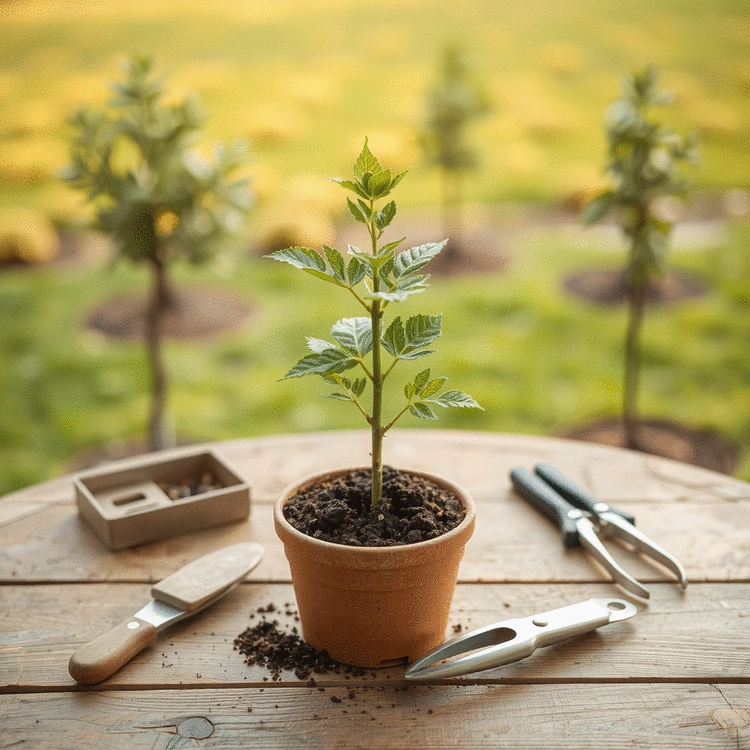
Focus on proper planting, watering, and mulching techniques. Monitor for pests.
Continue watering and start light pruning to shape the tree.
Evaluate soil health and add organic matter if needed. Check for signs of stress.
Begin more targeted pruning and assess tree structure. Ensure adequate sunlight.
Prepare for the tree’s transition into maturity. Revise care practices based on growth.
Caring for young trees is an essential part of nurturing our environment. These tender plants are like children; they need guidance, support, and love to grow strong and healthy. At Deep Roots Journal, we believe that understanding the fundamentals of young tree care is the first step in cultivating a thriving natural habitat.
From proper establishment to recognizing the needs of different species, every detail matters! This article will guide you through the key aspects of young tree care, beginning with their importance and the various species you might encounter. Let's delve into these vital topics!
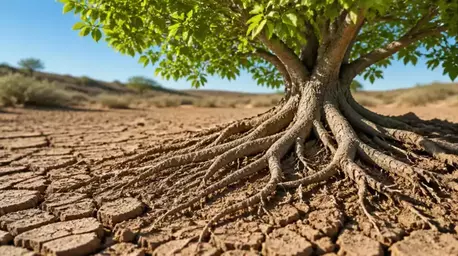
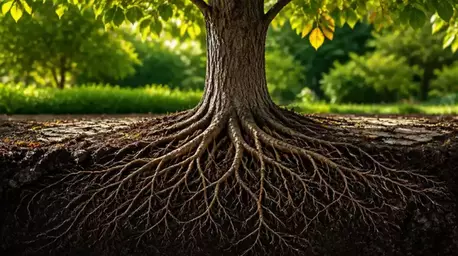
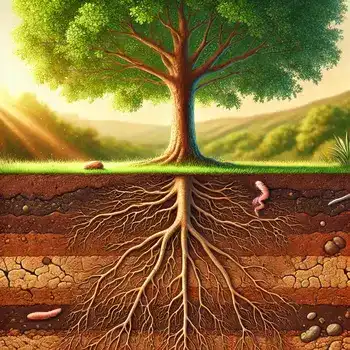
When planting young trees, proper establishment is crucial for their long-term success. Over the first few years of life, trees are developing their root systems, which will support them for decades. Neglecting this phase can lead to stunted growth or even tree failure. To learn more about how to support root growth, check out our article on encouraging healthy root development.
To ensure successful establishment, there are a few key factors to focus on:
By prioritizing these aspects, you lay the groundwork for a tree that can thrive in your landscape for years to come!
Not all young trees are created equal! Each species comes with its unique requirements regarding water, sunlight, and soil type. Understanding these needs will help you select the right trees for your garden, ensuring they flourish in their new environment.
Some popular young tree species and their basic needs include:
By knowing the specific needs of these and other species, you'll be better equipped to make informed choices that contribute to a healthier ecosystem! For more guidance on choosing the ideal trees for your specific conditions, explore our guide on selecting trees for your garden.
When selecting trees for your landscape, you may face the choice between native and non-native species. Native trees are adapted to local conditions and provide essential habitats for wildlife. In contrast, non-native trees may offer unique visual appeal or fast growth but could require more care and water.
Here are some reasons to consider planting native species:
By choosing wisely between native and non-native trees, you can contribute positively to your environment while enjoying a flourishing landscape!
Before planting your young trees, it’s essential to prepare both yourself and your landscape! This preparation involves selecting the right species based on various factors, including climate, soil, and hardiness zones. Let's dive into these considerations to ensure you set your young trees up for success from the start!
Did you know? Regularly checking the soil moisture level is just as important as watering your trees. Use a simple finger test: stick your finger about an inch into the soil. If it feels dry, it’s time to water. This technique helps you avoid overwatering, which can be just as harmful to young trees as underwatering!
Establishing young trees involves more than just planting; it requires a well-thought-out care schedule to ensure they thrive. A structured approach not only helps trees grow strong but also fosters a deeper connection between you and your plants. At Deep Roots Journal, I believe that having a year-by-year checklist can simplify this process and make it enjoyable!
When thinking about the first five years of a young tree's life, it’s essential to map out key activities. This includes everything from watering and mulching to monitoring health and making necessary adjustments. With a clear plan, you can easily track the progress of your trees and make informed decisions as they grow.
Here’s a handy checklist to guide you through the care of young trees over their first five years:
By following this checklist, you’ll create a nurturing environment that supports young trees as they establish their roots! Keeping track of these tasks can also be a fun challenge. For a detailed guide on managing your tree care schedule, visit our article on tree root care schedule guide.
If you're looking for a more organized approach, I encourage you to create or download a maintenance calendar. A simple calendar can help you visualize when each task needs to be completed. You might even consider marking specific dates for watering, pruning, and checking for pests. This additional layer of planning ensures you never miss an important care step.
Feel free to customize your calendar according to your unique landscape and the specific needs of your young trees. Remember, each tree species may have its own quirks, and personalizing your care regimen can make all the difference in their growth.
As passionate as we are about tree care, there are times when seeking professional help can be the best choice. Understanding when to call in the experts can save you time and stress, ensuring that your young trees receive the best care possible. By collaborating with professionals, you can learn valuable techniques that enhance your gardening skills.
Hiring an arborist or tree care expert may seem like a big step, but it can provide significant benefits. They often bring years of expertise and can assist with everything from advanced pruning techniques to diagnosing diseases. Plus, they can help you develop a long-term care plan that aligns with your goals for your landscape.
Here are some scenarios where professional help can be beneficial:
These considerations can help you make a confident decision about when to seek professional services. Remember, your trees deserve expert care, just like any other important element of your garden!
While hiring an expert can be an investment, it's important to weigh the costs against the benefits. Consider how much time and effort professional care can save you, not not to mention the peace of mind that comes with knowing your trees are in capable hands. You might find that investing in professional services pays off in the long run!
To truly evaluate cost-effectiveness, think about the potential value of your trees. Healthy trees can significantly increase property value, improve air quality, and create a more enjoyable outdoor space. An expert's insight can ensure that your young trees mature into strong, resilient specimens.
Don’t forget to check for local resources! Many communities offer extension services and forestry programs that provide valuable guidance. These organizations often host workshops, provide educational materials, and sometimes even offer free consultations. Taking advantage of these opportunities can enhance your understanding and capabilities as a caretaker of young trees.
Whether you seek help from professionals or opt to learn on your own, remember that every effort counts. Together, we can create vibrant ecosystems that support our trees and, ultimately, our planet! You can also find more essential tips and practices in our comprehensive article on essential tree care and landscaping.
The most crucial aspects include consistent watering, maintaining healthy soil with organic matter, and protecting young trees from pests, diseases, and environmental stressors. These factors support strong root development and long-term success.
Different species have unique requirements for water, sunlight, and soil type. For example, Maple trees prefer well-drained soil and full sun, Oak trees thrive in various soil types and need some shade, while Pine trees enjoy sandy soil and tolerate drought.
Native species are adapted to local conditions, support local ecosystems, and promote biodiversity. They are generally more resilient to local pests and diseases, and often require less maintenance and water, making them a sustainable choice.
A comprehensive care schedule involves a year-by-year checklist covering the first five years of a tree's life. Key activities include proper planting, consistent watering, mulching, light and targeted pruning, evaluating soil health, adding organic matter, monitoring for pests and diseases, and ensuring adequate sunlight.
It's appropriate to seek professional help if you're unsure about the health of your trees, need advanced pruning or training beyond your comfort level, are dealing with an overwhelming pest or disease problem, or want to ensure the long-term health and structural integrity of your trees.
As we wrap up this discussion, it's essential to recognize that the journey of nurturing young trees is both rewarding and impactful. By implementing the practices we've explored, you can contribute to a greener future! Remember, every small step you take helps foster the health of our environment.
To summarize, consider focusing on the following key practices:
These practices will support the establishment of your young trees and ensure a brighter future for your garden.
If you’re eager to dive deeper, I encourage you to explore downloadable resources available at Deep Roots Journal. We offer templates and guides tailored to help you succeed in your tree care journey. Together, we can cultivate a thriving landscape that benefits both our community and the environment! For tips on selecting the best tree species for your area, explore our guide on selecting trees for your area.
Here is a quick recap of the important points discussed in the article:
Rowan Thorne
Horticulturist. Environmental advocate. Nature enthusiast.
Rowan Thorne brings years of hands-on experience in botany and root care, sharing practical tips and expert insights to help you nurture a thriving natural environment. Follow along at DeepRootsJournal.com for fresh, inspiring content that deepens your connection to the ecosystem.
Discover the intricate world of tree species, soil health, and root care through our expert insights. We are passionate horticulturists dedicated to helping you cultivate a thriving natural environment.