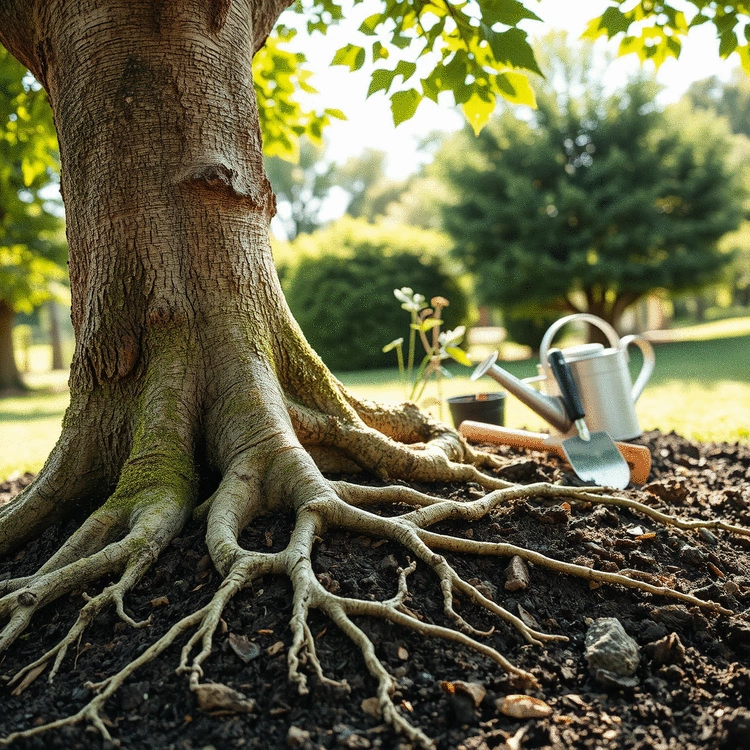

Importance of Soil Health
Healthy soil is foundational for strong roots. Ensure your soil is well-aerated and rich in organic matter.
2026-02-02
Have you ever wondered what lies beneath the surface of a thriving tree? The secrets to their health often reside in their roots, particularly in the fibrous networks that support their growth. Understanding these systems can transform the way we approach tree care and nurture our environment.
Understanding the vital role of fibrous roots is essential for maintaining tree health. Below are key aspects highlighted in the article:
Healthy soil is foundational for strong roots. Ensure your soil is well-aerated and rich in organic matter.
Regular, deep watering encourages roots to grow deeper, promoting stability and nutrient uptake.
Organic materials enhance soil structure and support a diverse microbial community that benefits roots.
Understanding the specific root needs of different tree species can help tailor care for optimal growth.
As we delve into the fascinating world of trees, one aspect stands out—the importance of fibrous root growth. These roots form a dense network that anchors trees securely in the soil while absorbing essential nutrients and water. Understanding how these roots develop is crucial for nurturing healthy trees, and it’s something I observe regularly in my work at Deep Roots Journal. I've seen firsthand how trees with well-established fibrous roots not only thrive but also demonstrate remarkable resilience in challenging environments. For more insights into comprehensive tree care, explore our resources on essential tree care and landscaping.
Fibrous roots play a vital role in a tree's overall health and stability. They are responsible for the absorption of water and nutrients, which are critical for growth. A robust fibrous root system can enhance nutrient uptake and improve a tree's ability to withstand environmental stressors such as drought or soil compaction.
Moreover, a well-developed fibrous root network can lead to less competition among plants for resources, creating a harmonious environment in the garden. This interconnectedness not only benefits the trees but also fosters a thriving ecosystem beneath the surface.
While nurturing fibrous roots is essential, several challenges can hinder their development. It's crucial to recognize these obstacles in order to effectively address them. Factors such as poor soil composition, inadequate moisture levels, and even improper planting techniques can negatively impact root growth.
These challenges remind me of the importance of soil health, which I frequently emphasize in my articles on Deep Roots Journal. Addressing these issues early on can make a world of difference for the trees in your care! You can learn more about how soil compaction affects roots and what you can do to mitigate it.
One of the most exciting aspects of root growth is the role of mycorrhizal fungi. These fascinating organisms form a symbiotic relationship with tree roots, greatly enhancing their ability to absorb water and nutrients. By connecting with the roots, mycorrhizal fungi expand the root system’s reach, tapping into resources that would otherwise remain out of reach.
Incorporating practices to support these fungi in your garden can create a thriving environment for root development. Simple actions like minimizing soil disturbance and using organic matter can help these beneficial microbes flourish, ultimately leading to healthier trees!
To further enhance fibrous root growth, consider implementing a technique known as "deep watering." This method encourages roots to grow deeper into the soil, making them more resilient during dry spells. Instead of frequent shallow watering, aim for less frequent but thorough watering sessions that saturate the soil to a greater depth. This not only promotes deeper root growth but also improves water retention in the soil, ultimately benefiting your trees’ health.
As we wrap up our discussion on the importance of fibrous root growth, it’s crucial to remember that the health of your trees starts below the surface. The roots of a tree are not just anchors; they are lifelines that provide essential nutrients and stability. By focusing on root health through proper care and management, we can ensure our trees flourish and contribute positively to our environment.
Here are some key takeaways to keep in mind:
In our journey through promoting healthy tree roots, we’ve explored several effective methods that can be implemented easily. From aeration techniques to organic soil amendments, each method plays a critical role in ensuring robust root systems. If you take these steps seriously, you will likely see significant improvements in your trees’ health.
Let’s summarize some of the practical methods we discussed:
As we strive for healthier trees, embracing sustainable practices in our tree care routines is vital. By focusing on methods that respect and enhance the natural environment, we can ensure that our trees thrive not just today but for generations to come. At Deep Roots Journal, we advocate for a holistic approach that integrates ecological principles into everyday gardening and horticulture. To understand more about these crucial underground processes, read our article on mycorrhizal fungi and root health.
Here are some frequently asked questions about fibrous root growth and tree health:
Now that we have explored the importance of nurturing fibrous roots and the various strategies to enhance their growth, what comes next? Taking action is crucial! By actively applying what we’ve discussed, you’ll not only benefit your trees but also enrich your entire garden ecosystem.
One of the best ways to ensure your trees receive the care they need is to consult with local horticultural experts. They can provide tailored advice specific to your region’s soil types, climate, and tree species. Whether you visit a local nursery or participate in community gardening workshops, these resources can offer invaluable guidance.
Monitoring the health of your trees' roots can seem daunting, but it’s essential for their long-term success. There are various tools and techniques available to help you assess root health effectively. By keeping an eye on your trees, you can spot issues early and take action before they escalate.
Finally, consider implementing companion planting and cover crops in your garden to promote a healthier soil environment. These practices can enhance soil nutrients, improve moisture retention, and even deter pests. At Deep Roots Journal, we believe these strategies can further enrich your gardening experience. For more information on how to use cover crops for soil health, be sure to read our detailed guide.
By taking these steps, you’ll cultivate not just robust trees but a thriving ecosystem. Remember, every action matters, and with a little effort, you can make a big difference in the health of your garden! If you're keen on cultivating stronger roots, understanding deep roots for stable trees is a great next step.
Here is a quick recap of the important points discussed in the article:
Rowan Thorne
Horticulturist. Environmental advocate. Nature enthusiast.
Rowan Thorne brings years of hands-on experience in botany and root care, sharing practical tips and expert insights to help you nurture a thriving natural environment. Follow along at DeepRootsJournal.com for fresh, inspiring content that deepens your connection to the ecosystem.
Discover the intricate world of tree species, soil health, and root care through our expert insights. We are passionate horticulturists dedicated to helping you cultivate a thriving natural environment.