
Trees for Privacy
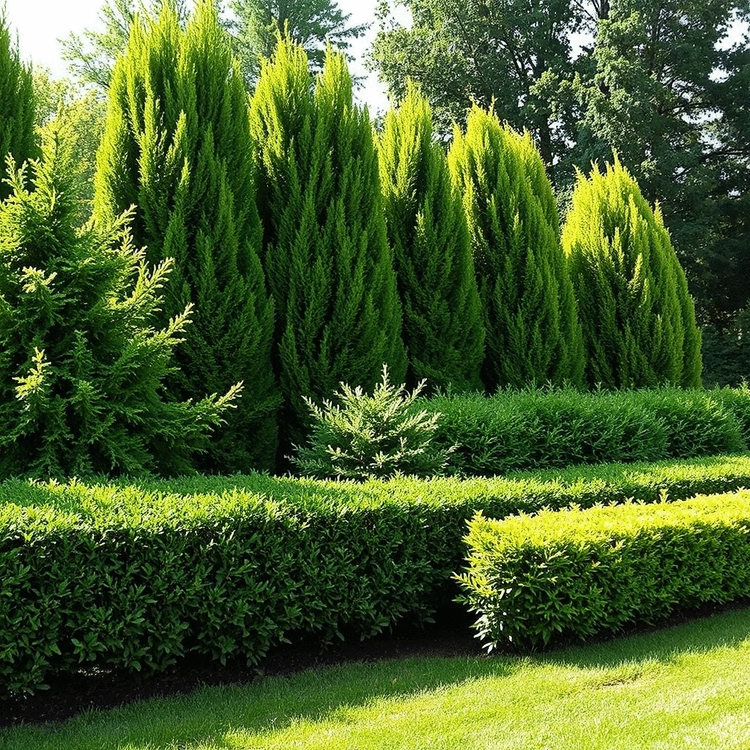
Select trees with dense foliage like Arborvitae, Cedars, and Leyland Cypress for optimal privacy year-round.
2026-02-14
In a world where privacy is increasingly hard to come by, understanding how to create your own sanctuary at home becomes essential. Discover the transformative power of privacy screens and hedges to elevate your outdoor experience.
Understanding how trees and hedges can enhance privacy in outdoor spaces involves several key elements. Below are the essential considerations for choosing the right plants. For more in-depth information on selecting trees for various purposes, you might find our guide on selecting trees for your garden particularly helpful.
Select trees with dense foliage like Arborvitae, Cedars, and Leyland Cypress for optimal privacy year-round.
Hedges offer soil protection, wildlife habitat, and noise reduction. They can be shaped for a tailored look.
Fast-growing species provide immediate results. Evaluate growth rates when selecting for privacy needs.
Consider your local climate to ensure selected species will thrive in your environment.
Privacy screens and hedges play a critical role in creating a sanctuary in our gardens and outdoor spaces. They not only provide a sense of security but also enhance the aesthetic appeal of our properties. Think of these green barriers as a protective hug around your garden, offering both shelter from prying eyes and a buffer against noise and wind!
Have you ever found yourself enjoying a peaceful moment in your backyard, only to be interrupted by the sights and sounds of the outside world? That’s where effective privacy screens come into play. By thoughtfully selecting trees and hedges, you can cultivate an environment that feels personal and serene, allowing you to reconnect with nature.
Trees serve as natural privacy screens, helping to block views and create defined spaces. Their tall, robust structures make them an excellent choice for establishing vertical boundaries in your yard. Plus, trees like the Eastern Red Cedar or Norway Spruce not only provide privacy but also bring additional benefits such as shade and wildlife habitat. Ensuring their longevity requires proper essential tree care and landscaping practices from the start.
When selecting trees for privacy, consider those that have dense foliage year-round. This ensures your screen remains effective even in winter months when other plants have lost their leaves. Some popular choices include:
Hedges provide a versatile option for enhancing privacy while adding charm to your landscape. Unlike trees, hedges can be easily shaped and maintained to fit your desired look, making them a favorite among gardeners. They can act as living walls, defining spaces and giving your garden a tailored appearance.
Additionally, hedges can serve multiple purposes beyond privacy. Consider the following advantages:
At Deep Roots Journal, we understand that the right combination of trees and hedges can transform your outdoor space into a peaceful retreat. When thoughtfully selected, they create not just a visual barrier but a thriving ecosystem that enhances your connection to the environment. For more tips on maintaining a healthy garden, check out our article on mulch for tree root health.
When planting privacy screens or hedges, consider incorporating a variety of plant species. Not only does this enhance visual interest, but it also promotes biodiversity, making your garden more resilient to pests and diseases. Mixing evergreen and deciduous plants can offer year-round coverage while providing seasonal beauty.
A1: For year-round privacy, trees with dense, evergreen foliage are ideal. Popular choices include Arborvitae, Cedars, and Leyland Cypress, as they maintain their leaves and provide consistent screening even in winter.
A2: Beyond privacy, hedges offer several benefits such as soil protection by preventing erosion, providing a valuable habitat for wildlife (like birds and beneficial insects), and acting as natural sound barriers to reduce noise from external sources.
A3: Key factors to consider include the plant's growth rate (for immediate vs. long-term privacy), its adaptability to your local climate, and the maintenance requirements. Also, decide if you prefer a dense visual barrier or a more open screen.
A4: Start by sketching your outdoor space to identify areas needing privacy. Determine whether your goal is noise reduction or visual blockage. Utilize interactive tools like zone finders and spacing calculators to select appropriate plants and determine optimal planting distances.
A5: Incorporating a variety of plant species in your privacy screen enhances visual appeal and promotes biodiversity. This makes your garden more resilient to pests and diseases and can provide year-round interest with a mix of evergreen and deciduous plants.
As we wrap up our exploration of privacy screens and hedges, it's clear that understanding your options is crucial. At Deep Roots Journal, we believe that choosing the right trees or hedges can transform your outdoor space into a more intimate and serene environment. Whether you prefer evergreen options for year-round coverage or colorful deciduous trees that change with the seasons, your choices can significantly enhance your privacy.
When selecting the best tree species for your privacy needs, consider factors such as growth rates, climate adaptability, and maintenance requirements. Here are some key takeaways to help guide your decision-making process:
Now that you've gathered valuable insights into the best species and strategies, it's time to plan your installation! Start by sketching out your space and determining where you need the most privacy. Are you looking to block out noise or simply create a visual barrier? These questions will help you define your goals.
Next, make use of interactive tools like zone finders and spacing calculators. These resources can assist you in selecting the right plants and figuring out how far apart to plant them. Planning is essential, and taking the time to get it right will pay off in the long run! For more detailed guidance on planting, consider exploring our article on watering techniques for tree roots to ensure your new plantings thrive.
At Deep Roots Journal, we value community engagement, and we want to hear from you! Have you installed a privacy screen or hedge recently? Share your experiences, and consider submitting before and after visuals to showcase your progress. This not only helps others envision their own projects but also creates a sense of camaraderie among fellow gardening enthusiasts.
We're also here to answer any questions you might have! Please don't hesitate to reach out and share your thoughts or concerns. Let’s foster a rich discussion about creating beautiful and functional outdoor spaces together! If you're interested in learning more about how different tree species contribute to the health of your soil, we recommend reading our post on tree species and soil health.
Here is a quick recap of the important points discussed in the article:
Rowan Thorne
Horticulturist. Environmental advocate. Nature enthusiast.
Rowan Thorne brings years of hands-on experience in botany and root care, sharing practical tips and expert insights to help you nurture a thriving natural environment. Follow along at DeepRootsJournal.com for fresh, inspiring content that deepens your connection to the ecosystem.
Discover the intricate world of tree species, soil health, and root care through our expert insights. We are passionate horticulturists dedicated to helping you cultivate a thriving natural environment.