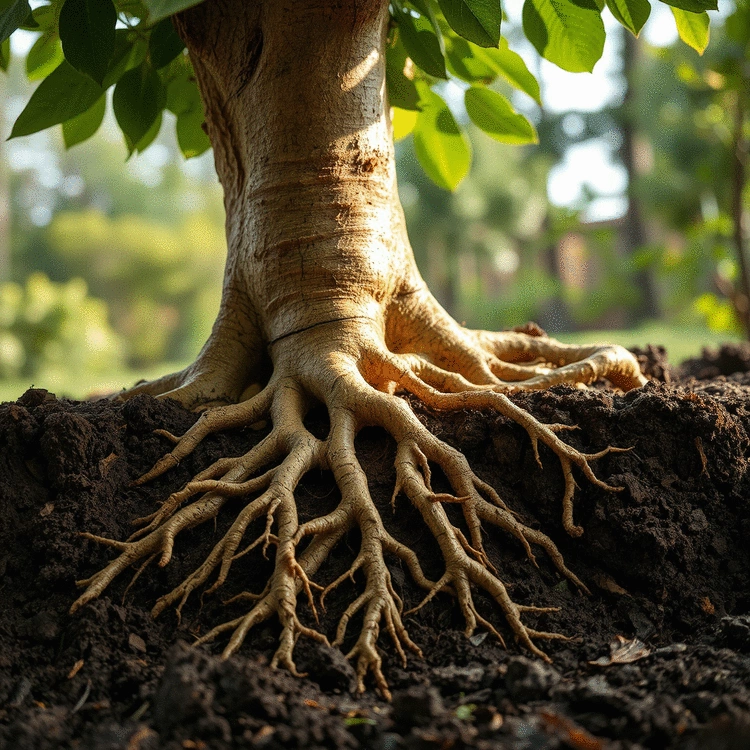

Identify Tree Species
Different species have unique needs, so knowing what you have is a must!
2025-12-13
Did you know that the health of a tree largely depends on the unseen world beneath the soil? While we often focus on the visible aspects like leaves and branches, it's the roots that truly determine a tree's survival and resilience. Understanding and nurturing these vital components can lead to thriving trees and a flourishing ecosystem.
Creating an effective root care schedule involves understanding various aspects crucial for tree health. For more detailed insights into overall tree maintenance, consider exploring essential tree care and landscaping practices.
Different species have unique needs, so knowing what you have is a must!
Understanding your soil type is essential for effective watering and fertilization.
Develop a strategy based on seasonal changes and deep watering techniques.
Proper mulch application can protect roots and enhance soil quality.
Regular soil testing helps ensure your trees receive the right nutrients.
Implementing aeration techniques alleviates soil compaction and promotes healthy root growth.
Schedule annual check-ups with a professional to ensure everything is in order.
When we think about the health of a tree, it's easy to focus on the leaves and branches. However, the roots play a crucial role in a tree's overall health! A well-structured root care schedule can significantly enhance a tree's strength and resilience, ensuring it thrives in its environment. Just like we need to take care of our health, trees need dedicated care for their roots to flourish.
By establishing a consistent root care schedule, we can anticipate the needs of our trees. This proactive approach not only supports their growth but also prevents many common problems down the line. After all, happy roots lead to healthier trees, and that’s what we’re all aiming for!
Root care is essential for numerous reasons. First and foremost, healthy roots anchor trees securely in the ground, helping them withstand strong winds and heavy rains. Additionally, roots are responsible for nutrient and water absorption, making them vital for the tree's growth and overall vitality.
To truly appreciate these benefits, we must understand that roots are the unseen heroes of our trees. When we care for them, we not only foster strong trees but also contribute to a vibrant ecosystem around us.
Neglecting root care can lead to a host of problems, affecting both the tree and its surrounding environment. One common issue is root rot, which can occur when soil is too compacted or when drainage is poor. This condition can lead to a decline in tree health, making them more susceptible to disease. To learn more about identifying and preventing such issues, read our guide on identifying and preventing root rot.
In my experience at Deep Roots Journal, I've seen how these issues not only endanger individual trees but also disrupt the balance of the surrounding ecosystem. This is why prioritizing root care is so essential for *any* gardener or tree enthusiast!
Many tree diseases have their roots—literally! Poor root health can be a gateway for diseases such as fungal infections and bacterial blights. When a tree's roots are compromised, it becomes more vulnerable to pathogens that can cause significant harm.
To combat these issues, regular monitoring and maintenance of root health is key. As someone who deeply values the interconnectedness of trees and soil, I believe that understanding these relationships can lead us to more effective care strategies.
Tree anatomy is fascinating, especially when we focus on root systems! Roots not only anchor trees but also come in various forms, such as taproots and fibrous roots. Each type serves a unique purpose in supporting the tree's survival. For more on how to encourage strong root foundation, explore encouraging healthy root development.
By understanding these systems, we can tailor our root care practices to fit the specific needs of each tree species. This knowledge empowers us to create a thriving environment that nurtures all aspects of tree health.
Did you know? Implementing a simple soil test before planting can dramatically improve your tree's root health. By understanding the pH and nutrient levels of your soil, you can make informed decisions about amendments and fertilizers, ensuring your trees get the optimal conditions they need to thrive.
Taking care of your trees' roots is vital for their overall health and longevity. At Deep Roots Journal, I believe that understanding the steps involved in root care can significantly enhance your gardening experience. From assessing your trees' needs to developing a detailed watering strategy, each step plays a crucial role in nurturing your trees. So, let’s break down the essential steps to create a solid root care schedule!
When constructing your root care schedule, consider these fundamental aspects:
By following these takeaways, you can create a practical root care schedule that encourages resilience in your trees. Remember, consistent care nurtures the life that thrives beneath the soil!
Engaging with your tree care routine not only helps in maintaining their health but also enhances your connection to nature. I’ve often found that spending time nurturing trees brings a rewarding sense of fulfillment. Let's explore how you can take action in your care practices!
Establishing a regular maintenance routine for your trees offers countless benefits:
These benefits are just a few reasons to remain committed to your tree care routine. You'll find that the time and effort you invest will pay off in various ways!
While self-guided care is rewarding, reaching out to a certified arborist can provide you with invaluable expertise. Here’s when to consider professional help:
Trusting in expertise not only enhances your care routine but also fosters a thriving environment for your trees.
Urban forestry plays a critical role in maintaining tree health in populated areas. As more people engage in gardening, the importance of urban trees becomes increasingly evident. A few key points to consider include:
Embracing urban forestry initiatives not only enriches your gardening experience but also contributes to a healthier environment for everyone. So let’s get involved and make a positive impact together! For guidance on choosing the right trees for your specific environment, see our article on selecting trees for your area.
Here is a quick recap of the important points discussed in the article:
Rowan Thorne
Horticulturist. Environmental advocate. Nature enthusiast.
Rowan Thorne brings years of hands-on experience in botany and root care, sharing practical tips and expert insights to help you nurture a thriving natural environment. Follow along at DeepRootsJournal.com for fresh, inspiring content that deepens your connection to the ecosystem.
Discover the intricate world of tree species, soil health, and root care through our expert insights. We are passionate horticulturists dedicated to helping you cultivate a thriving natural environment.