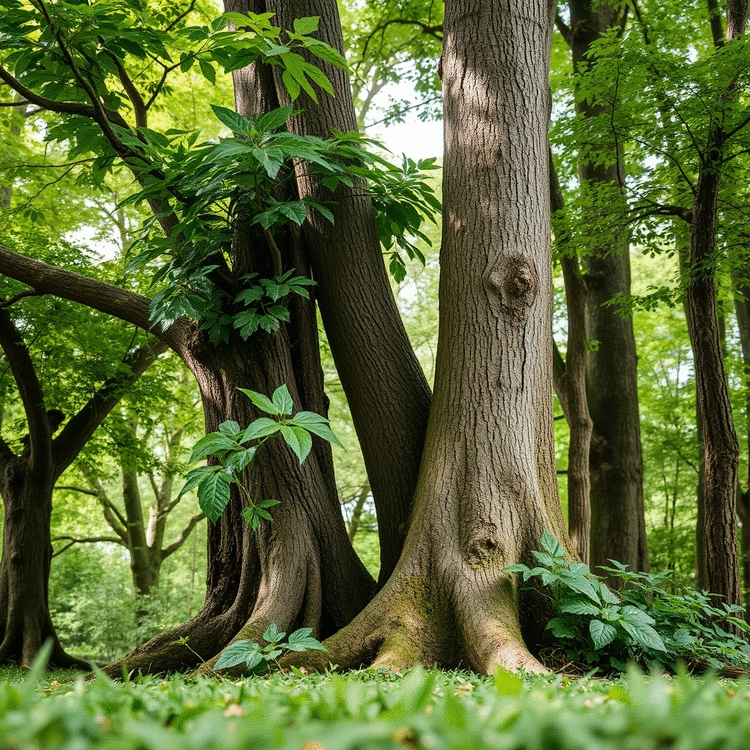

Birch
Known for its anti-inflammatory properties, birch bark is used in teas and poultices.
2025-12-31
Did you know that many ancient cultures viewed trees as sacred beings, intricately tied to their health and well-being? The healing properties of medicinal trees have been harnessed for centuries, providing insights that are as relevant today as they were in the past. As we delve deeper, we uncover a treasure trove of knowledge waiting to enhance our understanding of natural medicine.
This visual highlights key medicinal tree species and their traditional uses across various cultures.
Known for its anti-inflammatory properties, birch bark is used in teas and poultices.
Often used in purification rituals, cedar smoke is believed to alleviate respiratory issues.
Revered in Ayurveda, neem leaves and oil are used for their antibacterial and antiviral effects.
Valued in TCM for its cognitive benefits, particularly in improving memory.
Utilized by various cultures for pain relief due to its salicin content.
Used in rituals and healing practices across multiple cultures for its calming properties.
Medicinal trees have played a crucial role in various cultures throughout history, serving as a source of healing and spiritual significance. From ancient times, communities have utilized the properties of specific tree species for treating ailments and promoting wellness. For instance, the bark of the willow tree has been used for centuries to relieve pain, while the leaves of eucalyptus have become a staple in treating respiratory problems. As we explore these connections, it’s fascinating to see how traditions and practices have emerged around the use of trees in medicine. For more insights into how to care for these vital natural resources, consider reading about essential tree care and landscaping.
The integration of tree species into traditional medicine is not just historical; it’s a living practice that continues today. Many cultures have developed rich traditions that center around the medicinal qualities of various trees. By understanding these practices, we not only gain insight into the healing arts but also appreciate the deep-rooted relationships communities have with their natural surroundings. Have you ever wondered how a particular tree might enhance your health or well-being? Exploring these connections can be both enlightening and empowering!
Throughout history, numerous cultures have turned to trees for healing. In many Indigenous cultures, plants are viewed as sacred, and tree species often hold specific roles in traditional healing practices. For example, the Native American tradition incorporates various trees like the birch and cedar, using their bark and leaves for different medicinal purposes. Similarly, in Ayurveda, the ancient Indian system of medicine, trees like neem are celebrated for their numerous health benefits. Understanding these traditional uses can also inform modern practices, much like learning about selecting trees for your area helps in thoughtful planting.
Here’s a brief look at some tree species and their traditional uses:
Ethnobotany reveals the intricate ways in which cultures interact with plants, particularly trees, to foster health and well-being. For instance, in Traditional Chinese Medicine (TCM), trees play a vital role in treatment regimens. The ginkgo tree, considered a symbol of longevity, is often used for cognitive health and blood circulation. Today, its leaves are widely recognized for their potential benefits in improving memory. This deep connection between culture and botanical knowledge is also evident when we consider native trees for sustainable landscapes.
Here are some notable examples of tree species used in different cultural practices:
Here's a brief recap of the key points discussed so far:
As we reflect on the profound connections between medicinal trees and our health, it's clear that understanding these natural wonders is essential. The variety of tree species, along with their rich histories and cultural importance, highlights their valuable contributions to modern health practices. From ancient remedies to contemporary herbal treatments, these trees offer us pathways to better well-being.
Incorporating medicinal trees into our health routines isn't just about using their parts for healing; it's about embracing their stories and the wisdom they carry through generations. At Deep Roots Journal, we believe that every tree has something to teach us. By learning about their properties and applications, we can make informed choices that honor the tradition while benefiting our health.
As you embark on this journey of exploring medicinal trees, I encourage you to do so with curiosity and responsibility. Take the time to learn about each species, their uses, and their historical significance. Remember, knowledge is power—especially when it comes to utilizing nature's gifts effectively and safely.
Be mindful of the impacts on the environment when sourcing these trees for personal use. Sustainable practices not only preserve our natural resources but also ensure that future generations can benefit from these incredible plants. So, let’s cultivate a deeper appreciation for the trees around us, exploring their potential while respecting their place in our ecosystems. This respect for nature extends to understanding how to best care for their foundational elements, such as through identifying and preventing root rot.
To enhance your understanding and engagement with medicinal trees, I've compiled answers to some commonly asked questions. These insights can help guide your journey into the fascinating world of herbal medicine.
Embracing the wisdom of medicinal trees and understanding their roles can lead us to a healthier future. Let’s continue this journey together, nurturing our relationship with both nature and our health!
Here’s a quick recap of the important points discussed in the article:
Rowan Thorne
Horticulturist. Environmental advocate. Nature enthusiast.
Rowan Thorne brings years of hands-on experience in botany and root care, sharing practical tips and expert insights to help you nurture a thriving natural environment. Follow along at DeepRootsJournal.com for fresh, inspiring content that deepens your connection to the ecosystem.
Discover the intricate world of tree species, soil health, and root care through our expert insights. We are passionate horticulturists dedicated to helping you cultivate a thriving natural environment.