



- Tree Species
- Jun 22
2026-01-22
Imagine walking through your garden and discovering a hidden world beneath the soil, teeming with life. Root pests and diseases are lurking, threatening the health of your plants. Understanding how to combat these invisible foes not only protects your garden but also enhances your gardening skills. Let’s dive into the essential strategies for maintaining a thriving, organic garden.
Understanding the effects of root pests and diseases is crucial for maintaining plant health. Below are the key impacts side-by-side:
As I wander through my garden, I often marvel at the hidden battles that take place beneath the surface. Root pests and diseases can significantly impact plant health, causing stress and reducing crop yields if not managed effectively. At Deep Roots Journal, we believe that understanding these threats is the first step towards cultivating a thriving environment, one that respects the harmony of nature while ensuring our plants flourish. For more insights on general care, explore our guide on essential tree care and landscaping.
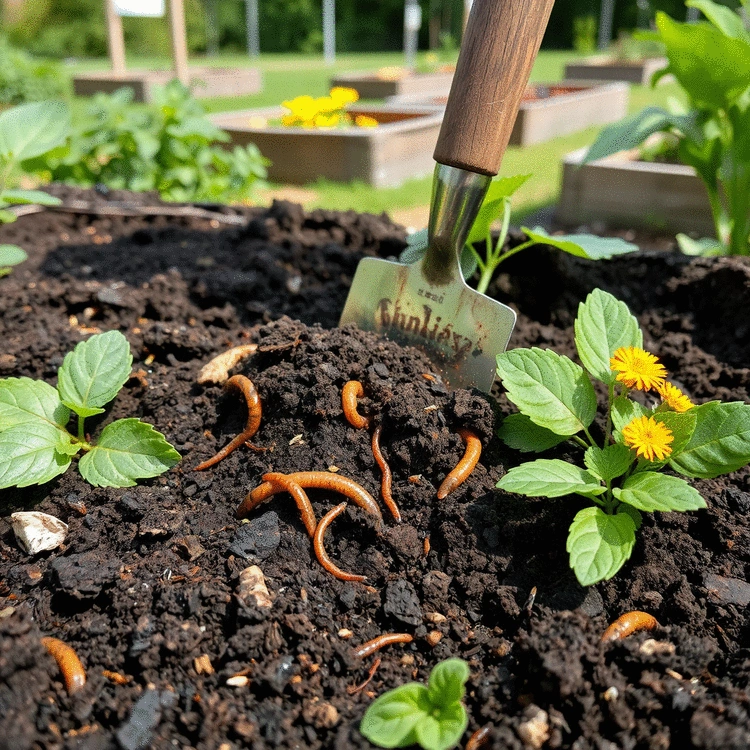
Root pests are tiny creatures that often go unnoticed, yet their presence can wreak havoc on our beloved plants. These pests feed on the roots, depriving plants of essential nutrients and water, which can lead to a decline in overall health. Common culprits include nematodes, root weevils, and grubs. Recognizing these invaders early is crucial for effective management!
Identifying root pests can be tricky, but knowing what to look for makes it easier. Here’s a quick list of common root pests and their symptoms:
Paying close attention to these signs can help you intervene before it’s too late. Remember, the earlier you catch these pests, the better your chances of saving your plants!
If left unmanaged, root pests can lead to serious consequences for your plants and garden. The impact may include:
As a devoted horticulturist, I’ve seen firsthand how these pests can undermine even the best gardening efforts. Taking a proactive approach is essential for maintaining healthy crops! For more information on preventing common plant issues, check out our article on identifying and treating tree root diseases.
Just as important as pests are root diseases, which can silently affect your plants. These diseases often stem from poor soil health, environmental factors, or even watering practices. Being able to recognize the symptoms of root diseases can save your plants from severe consequences down the line.
Here are some common types of root diseases to watch out for:
Understanding these diseases can help you take preventive measures and react quickly when needed!
Being able to visually identify root disease symptoms can be a game changer. Look for these signs:
Utilizing a visual guide can help you make faster decisions, keeping your garden healthy and vibrant!
Soil health is the foundation of a resilient garden. When we nurture our soil, we create an environment that supports healthy root systems and minimizes pests and diseases. At Deep Roots Journal, we emphasize the importance of a balanced soil microbiome in pest management. It's about harmony, not just intervention!
The soil microbiome consists of bacteria, fungi, and other microorganisms that play a crucial role in nutrient cycling and plant health. A diverse microbiome can help:
Investing in your soil’s health is investing in your garden’s future!
Incorporating organic amendments can significantly boost soil health. Consider these options:
These amendments work together to create a thriving ecosystem, supporting both your plants and the beneficial organisms around them. To learn more about improving soil structure, read our article on aerating soil for healthy roots.
Composting is one of the best ways to enrich your soil while promoting microbial activity. By creating a compost pile, you provide food for your soil’s beneficial organisms. As these microbes break down organic matter, they not only improve soil fertility but also create a habitat for other helpful creatures!
At Deep Roots Journal, I often encourage fellow gardeners to embrace composting as a vital practice. It’s rewarding, enriching, and a fantastic way to give back to your garden.
Cultural practices are essential for preventing root pests and diseases before they become a problem. By implementing simple yet effective strategies, you can create a healthy garden environment that reduces risk and encourages plant vitality.
Maintaining garden hygiene is vital in preventing pest and disease outbreaks. Here are some best practices:
By prioritizing cleanliness, you can create a less hospitable environment for pests and diseases!
Crop rotation is a simple yet effective cultural practice that can disrupt pest and disease cycles. By alternating the types of crops planted in a specific area, you can:
This practice is not only beneficial for your plants but also for the overall health of your garden ecosystem!
Companion planting involves pairing plants that can benefit each other in various ways, including pest control. Some great pairings include:
This method encourages a balanced ecosystem and can lead to healthier plants all around!
Here's a brief recap of the key points discussed so far:
Common root pests include nematodes, root weevils, and grubs. They feed on plant roots, depriving them of essential nutrients and water, which leads to stunted growth, decreased yields, and increased susceptibility to other diseases.
Symptoms of root diseases include wilting despite adequate water, unexpected yellowing or browning of leaves, and a foul odor indicating root rot. Conditions like damping-off cause seedlings to collapse, often due to fungal pathogens.
Soil health is fundamental. A diverse soil microbiome, rich in beneficial bacteria and fungi, helps suppress pathogens, enhances nutrient availability for plants, and improves soil structure. Organic amendments like compost and mulch are key to nurturing this microbiome.
Key cultural practices include maintaining garden hygiene (removing debris, disinfecting tools), practicing crop rotation to disrupt pest cycles, and companion planting with plants like marigolds or basil to deter pests naturally.
Effective organic treatments include using biological controls (beneficial insects), neem oil (which disrupts pest life cycles and acts as a fungicide), and diatomaceous earth (a natural powder that acts as a physical barrier against crawling insects).
Monitoring your garden is like keeping an eye on a precious treasure. To protect your plants from root pests and diseases, you need to be proactive. Understanding effective monitoring and early detection techniques can make a significant difference in maintaining a healthy garden!
One of the best approaches is implementing Integrated Pest Management (IPM) strategies. IPM is a holistic way to manage pests while minimizing harm to the environment. By regularly checking your plants and soil, you can spot problems before they escalate, making this a vital part of your gardening toolkit.
Creating a successful IPM plan starts with a solid monitoring schedule. By establishing a routine for checking your plants, you can catch any signs of pests or diseases early on.
Additionally, using diagnostic decision trees can help you identify specific issues. These visual tools guide you through identifying symptoms and determining the appropriate steps for treatment. Having access to these resources enhances your ability to take action swiftly.
To be effective in your pest management, a monitoring schedule is essential. Here are some steps to develop a practical plan:
With a well-planned schedule, you can stay ahead of potential issues in your garden. Remember, consistent observation leads to greater success!
When you do spot pests or diseases, it’s time to act! Opting for organic treatments not only protects your plants but also supports the environment. There are various effective methods to consider.
It's also wise to explore organic-approved inputs such as insecticidal soaps and oils. These options are safe for both your plants and the environment, minimizing any adverse effects while still providing powerful treatment against pests. For more on natural solutions, consider how natural fertilizers can enhance roots.
Using neem oil can be a game changer in your garden! It disrupts the lifecycle of pests, keeping them at bay. Here’s how to use it effectively:
Diatomaceous earth is another fantastic tool in your organic garden toolkit. When sprinkled around plants, it acts like a barrier against pests without harming beneficial insects!
Having seasonal action plans is essential for effective pest management. With each season comes unique challenges and opportunities for your garden. Let’s break down what you can do in the spring and fall to keep your soil and plants healthy!
As spring approaches, it’s time to gear up for planting! Preparing your garden now can set the stage for a bountiful harvest. Here are some strategies to consider:
Implementing these practices can greatly reduce the risk of pest problems as the growing season begins.
Fall is not just about harvesting; it’s also a crucial time for prepping your garden for the winter months. Consider these action steps:
By taking these steps, you create a strong foundation for a healthy garden next spring. As I always emphasize at Deep Roots Journal, the journey to a thriving garden begins with the soil!
Here is a quick recap of the important points discussed in the article:
Rowan Thorne
Horticulturist. Environmental advocate. Nature enthusiast.
Rowan Thorne brings years of hands-on experience in botany and root care, sharing practical tips and expert insights to help you nurture a thriving natural environment. Follow along at DeepRootsJournal.com for fresh, inspiring content that deepens your connection to the ecosystem.
Discover the intricate world of tree species, soil health, and root care through our expert insights. We are passionate horticulturists dedicated to helping you cultivate a thriving natural environment.