
Bark Beetles
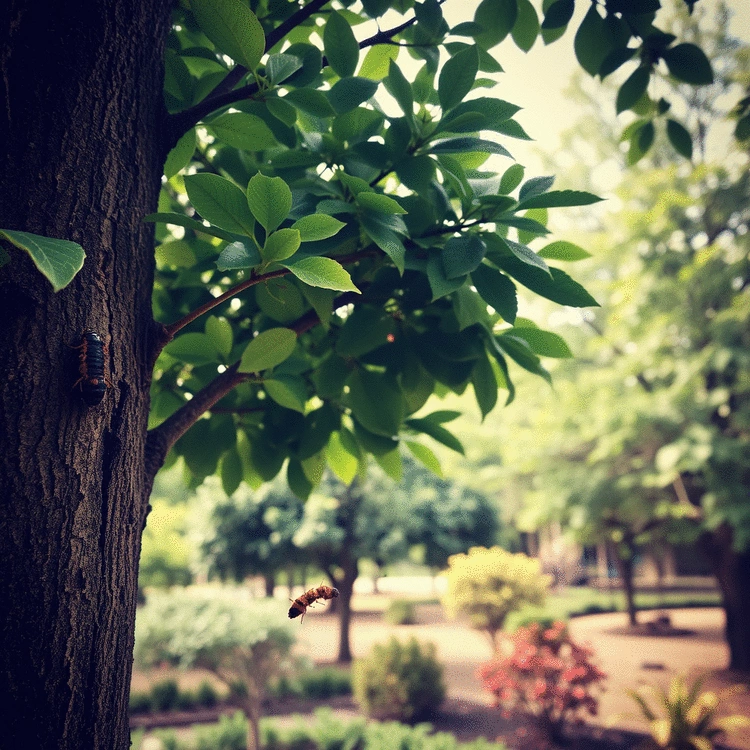
These pests bore into the bark, disrupting nutrient transport and potentially leading to tree death.
2026-01-13
As tree enthusiasts, we often overlook the tiny threats that can wreak havoc on our beloved greenery. Did you know that a single pest can compromise the health of an entire tree species? Staying informed is crucial for proper tree care!
Understanding the impact of various tree pests is essential for maintaining tree health. Below is a visual representation of some common tree pests and their effects. For more comprehensive insights into tree health, consider our guide on essential tree care and landscaping.
These pests bore into the bark, disrupting nutrient transport and potentially leading to tree death.
Larvae feed on the leaf tissue, creating unsightly trails and affecting photosynthesis.
These tiny pests suck sap from trees, weakening them over time, especially in dry conditions.
These pests cluster on new growth and secrete honeydew, attracting other pests.
Tree pests are a significant concern for anyone who loves gardening and caring for trees. They don't just damage the leaves and branches; they can also impact the overall health of the tree. At Deep Roots Journal, we believe that understanding these pests is the first step in protecting our green companions!
As we dive into the world of tree pests, let’s explore how they can affect various species. Being aware of these nuisances helps us formulate a plan to keep our trees thriving. After all, a healthy tree is a resilient tree, and knowledge empowers us to act before damage occurs!
There are numerous pests that can affect trees, so knowing what to look for is crucial. Here’s a list of some common tree pests:
Understanding these pests allows us to be vigilant and proactive in our care routines. Each type of tree may have specific vulnerabilities that we can learn about to better protect them, for instance, by encouraging healthy root development.
Insect pests can wreak havoc on tree health. For example, bark beetles can create tunnels that disrupt the flow of nutrients in a tree. Similarly, leaf miners damage the leaves, which are essential for photosynthesis. It’s fascinating—and concerning—to see how such small creatures can cause extensive harm!
Effective monitoring is key to catching these pests early. Regularly inspecting your trees can help you spot signs of infestation before it’s too late. Stay observant during your garden walk, and you might discover these pests lingering in the shadows!
Different tree species have unique vulnerabilities to pests. For instance, oaks are susceptible to oak wilt, a disease caused by a fungus that can be spread by beetles. Similarly, pines are often targeted by pine bark beetles, which can lead to tree death if not managed. Understanding these specifics can be a game-changer!
By knowing which pests threaten your trees, you can focus your monitoring efforts. This tailored approach will enhance your gardening experience while safeguarding your plants.
Invasive species pose a significant threat to our native trees. These pests often arrive without natural predators, allowing them to proliferate rapidly. Examples include the Emerald Ash Borer and the Asian Longhorned Beetle, both of which can devastate forest ecosystems.
It's vital to stay informed about local invasive species. By sharing knowledge and resources within our gardening communities, like through Deep Roots Journal, we can work together to minimize their impact and protect our beloved trees.
Fungal diseases can be just as damaging as insect pests. For instance, powdery mildew thrives in humid conditions and can weaken the tree's growth. Additionally, root rot caused by various fungi can lead to tree decline or death.
Monitoring your trees for signs of these diseases is crucial. Look for discolored leaves or unusual growth patterns, as these can indicate deeper issues. Remember, early detection can save your tree!
Here's a brief recap of the key points discussed so far:
When it comes to tree pest management, using chemical controls can be a tricky balance. You want to protect your trees without harming the beneficial insects that also call your garden home. Understanding the right moment to introduce these controls can make a significant difference in maintaining the health of your trees.
Before applying any type of chemical treatment, it’s essential to assess the situation carefully. Look for clear signs of pest infestations, such as holes in leaves, sticky residues, or visible pests on the bark. If your trees show these signs, it might be time to consider targeted insecticides. However, I always recommend exploring other options first, as sometimes natural methods can do the trick!
Not every pest issue requires a chemical approach; however, when the situation calls for it, understanding the types of insecticides available is crucial. Here are a few key points to consider:
If you've determined that insecticides are necessary, it's useful to know the types of chemical controls available. Some common options include:
When I think about chemical controls, I often start with horticultural oils. They're effective against soft-bodied pests like aphids and mites and are relatively safe for the environment. On the other hand, injections can be a lifesaver for trees suffering from severe infestations. This method allows for precise treatment, ensuring that only the affected tree receives help.
Before applying any chemical treatment, it's essential to follow best practices to minimize any potential harm. For example, always apply chemicals during calm weather to prevent drift and ensure maximum effectiveness.
Here are some best practices I like to follow when using chemical treatments:
Being methodical in your approach helps ensure you’re making the best decisions for your trees' health while also protecting other garden inhabitants. It's also important to consider the impact of soil pH on root growth, which can influence a tree's overall resilience.
If you prefer a more natural approach, consider using organic pesticides like neem oil and insecticidal soap. These options are often less harmful to beneficial insects and can be quite effective. Neem oil disrupts the life cycle of pests, while insecticidal soap works by suffocating them.
Always apply these treatments in the early morning or late evening to minimize the risk to pollinators. Using organic options not only supports your trees but also aligns with sustainable practices that we advocate here at Deep Roots Journal.
Once you've implemented your pest management strategy, it's important to continue monitoring the health of your trees. Regular assessments can help you identify if your approach is working or if adjustments are necessary. Keeping a close eye on your trees is essential to ensure they thrive!
Monitoring your trees involves a few key steps:
By tracking these factors, you can better understand your trees' needs and adapt your pest management strategies accordingly.
Every garden is unique, which means that the pest management strategies that work for one might not work for another. If you find certain methods are not yielding the desired outcomes, don’t hesitate to explore new solutions or adjust your techniques. Flexibility is key! You might even discover that certain pests become resistant to treatments over time, requiring a change in your approach. For more on maintaining overall tree vitality, check out our article on managing root care for trees.
Sometimes, despite our best efforts, we must admit that we need help. Knowing when to seek professional assistance can save your trees from serious damage. If infestations are overwhelming or you’re unsure of the best steps forward, an expert can provide guidance.
Here are some scenarios where consulting with a professional is advisable:
In these cases, professionals can offer targeted treatments and valuable insights that can make all the difference for your trees' health.
While DIY pest management can be cost-effective, it’s important to weigh the potential costs of professional services against the risks of inadequate treatment. Sometimes spending a little more initially can save you from losing a valuable tree in the long run. At Deep Roots Journal, we believe that investing in tree health is always worth it!
Here are some common questions about managing tree pests:
To wrap up, maintaining tree health requires a thoughtful approach to pest management. By implementing the best practices of Integrated Pest Management, you can foster a thriving environment for your trees. Remember, being proactive can often prevent many pest issues from becoming overwhelming. Another way to enhance tree resilience is by understanding stable root systems in trees.
Here’s a quick recap of what we’ve covered:
By following these principles, you can ensure your trees remain healthy and resilient in the face of pests.
Let’s keep the conversation going! I encourage you to share your experiences with tree pest management in the comments. What strategies have worked for you? If you have questions, feel free to ask! Together, we can create a vibrant community that values sustainable practices and promotes healthy trees for generations to come.
Here is a quick recap of the important points discussed in the article:
Rowan Thorne
Horticulturist. Environmental advocate. Nature enthusiast.
Rowan Thorne brings years of hands-on experience in botany and root care, sharing practical tips and expert insights to help you nurture a thriving natural environment. Follow along at DeepRootsJournal.com for fresh, inspiring content that deepens your connection to the ecosystem.
Discover the intricate world of tree species, soil health, and root care through our expert insights. We are passionate horticulturists dedicated to helping you cultivate a thriving natural environment.