
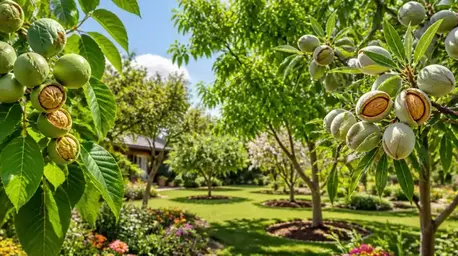


- Tree Species
- May 02
2026-11-09
Did you know that tree roots can extend far beyond a tree's canopy, posing significant challenges for your raised bed gardening? Understanding this relationship is crucial for maintaining a thriving garden. By recognizing the impact of tree roots, gardeners can create a harmonious environment that benefits both trees and plants, ensuring a fruitful gardening experience.
Understanding the relationship between tree roots and raised beds can significantly improve your gardening success. Below are crucial points to consider regarding their interaction and management strategies.
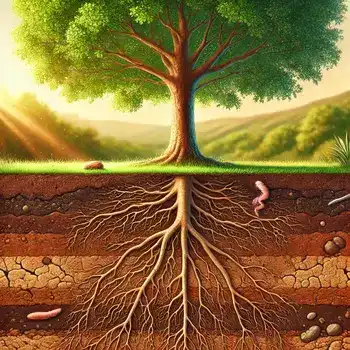
Roots can extend up to three times the width of a tree's canopy.
Fine roots absorb water and nutrients, leading to competition with plants.
Roots may disrupt the soil structure of your raised beds, affecting plant growth.
Choose tree varieties that are less invasive and regularly monitor soil moisture.
When it comes to gardening, one of the most misunderstood aspects is the relationship between tree roots and raised beds. Many gardeners find themselves excited to plant, only to discover that tree roots can pose significant challenges. Understanding how these roots interact with our raised beds is crucial for successful gardening and ensuring that both trees and plants thrive.
Tree roots are often extensive and can reach far beyond the tree's canopy. This means that even if your raised bed is a good distance away from the tree, roots may still invade the soil. They can compete for nutrients and water, potentially stunting the growth of your plants. As I’ve learned through my experiences at Deep Roots Journal, this interaction is something every gardener should be aware of, especially when considering enhancing tree root drainage.
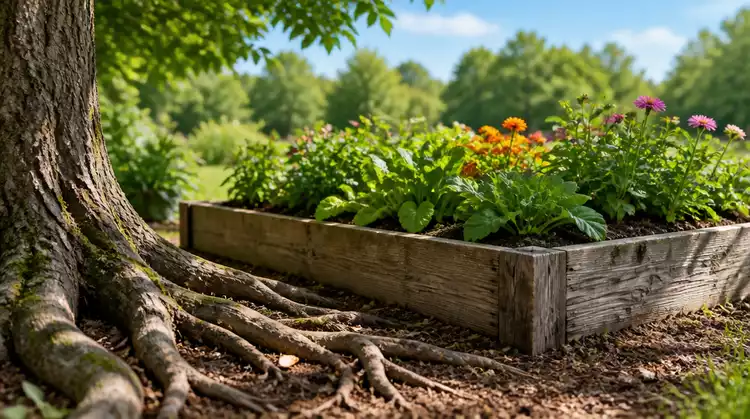
One of the first steps in managing your garden is recognizing how tree roots can affect your raised beds. Tree roots can be quite aggressive and may spread out horizontally, sometimes seeking water and nutrients from the raised bed’s soil. This means that if you have a raised bed positioned near a tree, you might notice that plants struggle to grow or become stressed.
Moreover, the depth of your raised beds can provide shelter for tree roots, allowing them to thrive in areas you'd expect your plants to flourish. Here are some key points to recognize the problem:
It's essential to balance the health of your trees with your gardening ambitions. Before you start planting, assess the risks involved. Healthy trees provide shade and beauty, but they also demand respect for their root systems. If the roots are compromised, it not only affects the tree but your garden too!
Here are some factors to consider when assessing these risks:
By carefully evaluating these aspects, you'll be well on your way to creating a harmonious garden that respects the needs of both trees and plants. Ultimately, understanding this balance will enhance your gardening experience, and with the right knowledge, we can cultivate thriving natural environments together. Happy gardening!
Here's a brief recap of the key points discussed so far:
As we delve deeper into the intricate dance between tree roots and raised bed gardening, it’s essential to highlight a few key takeaways that can make a significant difference in your gardening journey. Understanding how tree roots impact raised beds will equip you with the knowledge needed to cultivate a thriving natural environment. This balance is vital for both tree health and your garden's productivity!
Here are some crucial points to remember:
Finding a balance between tree health and the needs of your raised bed garden is key. Trees provide shade, improve air quality, and support local wildlife, while raised beds offer a controlled environment for your plants to thrive. However, their root systems can compete for nutrients and water, potentially affecting both tree vitality and garden growth.
To achieve harmony, consider the following strategies:
Different tree species have unique root systems that can significantly impact their interaction with raised garden beds. For example, some trees have shallow, wide-spreading roots, while others may develop deeper taproots. Understanding these differences can help you make informed decisions about planting locations and garden designs, and is a key part of selecting trees for your garden.
Here are a few common tree species and their root characteristics:
At Deep Roots Journal, we believe that sharing experiences can enrich our gardening practices and inspire new ideas. Have you ever faced challenges with tree roots in your raised beds? I’d love to hear your stories and the strategies you’ve employed to manage these situations effectively. Together, we can build a community of knowledgeable gardeners!
Your insights can help fellow gardeners navigate the complexities of managing tree roots near raised beds. Have you tried specific techniques or products that worked particularly well? Please share your successes, failures, and everything in between!
To further support our community, I’ve compiled a few frequently asked questions that can provide clarity on common concerns:
To further protect your garden, learning about protecting tree roots in construction is also beneficial.
Here is a quick recap of the important points discussed in the article:
Rowan Thorne
Horticulturist. Environmental advocate. Nature enthusiast.
Rowan Thorne brings years of hands-on experience in botany and root care, sharing practical tips and expert insights to help you nurture a thriving natural environment. Follow along at DeepRootsJournal.com for fresh, inspiring content that deepens your connection to the ecosystem.
Discover the intricate world of tree species, soil health, and root care through our expert insights. We are passionate horticulturists dedicated to helping you cultivate a thriving natural environment.