
Sustainable Food Source
Provides a long-term food source for families with minimal maintenance.
2026-10-29
Are you ready to transform your garden into a lush, edible paradise? Incorporating nut-bearing trees not only enhances the beauty of your landscape but also provides a sustainable source of food for you and your family. Let's explore the many benefits and essential considerations of planting these remarkable trees.
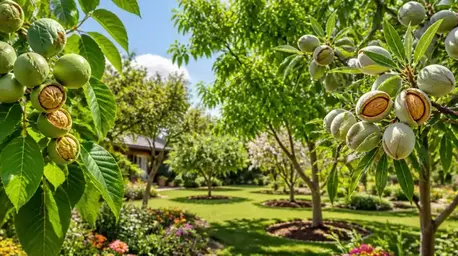
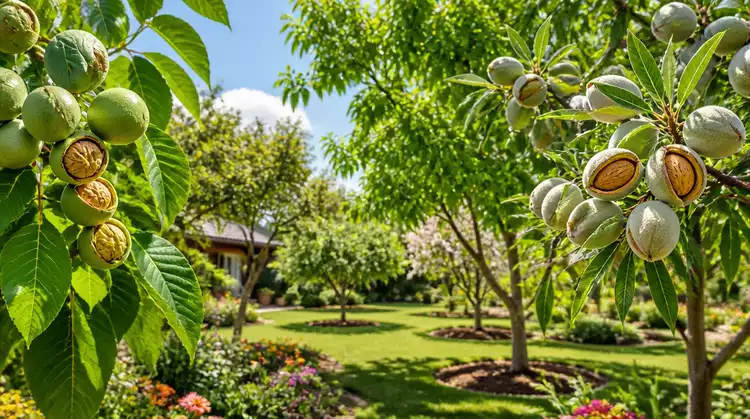
Nut-bearing trees offer numerous advantages for home landscapes. Below are some of the standout benefits presented in a visual format. If you're looking for ways to enhance your garden's productivity and aesthetic appeal, consider selecting trees for your garden that provide both beauty and sustenance.
Provides a long-term food source for families with minimal maintenance.
Once established, these trees require less ongoing care compared to other fruiting plants.
Supports local ecosystems and attracts pollinators, benefiting overall garden health.
Provides beauty and shade throughout the seasons, enriching garden landscapes.
When I think about enhancing my garden, nut-bearing trees come to mind as a truly rewarding choice. Not only do they provide delicious, nutritious nuts, but they also add beauty and character to our landscapes. If you’re considering making your garden more edible and sustainable, nut trees like pecans or walnuts can be an excellent addition!
Incorporating nut-bearing trees into your garden can help create a lush and vibrant environment. These trees aren't just functional; they enrich the soil, promote biodiversity, and attract beneficial wildlife. By adding these trees to your landscape, you invest in a greener future while enjoying the delightful harvest of nuts.
Nut trees are valuable players in edible landscaping. They offer a source of food while also providing shade and beauty throughout the seasons. Imagine enjoying the shade of a sprawling pecan tree on a hot summer day, with the promise of tasty nuts come autumn!
Moreover, incorporating nut trees into your landscape supports local ecosystems. Their flowers attract pollinators like bees, which are essential for a healthy garden. So, when you plant these trees, you're not just growing food; you're also nurturing the natural world around you. For more insights on general tree care, explore essential tree care and landscaping practices.
By adding nut-bearing trees to your garden, you're making a choice that offers a variety of benefits. These trees can provide a sustainable food source for you and your family while also promoting environmental health. For instance, pecan trees can yield nuts for years, giving you a continual supply!
Another key benefit is that nut trees often require less maintenance than other fruiting plants. Once established, they can thrive with minimal care, making them a fantastic option for busy gardeners. Imagine planting a few nut trees and watching them flourish over time!
Nut-bearing trees play a vital role in enhancing sustainability in our landscapes. They not only provide food but also contribute to soil health and overall ecosystem balance. When you plant a nut tree, you’re fostering a home for various wildlife, creating a lively and interconnected garden.
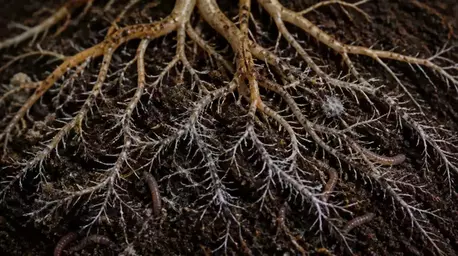
Moreover, these trees help improve soil quality through their leaf litter, which breaks down and enriches the earth. This natural process boosts the health of your garden, allowing your plants to thrive. It's a beautiful cycle of giving back to the earth while enjoying your own harvest!
Did you know? When planting nut-bearing trees, consider companion planting to enhance growth and pest resistance. For instance, planting clover or other legumes nearby can improve soil nitrogen levels, benefiting your nut trees while attracting pollinators. This not only boosts your trees' health but also enriches your garden ecosystem!
When it comes to growing nut-bearing trees, understanding the right growth conditions is crucial. These trees may have specific requirements, such as sunlight, soil type, and moisture levels, which can vary greatly by species. By providing the right environment, you're setting the stage for a fruitful harvest and a thriving landscape!
In my experience, taking the time to learn about each species can enhance your gardening success. For instance, while some nut trees thrive in full sun, others may prefer partial shade. This knowledge helps ensure that your nut trees not only grow but flourish, contributing to a beautiful and productive home landscape.
When planting nut trees, it's important to consider their spacing and canopy management. Proper spacing allows for air circulation and sunlight penetration, which are vital for healthy growth. Below are some essential tips for optimal tree spacing:
Another key aspect of care involves pest and disease management. Each species has its vulnerabilities, so being aware can help you protect your investment:
Before planting nut-bearing trees, it's essential to evaluate your property size and choose accordingly. Not all trees fit every landscape, so understanding your available space will guide your decisions. For instance, if you have a cozy backyard, selecting compact varieties will be key to maintaining balance. To learn more about specific types, refer to our guide on trees for small urban gardens.
At Deep Roots Journal, we recognize that informed decisions lead to flourishing gardens. So let’s dive into some suggestions tailored for different property sizes!
For small yards, you have several excellent options that won’t overwhelm your space. Here are some of my top picks:
On the other hand, larger properties can accommodate more diverse selections. Here are some trees worth considering:
Choosing the right nut trees also involves understanding your USDA zone. Different trees thrive in different climates, so it’s crucial to make selections based on local conditions. Here’s a quick guide for some popular nut-bearing trees:
Additionally, local cultivars can significantly enhance productivity in your landscape. Consider visiting local nurseries or consulting experts to discover the best options tailored to your area! For more detailed guidance, see our article on selecting trees for your area.
As you nurture your nut trees, engaging with them can lead to a deeper appreciation for your landscape. Understanding their needs will help you adapt your care over the years. Are you ready to take that step? Let’s explore some frequently asked questions to demystify the process!
One common query revolves around pollination compatibility. Many nut trees require cross-pollination to produce nuts effectively. Make sure to plant compatible species nearby. For example, planting at least two varieties of hazelnuts can boost your yield!
Maintenance also plays a significant role in the health of your nut trees. Regularly check for pests and diseases, and consider employing organic methods wherever possible. This approach aligns with our mission at Deep Roots Journal to promote sustainable practices.
Lastly, as you expand your knowledge, don’t forget about diverse nut species! Trees like oak and pine not only produce nuts but also add unique character to your landscape. Likewise, sweetgum and ginkgo trees offer versatility with their aesthetic appeal and functionality.
Taking time to appreciate these unique traits allows you to build a more enriching garden experience! So, let’s cherish these connections and make choices that benefit both our landscapes and the environment.
In conclusion, practical considerations for growing nut-bearing trees are essential for creating a successful edible landscape. By understanding growth conditions, making informed choices, and engaging with your trees, you set the stage for a vibrant garden filled with delicious nuts!
Ready to start your journey? Let’s delve deeper into planning your edible landscape with nut trees! Check out resources for further learning, and don’t hesitate to connect with local experts who can guide you in this rewarding endeavor.
Here is a quick recap of the important points discussed in the article:
Rowan Thorne
Horticulturist. Environmental advocate. Nature enthusiast.
Rowan Thorne brings years of hands-on experience in botany and root care, sharing practical tips and expert insights to help you nurture a thriving natural environment. Follow along at DeepRootsJournal.com for fresh, inspiring content that deepens your connection to the ecosystem.
Discover the intricate world of tree species, soil health, and root care through our expert insights. We are passionate horticulturists dedicated to helping you cultivate a thriving natural environment.