
Bare-root Trees
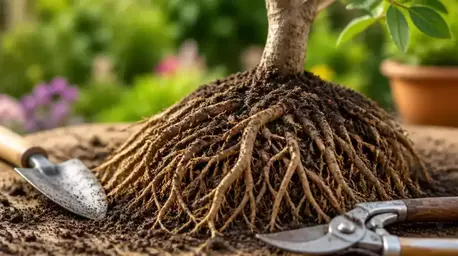
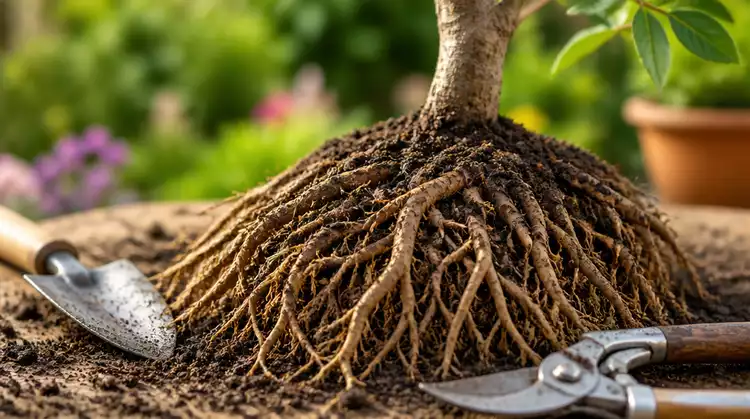
Sold without soil around their roots. Must be handled carefully to prevent roots from drying out before planting.
2026-11-18
Did you know that proper root preparation can significantly increase the likelihood of your trees thriving after planting? The journey to a lush and vibrant landscape begins with understanding how to care for tree roots effectively. By taking the time to prepare, you not only enhance the chances of success but also cultivate a deeper connection with your garden.
Understanding the different types of tree roots helps ensure proper planting techniques and successful growth. For more details on choosing the ideal trees for your area, explore our guide on selecting trees for your area.
Sold without soil around their roots. Must be handled carefully to prevent roots from drying out before planting.
These come in pots, and their roots may be circling. It's essential to gently loosen and spread their roots during planting.
Usually balled and burlapped. Remove any wrapping material and assess root health before planting.
Preparing tree roots before planting day is a crucial step that can significantly impact the growth and health of your trees. When we take the time to ensure that tree roots are ready, we set the stage for a strong foundation. Just like a solid base is vital for a building, healthy roots allow trees to thrive, absorb nutrients, and withstand environmental stresses.
Many people underestimate how vital this preparation is. Think of it this way: well-prepared roots can help prevent transplant shock, which is one of the leading causes of tree failure after planting. By taking root care seriously, you can ensure your trees will flourish for years to come, enriching our ecosystems and beautifying our landscapes.
It’s essential to recognize the importance of proper root preparation for successful planting. Roots are responsible for water and nutrient uptake, so if they are damaged or poorly prepared, your tree might struggle to establish itself. This is why focusing on root health right from the start is critical; it lays the groundwork for a prosperous life ahead. To learn more about nurturing strong root systems, consider our insights on encouraging healthy root development.
At Deep Roots Journal, I’ve learned that understanding tree species can also help you prepare their roots effectively. Each tree has unique needs based on its growth habits, so tailoring your approach can lead to better outcomes. It’s like knowing your plants on a personal level—what they need to thrive!
When it comes to tree planting, not all roots are created equal! Different types of trees have unique root structures, meaning their preparation needs can vary significantly. Understanding the differences between bare-root, container-grown, and root-ball trees is crucial for ensuring the best planting experience.
By understanding these distinctions, you can tailor your root preparation techniques to match the specific needs of each tree type. This not only enhances the chances of a successful planting but also fosters a stronger bond between you and your garden, making your effort worthwhile! For comprehensive strategies on maintaining your landscape, including tree care, check out our guide on essential tree care and landscaping.
Before planting, consider soaking the roots of bare-root trees in water for a few hours. This practice helps to rehydrate the roots and can significantly reduce transplant shock, giving your trees a stronger start in their new environment.
As we wrap up our journey into the world of tree root preparation, it's essential to remember that each step we take before planting influences the overall success of our trees. Proper root preparation sets the stage for vibrant growth and long-term health. From understanding the unique needs of different tree types to employing the right planting techniques, every detail matters. Let's recap the key points that will help you foster a thriving environment for your new trees!
Here are the main takeaways to keep in mind as you prepare to plant:
Now that your trees are planted, it's important to shift focus to ongoing care, which is just as crucial as the initial preparation. Just like us, trees need love and attention to flourish! Regular watering, mulching, and checking for pests will help them settle into their new home. Your commitment to their care can make a world of difference in their survival and growth.
Consider these best practices to ensure your trees continue to thrive:
At Deep Roots Journal, we strive to empower you with the knowledge you need to succeed in your gardening endeavors! If you enjoyed this article and want to learn more about effective tree care and preparation, I invite you to join our community. Subscribe to our newsletter for the latest insights, tips, and resources tailored just for you. Your journey towards cultivating a flourishing garden starts here! For more insights on ensuring your trees’ stability, read about deep roots for stable trees.
As you dive into tree planting, you might have some lingering questions. Here are a few common concerns many gardeners face regarding root preparation:
By addressing these questions, we can empower you to feel confident in your tree planting journey! Remember, preparation is key, but it’s the ongoing care that truly nurtures the roots of our environment.
Here is a quick recap of the important points discussed in the article:
Rowan Thorne
Horticulturist. Environmental advocate. Nature enthusiast.
Rowan Thorne brings years of hands-on experience in botany and root care, sharing practical tips and expert insights to help you nurture a thriving natural environment. Follow along at DeepRootsJournal.com for fresh, inspiring content that deepens your connection to the ecosystem.
Discover the intricate world of tree species, soil health, and root care through our expert insights. We are passionate horticulturists dedicated to helping you cultivate a thriving natural environment.