
Benefits of Good Drainage
- Prevents root suffocation by allowing proper airflow.
- Ensures effective water absorption during dry periods.
- Helps maintain nutrient levels in the soil.
2026-06-06
Did you know that proper drainage can be as essential to tree health as sunlight and nutrients? Understanding the nuances of how water interacts with tree roots is crucial for any gardener looking to foster robust, resilient trees. Let's explore the key lessons that can transform your tree care approach.
Understanding effective drainage techniques is crucial to maintaining healthy trees. Below, you'll find key points and comparisons related to drainage methods and their impact on tree health. For a broader overview of how to maintain a thriving garden, consider our guide on essential tree care and landscaping.
When we think about tree health, we often focus on sunlight and nutrients, but drainage is just as critical! Proper drainage helps ensure that tree roots receive the right amount of moisture without drowning in excess water. Let’s dive into why understanding drainage can make a big difference in your tree care efforts.
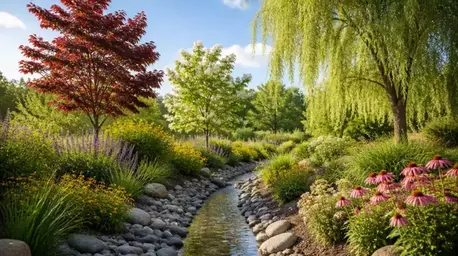
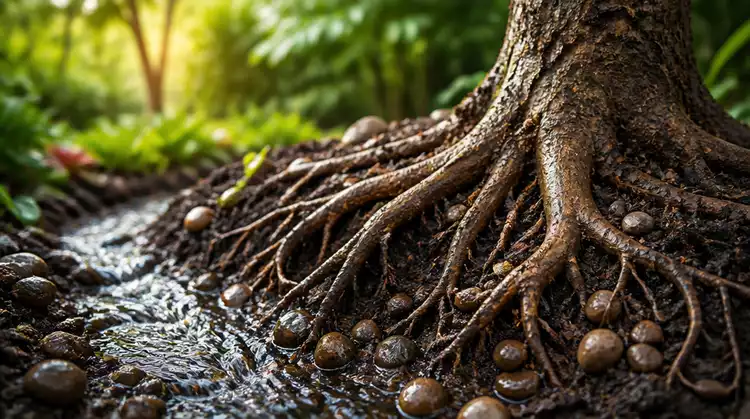
Good drainage not only supports tree health but also contributes to the overall ecosystem of your garden. It allows excess water to flow away, preventing waterlogged soil that can suffocate roots and limit their ability to absorb nutrients. So, when you're planting or caring for trees, always think about the surrounding drainage!
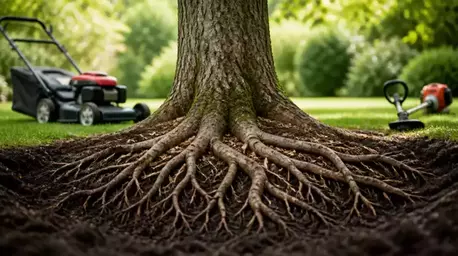
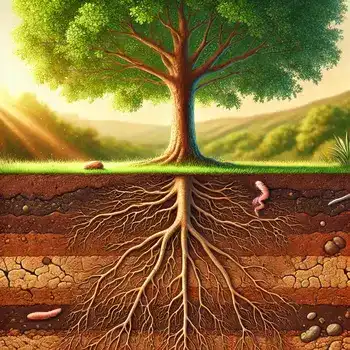
Imagine the roots of a tree as the lifeline of its existence. If they’re sitting in waterlogged soil, they can’t breathe properly. This lack of oxygen leads to root stress, which can weaken the entire tree. That’s why understanding drainage is a game-changer for anyone looking to maintain a healthy garden. For more detailed insights into root health, explore our article on encouraging healthy root development.
Moreover, good drainage ensures that trees can effectively access water during dry spells. On the other hand, too much water can wash away essential nutrients, depriving trees of what they need to thrive. To summarize, effective drainage creates a balance that is beneficial for both trees and soil!
Poor drainage can lead to severe consequences for your trees. One of the most common issues is root rot, which occurs when roots can't get enough oxygen. This can cause trees to wilt and eventually die if not addressed. Have you ever noticed trees that seem to struggle despite the care they receive? Poor drainage might be the hidden culprit!
Additionally, trees with poor drainage are more susceptible to disease and pests. A stressed tree is like a worried friend; it doesn’t cope well and becomes an easy target for harmful insects and pathogens. By ensuring appropriate drainage, we can help our trees build resilience against these challenges.
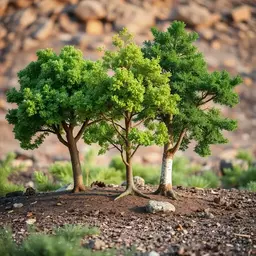
Soil composition plays a vital role in how well water drains around tree roots. Different soil types—like clay, silt, and sand—affect drainage rates significantly. For instance, clay soils retain water, leading to poor drainage, while sandy soils allow water to flow freely. Understanding these differences can guide us in making better choices for our trees, particularly when selecting soil types for tree roots.
To optimize drainage for tree health, consider amending your soil with organic matter. This can improve soil structure and allow better water movement. Remember, a well-drained soil environment can make all the difference in nurturing strong, healthy trees that stand tall in your garden!
To enhance drainage and promote tree health, consider incorporating permeable materials around the base of your trees. Adding gravel or mulch can improve water flow and prevent soil compaction, allowing roots to breathe and access moisture more effectively.
To wrap up our discussion on tree health and drainage, it’s vital to remember the key strategies that can make a significant difference. Proper drainage is the lifeblood of your trees, influencing their growth, stability, and overall health. By understanding the importance of drainage and identifying any issues early, you can take proactive steps to create a thriving environment for your trees.
As we’ve explored, various solutions can improve drainage around your tree roots. From soil amendments to the installation of drainage systems, each method has its unique benefits. It's all about assessing your landscape's specific needs to choose the right approach that will best support your trees.
Here’s a quick recap of the essential points we’ve covered regarding tree drainage management:
By keeping these points in mind, you can ensure your trees receive the best care possible. Remember, at Deep Roots Journal, we’re passionate about equipping you with the knowledge to nurture and protect our precious ecosystems!
To help you put these strategies into action, here’s a handy checklist to ensure your trees remain healthy:
Following this checklist can help prevent common drainage problems and keep your trees thriving. Did you know that taking a proactive approach can also foster a deeper connection with your plants? It’s not just about fixing issues—it's about nurturing a healthy, resilient ecosystem. For more guidance on soil management, delve into how to aerate soil for healthy roots.
As we conclude our journey into effective drainage strategies, I invite you to reflect on your own experiences. Have you faced challenges with tree drainage in your garden? What methods have you found most effective? Sharing your stories can enrich our community's understanding and inspire others!
If you have any questions or would like to dive deeper into specific topics regarding tree care and drainage, please don’t hesitate to reach out! I’m here to help and would love to hear your thoughts. Whether it’s about specific tree species or soil health, your inquiries can guide our future discussions.
For those eager to learn more, I recommend checking out some of these resources:
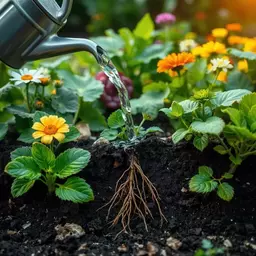
These resources can provide you with further insights to enhance your gardening journey. Remember, at Deep Roots Journal, we’re committed to empowering you with the knowledge needed to cultivate a thriving environment. Happy gardening! You might also find our article on watering techniques for tree roots particularly useful.
Here’s a quick recap of the essential points we’ve covered regarding tree drainage management:
Rowan Thorne
Horticulturist. Environmental advocate. Nature enthusiast.
Rowan Thorne brings years of hands-on experience in botany and root care, sharing practical tips and expert insights to help you nurture a thriving natural environment. Follow along at DeepRootsJournal.com for fresh, inspiring content that deepens your connection to the ecosystem.
Discover the intricate world of tree species, soil health, and root care through our expert insights. We are passionate horticulturists dedicated to helping you cultivate a thriving natural environment.