



As we face increasingly unpredictable weather patterns, understanding how seasonal droughts impact tree roots is paramount for maintaining healthy ecosystems. This article uncovers the vital roles that tree roots play, especially during challenging drought conditions, and offers actionable insights for tree care enthusiasts.
What You Will Learn
The critical functions of tree roots, including water uptake, nutrient absorption, soil stabilization, and collaboration with soil microbes.
The distinction between seasonal drought and prolonged drought, highlighting how each affects tree health differently.
Key impacts of seasonal drought on soil moisture and nutrient availability, and how these changes influence tree root function.
Practical steps for monitoring tree health during drought, such as inspecting leaves, checking soil moisture, and examining bark and branches for stress signs.
Resources for ongoing learning about tree care, including local extension services, online courses, and horticulture books.
Sustainable practices to promote tree longevity, including the use of organic mulch, deep watering techniques, and planting native species.
Impact of Seasonal Drought on Tree Root Function
This visual highlights the critical functions of tree roots and the effects of seasonal drought on their capabilities.
Key Functions of Tree Roots
Water Uptake
Nutrient Absorption
Soil Stability
Microbial Cooperation
Effects of Seasonal Drought on Roots
Soil Moisture Reduction
Nutrient Leaching
Root Stress
Reduced Soil Microbial Activity
Understanding Seasonal Drought and Its Impact on Tree Root Function
As we dive into the fascinating world of trees, one aspect that stands out is the role of their roots. Tree roots are not just underground anchors; they play critical roles in water uptake, nutrient absorption, and overall tree health. Understanding how these roots function is essential, especially during seasons of drought. By grasping the significance of tree roots, we can better appreciate the challenges they face and the strategies we can employ to support them. For more insights on how to care for your trees, check out our guide on essential tree care and landscaping.
Roots are the lifeblood of trees, reaching out to gather water and nutrients from the soil. When a tree's roots are healthy, it can better cope with environmental stresses, including seasonal droughts. These hidden structures also interact with soil microorganisms, enhancing nutrient availability and promoting a thriving ecosystem. At Deep Roots Journal, we believe that recognizing the importance of these roots is the first step toward fostering a vibrant natural environment.
The Importance of Tree Roots in Ecosystems
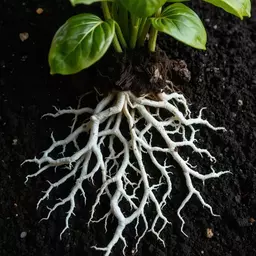
Tree roots are essential to the ecosystem, performing many vital functions. They help stabilize the soil, preventing erosion, and contribute to water filtration. Additionally, tree roots form partnerships with fungi, known as mycorrhizae, which increase nutrient uptake and improve soil health.
Water Uptake: Roots extract moisture from the soil, ensuring trees have the necessary hydration to thrive.
Nutrient Absorption: They absorb essential nutrients like nitrogen and phosphorus, supporting overall tree growth.
Soil Stability: Roots stabilize the soil, reducing erosion and enhancing landscape integrity.
Microbial Cooperation: Roots collaborate with soil microbes to improve nutrient availability and support healthy soil ecosystems.
Understanding these functions highlights why caring for tree roots is vital. When we take steps to protect and nurture these roots, we not only support individual trees but also contribute positively to the broader ecosystem.
Defining Seasonal Drought in Context
Seasonal drought is a unique phenomenon that differs significantly from prolonged droughts. While seasonal drought can occur intermittently, usually in response to changes in weather patterns, prolonged droughts last for extended periods, causing more severe stress to trees. Understanding these differences is crucial for managing tree health effectively. For more details on supporting your trees during dry spells, explore effective watering techniques for tree roots.
During seasonal droughts, trees might experience temporary water scarcity, but they often have time to recover once the rains return. In contrast, prolonged droughts can lead to long-term damage, including root dieback and reduced growth rates. By recognizing these distinctions, we can develop appropriate strategies to support our trees during challenging times.
Impact on Soil Moisture and Nutrient Availability
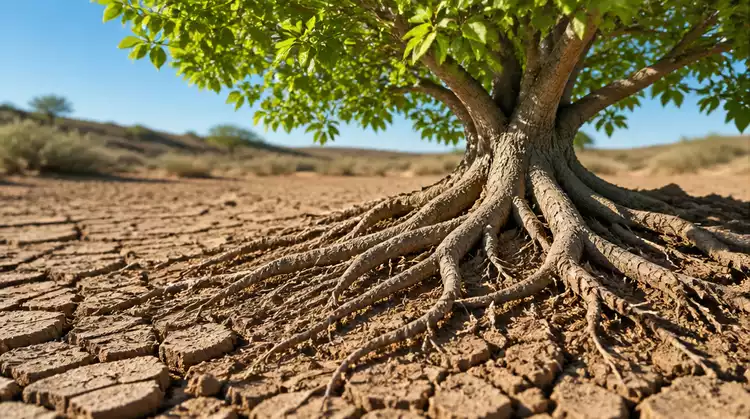
Seasonal drought significantly affects soil moisture levels, which can directly impact nutrient availability for tree roots. When the soil dries out, the water that trees depend on becomes limited, leading to competition among plants for these vital resources. This competition can hinder a tree's ability to absorb nutrients effectively.
Soil Moisture Reduction: As moisture evaporates, the soil can become too dry for roots to access essential water.
Nutrient Leaching: Drought conditions can lead to nutrient leaching, further reducing availability.
Root Stress: Limited moisture can cause roots to stress, impacting overall tree health.
Soil Microbial Activity: The lack of moisture can reduce microbial activity, which is crucial for breaking down organic matter and releasing nutrients.
Being aware of how seasonal drought affects soil conditions helps us make informed decisions about tree care. By implementing proactive measures, we can mitigate these effects and nurture our trees through dry spells.
Quick Summary
Here's a brief recap of the key points discussed so far:
Importance of Roots: Tree roots are essential for water and nutrient uptake, soil stabilization, and fostering healthy ecosystems.
Understanding Drought: Seasonal droughts differ from prolonged droughts, affecting tree health in varying degrees.
Soil Conditions: Seasonal droughts can lead to reduced soil moisture and nutrient availability, stressing tree roots.
Actionable Steps for Tree Care During Drought Conditions
During drought periods, it's crucial to keep a close eye on the health of your trees. As a passionate horticulturist, I know how valuable it is to be proactive in monitoring tree conditions. Regular assessments can help you identify any signs of stress early on. Here are some practical steps to get started:
Inspect Leaves: Look for signs of wilting, discoloration, or dropping leaves. These can indicate that your tree is struggling.
Check Soil Moisture: Dig a small hole near your tree’s roots. If the soil feels dry several inches down, it's time to water.
Examine Bark and Branches: Cracked or peeling bark can be a sign of stress. Also, keep an eye on branch dieback, which could indicate deeper issues.
Observe Overall Growth: If your tree appears stunted or isn't producing new growth, it may need extra care.
These simple steps can help you stay on top of your tree's health during those hot, dry months! Regular monitoring not only helps you intervene early but also fosters a deeper connection with your plants, which I find incredibly rewarding.
Resources for Ongoing Learning and Support
For those looking to deepen their understanding of tree care, especially in the context of drought management, there are fantastic resources available. Here are some of my favorites that I often reference on Deep Roots Journal:
Local Extension Services: Many counties have agricultural extension services that offer free workshops and advice.
Online Courses: Websites like Coursera and Udemy often have tree care courses tailored for varying skill levels.
Books on Horticulture: Check out “The Tree Care Primer” for a comprehensive guide to tree health.
Expert Consultations: Consider reaching out to local arborists for personalized advice on your specific tree species.
These resources can empower you to care for your trees effectively, ensuring they thrive even during challenging drought conditions. At Deep Roots Journal, I believe that knowledge is key to cultivating a resilient natural environment!
FAQs About Seasonal Drought and Tree Roots
Q: What are the primary functions of tree roots?
A: Tree roots are crucial for water uptake, nutrient absorption, soil stabilization, and cooperating with soil microbes to enhance nutrient availability.
Q: How does seasonal drought differ from prolonged drought?
A: Seasonal drought is temporary and often allows trees to recover once rain returns, while prolonged droughts last for extended periods, causing more severe and long-term damage, including root dieback.
Q: What impact does seasonal drought have on soil moisture and nutrient availability?
A: Seasonal drought reduces soil moisture, making it difficult for roots to access water. It can also lead to nutrient leaching and reduced soil microbial activity, all of which hinder nutrient absorption by trees.
Q: What are some actionable steps for monitoring tree health during a drought?
A: Key steps include inspecting leaves for wilting or discoloration, checking soil moisture levels several inches deep, examining bark and branches for signs of stress, and observing overall growth for any stunting.
Q: What sustainable practices can promote tree longevity during drought conditions?
A: Sustainable practices include using organic mulch to retain soil moisture, implementing deep watering techniques to encourage deeper root growth, and planting native tree species that are naturally more resilient to local climate conditions.
Encouraging Sustainable Practices for Tree Longevity
As climate conditions continue to change, embracing sustainable practices becomes even more vital for tree health. Here are a few practices I advocate for to promote longevity in your trees:
Use Organic Mulch: This helps retain soil moisture, regulate temperature, and add nutrients to the soil. Discover more about mulch for tree root health.
Implement Deep Watering Techniques: Encourage deeper root growth by watering less frequently but deeply.
Plant Native Species: Native trees are often more resilient to local climate conditions and require less care. Learn how to choose the best ones with our guide on native trees for sustainable landscapes.
By adopting these practices, you contribute to the overall health of your trees and the environment! It brings me joy to see more people getting involved in sustainable horticulture, and I hope you'll join in these efforts.
Engagement Invitation
I would love to hear from you! Have you experienced challenges with drought in your area? What steps have you taken to care for your trees during these tough times? Share your experiences in the comments section below! Your insights can inspire others in our community to take action and enhance their tree care practices. Together, we can nurture the environment we cherish.
Recap of Key Points
Here is a quick recap of the important points discussed in the article:
Tree Roots' Functions: Roots are critical for water uptake, nutrient absorption, soil stability, and microbial cooperation.
Understanding Seasonal Drought: It differs from prolonged droughts; trees can often recover from seasonal droughts when rains return.
Impact on Soil: Seasonal drought reduces soil moisture and nutrient availability, leading to competition among plants.
Proactive Tree Care: Regularly inspect leaves, soil moisture, bark, and overall growth to identify stress early.
Sustainable Practices: Use organic mulch, implement deep watering, and plant native species to enhance tree longevity.
Rowan Thorne brings years of hands-on experience in botany and root care, sharing practical tips and expert insights to help you nurture a thriving natural environment. Follow along at DeepRootsJournal.com for fresh, inspiring content that deepens your connection to the ecosystem.
Discover the intricate world of tree species, soil health, and root care through our expert insights. We are passionate horticulturists dedicated to helping you cultivate a thriving natural environment.