
Space-saving Design
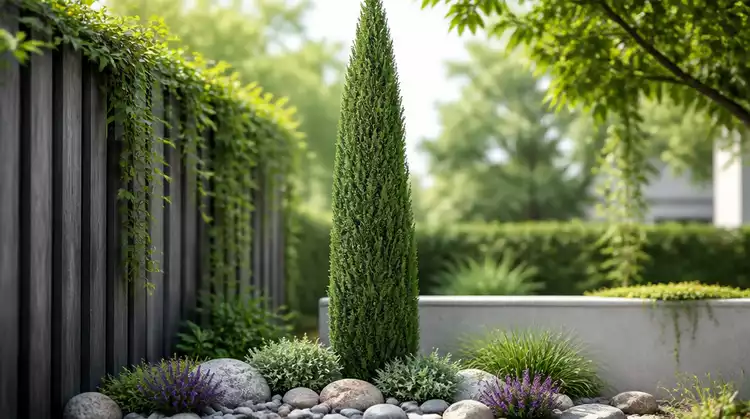
Narrow columnar trees grow tall and slender, taking up less horizontal space, perfect for urban areas.
2026-10-04
Choosing the right trees for limited spaces can transform your garden into a stunning oasis. Columnar trees are the perfect solution for urban environments, offering beauty without sacrificing space. Imagine a landscape where every inch is utilized effectively, and every tree contributes to the overall aesthetic. Dive into the world of columnar trees and discover how these slender beauties can enhance your gardening experience!
Columnar trees offer a variety of advantages for tight spaces. Below are the primary benefits represented visually.
Narrow columnar trees grow tall and slender, taking up less horizontal space, perfect for urban areas.
These trees provide elegant vertical lines, enhancing the visual appeal of any landscape.
Ideal for accents, screens, or windbreaks, these trees serve multiple landscaping functions.
Columnar trees require less upkeep, giving you more time to enjoy your garden.
When it comes to creating a beautiful garden in limited spaces, narrow columnar trees are a fantastic option! These trees offer unique benefits, making them perfect for urban settings, small yards, and even tight corners in larger gardens. With their elegant, upright growth habits, they can enhance any landscape and provide a touch of greenery where traditional trees might not fit.
Choosing columnar trees for your tight spaces not only maximizes your area but also adds a visually appealing element to your garden. Their slim silhouettes allow you to create stunning vertical lines that draw the eye upward, making even the smallest yard feel more spacious. Plus, many of these trees require less maintenance, allowing you to enjoy their beauty without a significant time commitment! For more insights into optimizing your garden, consider exploring trees for small urban gardens.
One of the primary reasons to opt for columnar trees is their incredible space efficiency. These trees grow tall and slender, which means they take up less horizontal space compared to traditional trees. This characteristic is especially valuable in urban areas where every inch counts. They work wonderfully as accents or focal points, and also as functional features like screens or windbreaks.
Another advantage is their aesthetic appeal. With so many varieties available, you can find columnar trees that complement your existing landscape. Whether you're aiming for a modern look or a more classic garden style, these trees can offer the perfect touch. Here are some key benefits of choosing columnar trees:
In small gardens, utilizing space efficiently is crucial. Columnar trees fit into tight spots without overwhelming the area. This efficiency allows you to combine them with other plants, creating a layered look that is both beautiful and practical. For instance, planting some colorful flowers or shrubs in front of a columnar tree can create a vibrant backdrop, enhancing both plants.
Additionally, many columnar trees showcase stunning foliage and bark that can bring interest to any landscape. Imagine the sight of a Sky Pencil Holly standing tall against a backdrop of perennials! This visual contrast not only adds depth but also invites the eye to explore your garden more. Are you ready to explore these exciting tree options?
Columnar trees are particularly well-suited for urban environments where space is often limited. Their growth habits allow them to thrive even in less-than-ideal conditions, such as compacted soil or nearby buildings. These trees are typically more tolerant of urban stresses, making them resilient choices for city gardeners. To learn more about selecting the best trees for your specific area, read our guide on selecting trees for your area.
Moreover, their growth is often more predictable than other tree types, which means you can plan your landscape more effectively. Here are some examples of popular columnar trees that can thrive in tight spaces:
By choosing these narrow varieties, you can enjoy the many benefits of trees without worrying about overcrowding or excessive maintenance. It's about making smart choices that align with your gardening goals!
When selecting narrow columnar trees, consider their seasonal changes! Many varieties, such as the Italian Cypress, showcase striking colors in fall, while others maintain a vibrant green throughout the year. This seasonal interest can add layers of beauty to your garden, ensuring it remains visually appealing even in the colder months.
Choosing the right narrow columnar trees for your garden can seem daunting, but I'm here to help simplify that process! It’s essential to assess your site conditions before planting to ensure these trees thrive in your unique space. From soil type to sunlight, considering various factors will lead you to the best choices for your garden.
Begin by examining the specific conditions of your planting area. Understanding soil drainage and sun exposure can make all the difference. A tree that prefers well-drained soil won’t survive long in soggy ground, just as one that needs full sunlight might struggle in shaded spots.
Soil and sunlight are just two of the key elements to consider. Here are some specific factors to evaluate:
For trees like the Columnar Maple or Fastigiate Elm, it’s critical to factor in their specific needs when choosing a location. If you have limited space, understanding your soil type and sunlight will help ensure you pick the perfect spot for planting! You can find more comprehensive information on proper tree care and landscaping practices on our Essential Tree Care and Landscaping page.
Soil drainage is vital for the health of your trees. Well-draining soil prevents water from pooling around roots, which can cause root rot. On the other hand, trees like the Emerald Green Arborvitae enjoy moist environments but still need good drainage! For insights into promoting healthy root systems, see our article on encouraging healthy root development.
Sun exposure also plays a significant role. Some columnar trees thrive in full sun, while others can tolerate partial shade. Knowing how much sunlight your chosen location gets will help you keep your plants happy and healthy!
As you evaluate your planting site, think about how much room the tree's roots will need to grow. While columnar trees are typically narrow, their roots can spread wider than you might expect. This is crucial to consider when planting near structures or other plants.
Also, measure the ground space to ensure that your chosen tree will have room to grow both above and below ground. A little planning goes a long way in creating a beautiful, healthy landscape!
Once you've selected the right narrow columnar trees, maintenance becomes key to their long-term health. Here are some practical tips to keep in mind:
By steering clear of common planting mistakes, you pave the way for strong and healthy growth. Too often, gardeners overlook these steps, leading to frustration down the line!
Let’s break down a few common pitfalls to watch out for:
A little knowledge goes a long way in avoiding these mistakes and ensuring your narrow columnar trees flourish in your garden!
Long-term care requires a commitment to monitoring your trees for signs of disease. Some columnar trees, like Junipers and Arborvitaes, are relatively disease-resistant, but it’s still essential to check for any unusual symptoms. Early detection can save your trees from more significant issues in the future!
Pruning also plays a vital role in keeping your trees healthy and aesthetically pleasing. Regular trimming helps maintain their shape and encourages new growth. For more specific care, researching the individual needs of your chosen variety will set you up for success!
Both Junipers and Arborvitaes have distinct care requirements to help them thrive:
By keeping these specific care tips in mind, you can help your columnar trees stay healthy and vibrant for years to come!
Narrow columnar trees can be a fantastic addition to any tight space, bringing both beauty and function. From providing privacy to enhancing the aesthetic appeal of small yards, these trees are worth considering. Remember to evaluate your space's unique conditions and research the specific needs of your selected varieties! For more guidance on choosing the ideal trees for your landscape, check out our article on selecting trees for your garden.
As you explore local options for your landscaping projects, don't hesitate to reach out to fellow gardening enthusiasts or consult with experts. Engaging with the community and sharing experiences can open up exciting new ideas for enhancing your environment with columnar trees. Happy gardening!
Here is a quick recap of the important points discussed in the article:
Rowan Thorne
Horticulturist. Environmental advocate. Nature enthusiast.
Rowan Thorne brings years of hands-on experience in botany and root care, sharing practical tips and expert insights to help you nurture a thriving natural environment. Follow along at DeepRootsJournal.com for fresh, inspiring content that deepens your connection to the ecosystem.
Discover the intricate world of tree species, soil health, and root care through our expert insights. We are passionate horticulturists dedicated to helping you cultivate a thriving natural environment.