
Key Symptoms of Transplant Shock
- Wilting leaves: Drooping or wilting, especially during hot weather.
- Yellowing foliage: Sign of nutrient deficiencies or stress.
- Stunted growth: Lack of new growth indicating struggle.
2026-04-09
Did you know that understanding the delicate balance of transplanting can significantly improve your gardening success? Many plants experience stress when relocated, but with the right techniques, you can help them thrive. Dive in to learn how to support your plants through this critical transition!
Understanding the symptoms and environmental factors that contribute to transplant shock allows gardeners to take proactive measures to ensure plant health. Below is a visual representation of the key symptoms and environmental factors.
Transplant shock is a term that describes the stress plants experience when they're moved from one location to another. This condition can leave your beloved plants struggling to adjust, sometimes leading to stunted growth or wilting. At Deep Roots Journal, I believe it’s essential to understand transplant shock, as this knowledge can greatly influence the success of your gardening endeavors! For more insights on general care, check out our guide on essential tree care and landscaping.
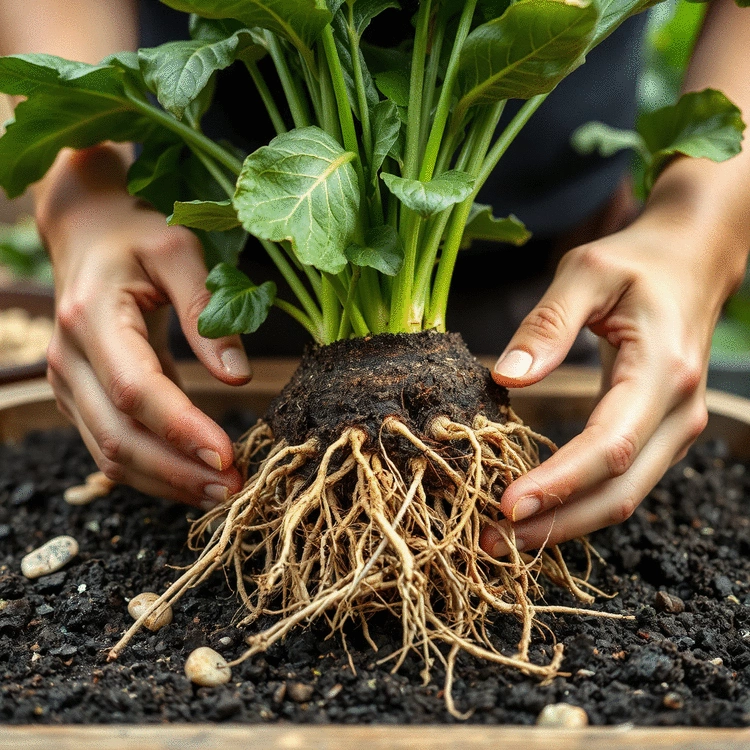
When I first started learning about plants, I was surprised to find out just how sensitive they can be to changes in their environment. The roots, in particular, play a crucial role in a plant's ability to cope with relocation. If they are disturbed or damaged, the plant may struggle to absorb water and nutrients, leading to various symptoms of transplant shock.
In simple terms, transplant shock occurs when a plant is uprooted and placed into a new environment, disrupting its established roots. This process can cause a significant imbalance in the plant's ability to take up water and nutrients. Imagine how you would feel if you were suddenly moved to a new home—it's a lot to adjust to!
The key to minimizing transplant shock lies in understanding how plants respond to such changes. They might exhibit signs of distress, but with proper care and preparation, you can help them adapt and thrive in their new surroundings. For instance, taking extra care with their roots during the transplanting process can make a world of difference, as discussed in our article on how to transplant trees without root damage.
Recognizing transplant shock is vital for addressing it promptly. Here are some common symptoms to watch for:
Being aware of these symptoms will help you act quickly. For example, if your plant is wilting, you might consider adjusting its watering schedule or providing some shade to help it acclimate. At Deep Roots Journal, I always emphasize the importance of observation—spending a little time with your plants can reveal so much!
Several environmental factors can exacerbate transplant shock. Here are a few you should consider:
By being mindful of these factors, you can create a more supportive environment for your plants. For instance, using high-quality soil amendments can vastly improve their chances of thriving post-transplant. Remember, every small effort counts in nurturing our natural world!
Here's a brief recap of the key points discussed so far:
As we delve deeper into the world of horticulture, it's essential to recognize the unseen allies that play a vital role in our plants' health—the root microbiome. This intricate community of microorganisms, including beneficial bacteria and fungi, works tirelessly to support plant growth and resilience. At Deep Roots Journal, I've seen firsthand how nurturing this microbiome can lead to vibrant gardens and thriving ecosystems.
One of the most fascinating aspects of this ecosystem is the role of mycorrhizae, a type of fungus that forms a symbiotic relationship with plant roots. These fungi extend the root system's reach, helping plants absorb water and nutrients more efficiently. In return, the plants provide these fungi with sugars and other organic compounds. It's a beautiful partnership that underscores the importance of healthy root systems!
Mycorrhizae can significantly enhance your plants' ability to thrive. By improving nutrient uptake and water retention, these fungi help your plants withstand periods of drought and nutrient deficiency. Incorporating mycorrhizae into your gardening practices can be as simple as:
When you introduce mycorrhizae to your garden, you're not just improving root health; you're setting the stage for a more resilient ecosystem. This holistic approach aligns perfectly with our mission at Deep Roots Journal: to promote sustainable horticulture practices that benefit both plants and the environment. Learn more about mycorrhizal fungi and root health for a deeper understanding.
Understanding your local climate is essential when it comes to transplanting. Different environments can impact how plants establish their roots and cope with stress. Here are a few climate-specific tips to consider:
By tailoring your transplanting techniques to your local climate, you can better support your plants through their establishment phase. It's a small adjustment that can lead to significant improvements in their long-term health!
Acclimatizing your plants before transplanting can significantly reduce transplant shock. This process involves gradually introducing your plants to their new environment to help them adapt more easily. Here are some effective methods for acclimatization:
As you acclimate your plants, remember that patience is key. Taking the time to help them adjust will pay off in the long run, leading to healthier growth and a more vibrant garden! This careful process is also beneficial when selecting trees for your garden, ensuring their successful establishment.
Transplant shock can feel overwhelming, but rest assured, many gardeners have navigated this hurdle. At Deep Roots Journal, we often receive questions regarding the best practices for mitigating transplant shock. Let's tackle some of the most common inquiries!
Having the right tools at your disposal can make all the difference when transplanting. Here are some must-have items to ensure successful root care:
Using these tools effectively can help you maintain the integrity of the root system, minimizing shock and promoting a smoother transition for your plants.
Absolutely! Different plant types can indeed experience varying levels of transplant shock. Factors such as:
Some plants, like perennials, may bounce back quickly, while others, such as young trees, may require more time and care. Understanding these differences will help you tailor your approach, much like understanding varied soil types for tree roots is crucial for their well-being.
The size of the container in which a plant grows significantly impacts its root establishment. Here are some insights to consider:
As you choose your planting containers, keep in mind the long-term health of your plants. A little extra consideration goes a long way in supporting their journey!
As we wrap up our exploration of transplanting techniques, it's essential to remember the significance of patience and care. Just as we nurture our gardens, the journey of each plant requires time and attention. At Deep Roots Journal, I encourage you to embrace this process and give your plants the love they need!
Successful transplanting hinges on a thoughtful approach that emphasizes patience and care. By understanding the importance of root health, environmental factors, and proper techniques, you can cultivate a flourishing garden. Remember, each plant has its own story, and taking the time to listen to its needs will lead to a more fulfilling gardening experience!
Now that you’re equipped with valuable insights and strategies, I invite you to implement these root care techniques in your own gardening practices. Whether you’re a seasoned horticulturist or just starting out, the journey towards healthier plants begins with you. Let's work together to nurture our environment and promote sustainable gardening practices that benefit us all!
Here is a quick recap of the important points discussed in the article:
Rowan Thorne
Horticulturist. Environmental advocate. Nature enthusiast.
Rowan Thorne brings years of hands-on experience in botany and root care, sharing practical tips and expert insights to help you nurture a thriving natural environment. Follow along at DeepRootsJournal.com for fresh, inspiring content that deepens your connection to the ecosystem.
Discover the intricate world of tree species, soil health, and root care through our expert insights. We are passionate horticulturists dedicated to helping you cultivate a thriving natural environment.