



- Root Care
- Nov 29
2026-05-24
Imagine nurturing a young tree, watching it grow strong and resilient under your care. The secret to its success? Watering. Ensuring that newly planted trees receive the right amount of water is essential for their establishment and long-term health. In this article, we will uncover the vital practices that every gardener should know to foster their trees’ growth.
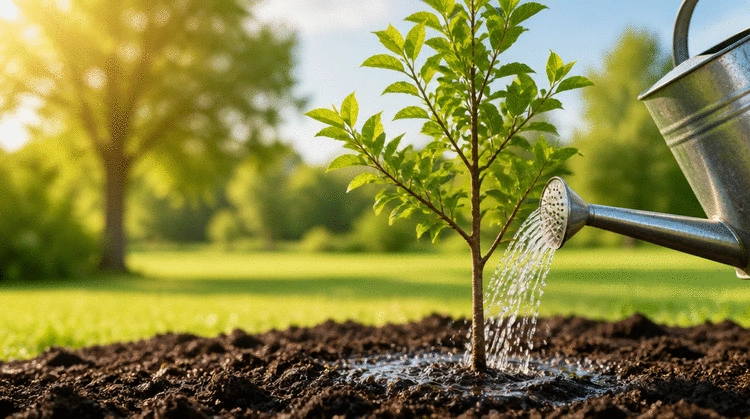
This visual summarizes effective strategies for watering newly planted trees, ensuring robust root establishment. For more comprehensive insights into maintaining a healthy garden, consider exploring essential tree care and landscaping practices.
Water daily or every few days, depending on weather conditions.
Adjust your watering frequency based on rainfall and soil moisture.
Transition to a long-term watering plan, focusing on deeper watering techniques.
When you plant a new tree, the very first thing to consider is water. Watering helps establish the roots, which are essential for the tree's long-term growth and health. Without adequate moisture, your tree may struggle to adapt to its new environment, making it more vulnerable to stress and disease.
In my experience as a horticulturist, I’ve seen how crucial the right amount of water is for newly planted trees. It's not just about keeping the soil damp; it's about creating the right conditions for roots to spread out and absorb nutrients. Understanding the importance of watering is the first step toward ensuring that your tree thrives!
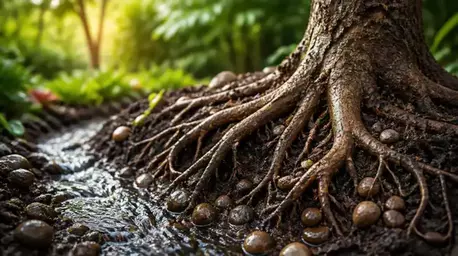
Water serves as the lifeblood for young trees, playing a vital role in their root establishment. When a tree is newly planted, its roots need to establish a strong network in the soil. This process relies heavily on water to support hydration and nutrient uptake.
Inadequate watering can hinder root development, leading to poor growth and, ultimately, tree failure. As the tree's roots grow deeper, they become better equipped to find water and nutrients, which is essential for their overall health. It’s fascinating how something as simple as water can create such complex and vital life connections! For more on this, explore how to encourage healthy root development.
Proper watering is essential for a tree's health because it promotes root development and overall vigor. When you water your tree correctly, you’re helping it build a robust system capable of supporting its growth above ground. Trees that receive the right amount of water are generally more resilient to pests and diseases.
Moreover, the right watering techniques can improve soil structure. Well-watered soil encourages beneficial organisms like earthworms and microbes, which further enhance soil health. It's a beautiful cycle of life that starts with simple watering practices!
The amount of water and its frequency can significantly influence root growth and soil conditions. Ideally, the soil should be moist but not soggy, allowing roots to breathe while still accessing necessary moisture. When soil is too dry, roots struggle, and when it's too wet, they can rot!
By focusing on watering practices, you set the stage for a thriving, resilient tree that can flourish in its environment. Remember, at Deep Roots Journal, we believe that understanding these foundational elements can transform your gardening experience!
Knowing when to water newly planted trees can be as important as how much water you give them. Timing is everything in the delicate early stages of growth! In this next section, we’ll explore how to identify and act on your trees’ initial watering needs.
Did you know? The best time to water your newly planted trees is in the early morning or late afternoon? This timing reduces evaporation and allows the trees to absorb moisture more effectively, ensuring they get the hydration they need without wasting water.
As we wrap up our deep dive into the art of watering newly planted trees, it's vital to remember just how crucial proper watering is for their survival. Here at Deep Roots Journal, I believe that nurturing our trees begins the moment they are planted. A well-structured watering routine not only promotes strong root establishment but also sets the stage for a healthier and more vibrant tree.
Throughout this article, I've emphasized the importance of understanding the unique water needs of different tree species. Whether you’re tending to a tiny sapling or a large shade tree, a tailored approach to watering will foster growth and resilience. Let’s summarize the key strategies we've discussed!
To ensure your newly planted trees thrive, consider this straightforward watering schedule:
Additionally, remember the role of environmental factors in your watering routine. Weather conditions can significantly impact soil moisture levels, and understanding these changes can guide your watering practices. Adapting to the needs of your trees, both in terms of species and growth stage, will yield the best results!
As a recap, here's a quick reference for watering your trees:
Keeping these guidelines in mind will help you cultivate a stronger relationship with your trees and support their growth in the long run. Your attention to detail will pay off, and I can't wait to hear about your success stories!
Before we conclude, it’s crucial to adapt your watering approach based on the specific tree species you’re nurturing. Some trees may require more frequent watering, while others are more drought-tolerant. Being observant and responsive to your trees’ needs will lead to a flourishing garden.
Also, don’t forget to consider your local weather conditions! A sudden heatwave can increase water needs significantly. Equipping yourself with this knowledge will not only boost your confidence as a gardener but will also foster a deeper connection with the beautiful ecosystem we’re all a part of. For further reading, check out watering techniques for tree roots.
In your journey to ensure the health of your newly planted trees, seeking out additional resources can be incredibly beneficial. As you know, at Deep Roots Journal, we’re committed to providing ongoing support. Whether you’re looking for specific guides or expert recommendations, numerous resources can help you refine your approach!
Here are some common questions that often arise regarding watering practices:
Knowing the answers to these questions will empower you to make informed decisions about your tree care practices.
For more in-depth answers to your queries, don’t hesitate to explore further! Many online platforms and local extension services offer a wealth of information tailored to your area and tree types. Connecting with fellow gardening enthusiasts can also provide valuable insights. For additional learning, discover how to identify and prevent root rot.
As you’ve learned, monitoring your trees goes beyond the initial planting period. Regular assessments can make a significant difference in their long-term health. Check for signs of distress, and don’t hesitate to adjust your care routine as needed!
I've seen firsthand how ongoing attention to tree health can lead to remarkable transformations. This involves more than just watering; engaging with your trees regularly allows you to understand their evolving needs. Maintaining a connection is key!
Creating a long-term care plan will ensure your trees receive the support they need throughout the seasons. Include watering schedules, fertilization plans, and seasonal care tips. This proactive approach will give your trees the best chance to thrive.
Lastly, consider incorporating fertilization into your care practices. Nutrients play a vital role in the health of your trees, ensuring they have the necessary support to grow strong and resilient. Regularly assess soil health, and don’t hesitate to seek out organic options for fertilization! Understanding how to enhance roots with natural fertilizers can significantly boost your tree's health.
With these strategies, you’re well on your way to fostering a thriving natural environment. Happy gardening!
Here is a quick recap of the important points discussed in the article:
Rowan Thorne
Horticulturist. Environmental advocate. Nature enthusiast.
Rowan Thorne brings years of hands-on experience in botany and root care, sharing practical tips and expert insights to help you nurture a thriving natural environment. Follow along at DeepRootsJournal.com for fresh, inspiring content that deepens your connection to the ecosystem.
Discover the intricate world of tree species, soil health, and root care through our expert insights. We are passionate horticulturists dedicated to helping you cultivate a thriving natural environment.