

- Root Care
- May 06
2026-05-15
Imagine transforming your coastal or roadside landscape into a breathtaking display of vibrant colors and robust health, even in the face of harsh environmental challenges. Choosing the right salt-tolerant trees not only enhances beauty but also promotes ecological resilience. Discover the essential strategies and species that can thrive in these tough conditions.
Understanding the primary factors that influence the selection of salt-tolerant trees can enhance landscaping efforts in challenging environments. For more insights into selecting the perfect trees for various conditions, consider our guide on selecting trees for your garden.
Species like the Southern Magnolia adapt well to high salinity and strong winds.
Trees like Ginkgo biloba can withstand pollutants and road salt effectively.
Optimizing soil with organic matter enhances salt tolerance and drainage.
Plants like Lantana tolerate salt and attract pollinators.
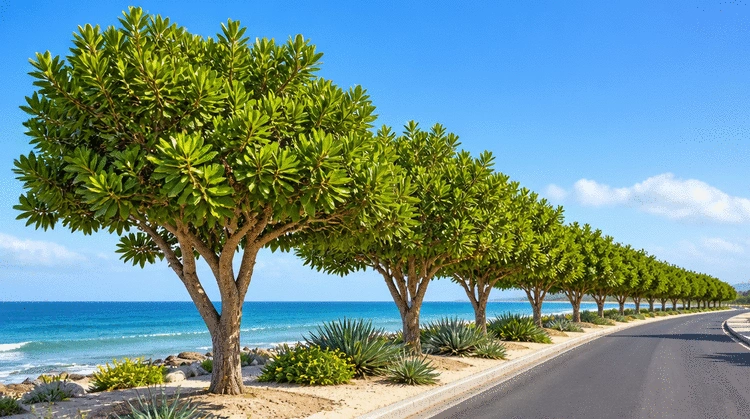
When we think about landscaping, especially in coastal and roadside areas, the importance of salt-tolerant trees cannot be overstated. Road salt and ocean spray can severely impact tree health, leading to unsightly landscapes and stressed plants. As a horticulturist, I’ve seen firsthand how choosing the right trees can enhance the beauty of our surroundings while ensuring that they thrive despite these challenges. Imagine walking along a vibrant waterfront or a neatly lined roadside, where the trees stand strong against the salt-laden winds!
Not only do salt-tolerant trees contribute to the aesthetic appeal, but they also play a crucial role in ecosystem health. Their roots help stabilize soils, reducing erosion, while their canopies provide shade and habitat. At Deep Roots Journal, we believe that by understanding the needs of our unique environments, we can create spaces that are both stunning and sustainable.
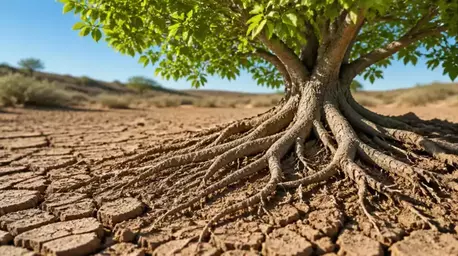
Salt can wreak havoc on plants, leading to leaf burn and ultimately, tree decline. This is especially true in areas where road salt is frequently used or where ocean spray can cause salt build-up in the soil. Trees that aren't adapted to these conditions struggle to survive, which can result in bare patches and diminished landscape appeal. But with the right salt-tolerant species, we can combat these challenges effectively! To learn more about maintaining overall tree health, explore our guide on essential tree care and landscaping.
For instance, species like the Eastern Red Cedar and Norway Maple are excellent choices that thrive under such conditions. They not only stand up to salt but also contribute to the overall health of the landscape. By planting these resilient species, we can ensure that our landscapes remain lush, vibrant, and full of life throughout the year.
Choosing the right location for planting is essential, as coastal and roadside environments present different challenges. Coastal planting often involves strong winds and high salinity levels, which require trees that can withstand these harsh conditions. Conversely, roadside planting may involve exposure to pollutants and compacted soil from traffic, making it vital to select trees that adapt well to these urban stresses.
Understanding your specific environment can help you make better choices. For example, trees near the ocean like the Southern Magnolia can adapt beautifully to salt spray, while species suited for roadsides, such as Ginkgo biloba, can tolerate both pollution and road salt. Each tree tells a story—one of survival and adaptation to its surroundings!
Here's a brief recap of the key points discussed so far:
When it comes to planting salt-tolerant trees, preparation is key! The right groundwork can significantly enhance your trees' chances of thriving, especially in challenging environments like coastal areas and roadside settings. As a horticulturist, I’ve learned that paying attention to the soil can make all the difference in establishing a robust landscape.
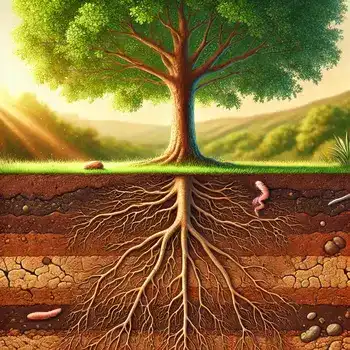
Before you even think about planting, consider how to optimize your soil for maximum salt tolerance. This means enriching your soil with organic matter such as compost or well-rotted manure, which can improve drainage and nutrient content. As you prepare your planting site, think about the following strategies: For more details on soil health, read our article on soil types for tree roots.
Once you’ve got a solid plan for soil improvement, focus on establishing a healthy environment for your trees. Proper soil preparation will not only help your trees withstand salt exposure but also promote deep root growth. Remember, stronger roots lead to more resilient trees! Here are some steps to consider:
By combining these techniques, you're setting the stage for a thriving landscape that can handle the salty challenge! And as always, don't hesitate to reach out to local experts or your community for additional insights on soil preparation.
Companion planting is a fantastic approach to creating vibrant, diverse landscapes! By choosing the right plants to grow alongside your salt-tolerant trees, you can enhance the overall health and beauty of your garden. For example, some plants naturally thrive in similar conditions and can provide benefits such as pest control or improved soil health. Learn more about how cover crops can enhance soil health and prevent erosion.
Here are a few plants that pair well with your chosen salt-tolerant trees:
By incorporating these companion plants, you not only create a more resilient landscape but also add layers of color and texture that will enhance your garden’s visual appeal. Plus, it’s a great way to engage with nature and observe how these plants interact over time!
Here is a quick recap of the important points discussed in the article:
Rowan Thorne
Horticulturist. Environmental advocate. Nature enthusiast.
Rowan Thorne brings years of hands-on experience in botany and root care, sharing practical tips and expert insights to help you nurture a thriving natural environment. Follow along at DeepRootsJournal.com for fresh, inspiring content that deepens your connection to the ecosystem.
Discover the intricate world of tree species, soil health, and root care through our expert insights. We are passionate horticulturists dedicated to helping you cultivate a thriving natural environment.