
Tree Protection Zone (TPZ)
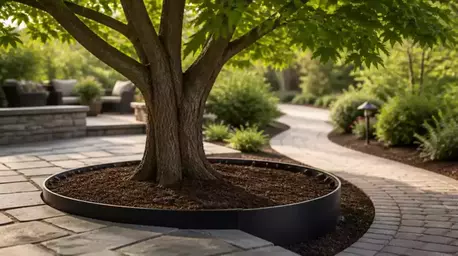
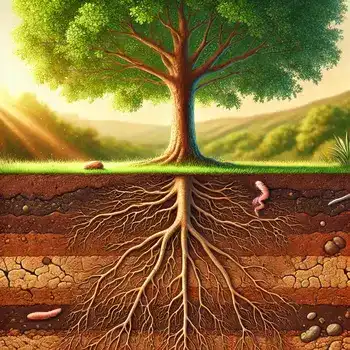
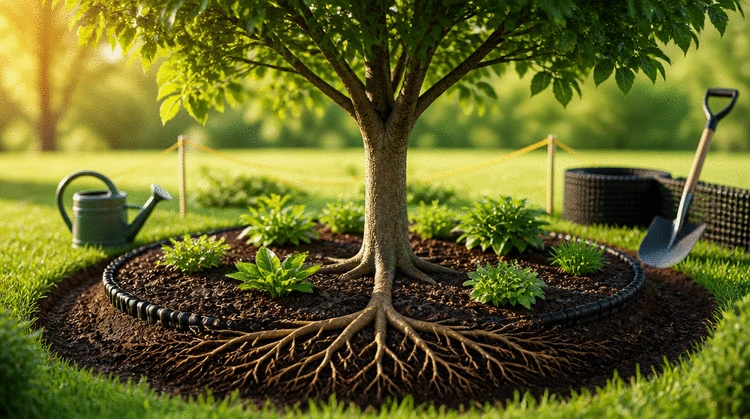
The designated area around a tree, meant to preserve its overall health and ecosystem. It is larger than the CRZ and provides a buffer for protecting the tree from external disturbances.
2026-05-06
In the world of landscaping and environmental management, understanding the nuances of root zone protection plans can be the key to maintaining tree health and fostering a balanced ecosystem. As the saying goes, "In nature, nothing exists alone," and this is particularly true when it comes to our trees.
Understanding the distinctions between Tree Protection Zone and Critical Root Zone is essential in tree management. For more details on protecting tree roots, check out our guide on protecting tree roots in construction.
The designated area around a tree, meant to preserve its overall health and ecosystem. It is larger than the CRZ and provides a buffer for protecting the tree from external disturbances.
This area focuses specifically on the roots that are crucial for the tree's stability and nutritional needs. It is smaller and directly relates to the vital root systems of the tree.
Protects the tree from physical damage and maintains soil integrity, enhancing the ecosystem and supporting local wildlife.
Ensures that the essential roots are undisturbed and can absorb nutrients and moisture, vital for the tree's survival in altered environments.
At Deep Roots Journal, we believe in the vital role that trees play in our environment. Understanding root zone protection plans is essential for anyone involved in landscaping, construction, or environmental management. These plans not only help maintain tree health but also foster a thriving ecosystem that benefits everyone!
Root zone protection involves measures that safeguard the area around a tree's roots, ensuring their health and stability. Knowing how to implement effective protection measures can make a significant difference in the long-term vitality of our trees.
To grasp the importance of root zone protection, we need to understand two critical concepts: the Tree Protection Zone (TPZ) and the Critical Root Zone (CRZ). The TPZ is the designated area around a tree that must be preserved, while the CRZ focuses specifically on the root systems that are crucial for the tree's stability and nutritional needs. Understanding these concepts is part of essential tree care and landscaping.
In essence, the TPZ is larger and includes the CRZ. Here’s a quick comparison to clarify:
Understanding these differences helps us develop effective strategies for protecting our trees, ensuring they flourish for years to come!
The intricate biology of root systems is fascinating and essential to tree health. Roots serve various functions, such as anchoring the tree, absorbing water and nutrients, and storing energy. Did you know that a tree’s roots can extend far beyond its canopy? This enables the tree to tap into a larger volume of soil for essential resources.
Here's a brief overview of how roots grow and function:
By understanding these functions, we can implement root zone protection plans that support healthy growth and resilience in our trees.
Environmental management plays a crucial role in root zone protection. Effective management strategies can create a balance between development and conservation, ensuring trees remain healthy amidst urban pressures. When land is cleared for construction, for example, it's vital to consider how this affects the surrounding tree ecosystems. For more on how soil conditions affect tree health, read about soil compaction's effect on roots.
To support root zone protection, consider these environmental management practices:
By adopting these practices, we can contribute to a healthier environment that benefits both trees and communities alike. At Deep Roots Journal, we are committed to sharing knowledge that helps gardeners, landscapers, and environmental advocates protect our invaluable tree populations!
Here's a brief recap of the key points discussed so far:
Here are some common questions about root zone protection and tree health:
After the construction dust settles, the journey of protecting our trees doesn’t end. In fact, it's just the beginning! At Deep Roots Journal, I believe that a proactive approach to monitoring can significantly impact the recovery and health of trees. Understanding how to effectively *monitor tree recovery* is crucial in ensuring that our green companions rebound and thrive in their altered environment. For advice on when to perform certain tree care tasks, refer to our tree root care schedule guide.
First and foremost, I recommend establishing a monitoring schedule to assess tree health regularly. This should include checking for signs of stress, such as leaf discoloration or reduced growth. Additionally, document any changes in the surrounding soil conditions, as the *health of the soil* is directly linked to root performance. Here are some key guidelines to follow:
When construction activities impact root zones, it can lead to various challenges for tree recovery. If you find your trees struggling after construction, don't worry! There are several effective *remediation techniques* to support their recovery. These methods aim to restore health and encourage the growth of strong root systems, which is essential for long-term vitality.
One common technique is the application of organic mulch around the tree base. This helps retain moisture, suppress weeds, and improve soil structure. Additionally, consider the following remediation techniques to further support your trees:
By combining these techniques with regular monitoring, you can give your trees the best chance at recovery. Remember, a healthy root system means a healthier tree overall!
One often-overlooked aspect of tree health post-construction is *invasive species control*. Invasive plants can compete with native species for nutrients, water, and space, creating additional challenges for recovering trees. As a horticulturist, I’ve seen firsthand how these invaders can hinder our efforts to restore a thriving ecosystem.
To effectively manage invasive species, here are some practical steps to incorporate into your restoration plans:
By prioritizing invasive species control, we can help our trees regain their footing and flourish in a healthier ecosystem. For more tips on maintaining healthy trees, explore our article on managing root care for trees.
Here is a quick recap of the important points discussed in the article:
Rowan Thorne
Horticulturist. Environmental advocate. Nature enthusiast.
Rowan Thorne brings years of hands-on experience in botany and root care, sharing practical tips and expert insights to help you nurture a thriving natural environment. Follow along at DeepRootsJournal.com for fresh, inspiring content that deepens your connection to the ecosystem.
Discover the intricate world of tree species, soil health, and root care through our expert insights. We are passionate horticulturists dedicated to helping you cultivate a thriving natural environment.