



- Root Care
- May 14
2026-05-02
Ever considered how your choice of trees can transform a wet landscape from a challenge into an opportunity? Understanding which species thrive in soggy soils can not only beautify your space but also enhance the ecosystem around you.
Exploring the essential factors for selecting tree species suited for wet soil conditions.
Prevents soil loss due to strong root systems that stabilize the soil during heavy rains.
Helps regulate moisture levels, reducing the risk of flooding in surrounding areas.
Enhances biodiversity by supporting various plant and animal life in wet environments.
Special care is needed in flood-prone areas to ensure plant health and survival.
When it comes to landscaping, wet and boggy soils can present a unique set of challenges. Plants may struggle to grow in these conditions because of too much water, which can lead to root rot and poor nutrient absorption. Additionally, the types of trees and plants that thrive are often limited, making it essential to understand the right choices for such environments. At Deep Roots Journal, we recognize that choosing suitable trees for wet soils not only enhances beauty but also helps in managing water effectively. For more insights on selecting the best trees, consider our guide on selecting trees for your garden.
Landscaping in areas with wet soil requires careful thought. Many homeowners may find their options restricted, but selecting the right tree species can turn a challenging situation into an opportunity. Trees that can tolerate soggy conditions often develop stronger root systems and help improve soil health. Understanding these dynamics is crucial for creating a vibrant landscape that thrives despite the challenges presented by wet soils.
Wet soils impact landscaping choices significantly. For instance, traditional landscaping trees may not survive in saturated conditions, leading to wasted time and resources. This is where understanding *tree species* and their specific soil preferences becomes vital. By planting trees that naturally thrive in wet environments, you'll not only save effort but increase the chance of developing a lush, green space.
Moreover, knowing how wet soil affects drainage can help homeowners make informed decisions about their landscaping. Picking the right trees not only enhances aesthetic appeal but also aids in creating a robust ecosystem that supports various plant and animal life! For those looking to understand root health better, exploring resources on identifying and preventing root rot can be particularly useful.
Choosing the right tree species for wet soils comes with numerous benefits. One of the most significant advantages is erosion control. Trees with strong, expansive root systems can help stabilize the soil, preventing it from washing away during heavy rains. Additionally, these trees play a vital role in water management, as they absorb excess moisture and reduce the risk of flooding in the surrounding areas.
Moreover, flood-tolerant trees contribute to improved air quality and provide shade, making them a versatile choice for any garden or landscape. By planting trees that are suited for wet conditions, you not only enhance your garden’s resilience but also contribute positively to your local environment. It’s a win-win situation for both nature and your landscaping goals!
When planting in wet soils, consider incorporating a rain garden. This specialized garden design not only accommodates excess water but also supports native plants and enhances biodiversity. By choosing a variety of flood-tolerant species, you can create a dynamic ecosystem that thrives in challenging conditions while beautifying your landscape!
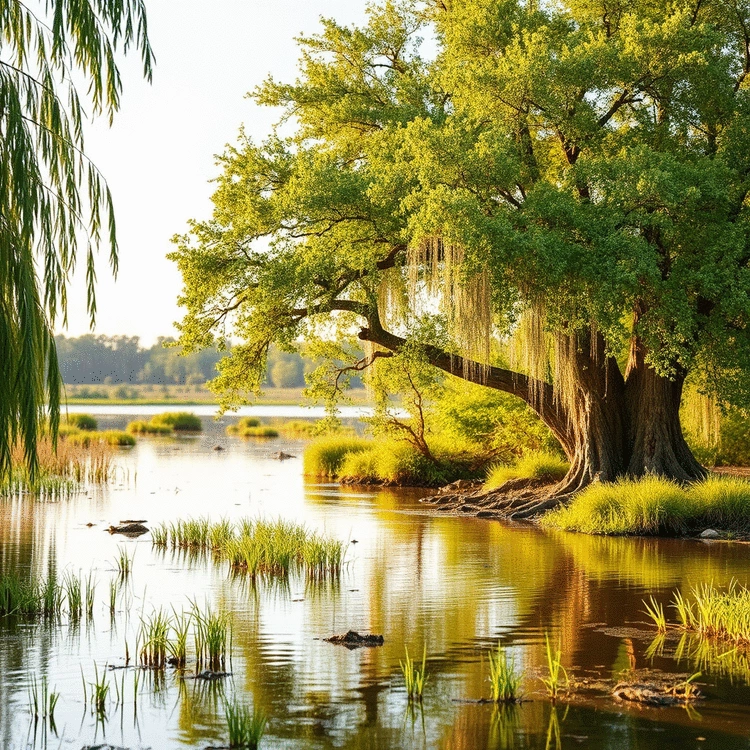
When considering landscape design around your home, the inclusion of willow trees can be both exciting and daunting. These beautiful trees are known for their graceful appearance and ability to thrive in wet conditions, but they do come with some potential risks. One main concern is their extensive root systems, which can reach far and wide, potentially impacting nearby structures and plumbing systems.
However, with careful planning, you can successfully plant willows near your home! Here are a few key considerations:
Planting willows can create beautiful, shaded areas in your yard, but it's important to be mindful of their needs and characteristics. When properly managed, these trees can provide a stunning backdrop for any garden! To learn more about managing root systems, check out our guide on pruning tree roots for health.
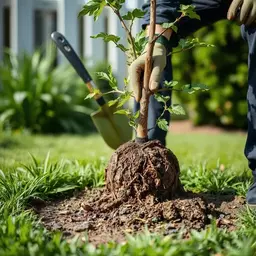
Planting trees in wet or poorly drained soils can be a challenge, but with the right strategies, you can ensure successful growth. Here are some best practices to keep in mind when planting in these tricky conditions:
With these tips, you’ll be better equipped to cultivate a lush and thriving landscape in wet areas. Don't hesitate to experiment and see which species work best for your unique environment!
In summary, choosing the right tree species for wet soils is essential for creating a vibrant landscape. From the resilient Bald Cypress to the elegant Willow, each tree provides unique benefits that enhance our natural surroundings.
As you embark on your gardening journey, I encourage you to consider flood-tolerant trees in your landscaping projects. Remember, each tree you plant contributes to a healthier ecosystem! For further resources and detailed guides, don’t hesitate to explore more on Deep Roots Journal, including essential tree care and landscaping. Together, we can nurture our environment and build a beautiful landscape for generations to come.
Here is a quick recap of the important points discussed in the article:
Rowan Thorne
Horticulturist. Environmental advocate. Nature enthusiast.
Rowan Thorne brings years of hands-on experience in botany and root care, sharing practical tips and expert insights to help you nurture a thriving natural environment. Follow along at DeepRootsJournal.com for fresh, inspiring content that deepens your connection to the ecosystem.
Discover the intricate world of tree species, soil health, and root care through our expert insights. We are passionate horticulturists dedicated to helping you cultivate a thriving natural environment.