

- Tree Species
- Jan 13
2025-12-07
In the world of woodworking, the choice of tree species is not just a matter of preference—it's a pivotal decision that can influence the durability, aesthetics, and sustainability of your projects. From hardwoods to softwoods, each type of wood offers unique characteristics that can transform your work. Understanding these differences is essential not only for crafting beautiful pieces but also for making responsible choices that benefit both the environment and your craft.
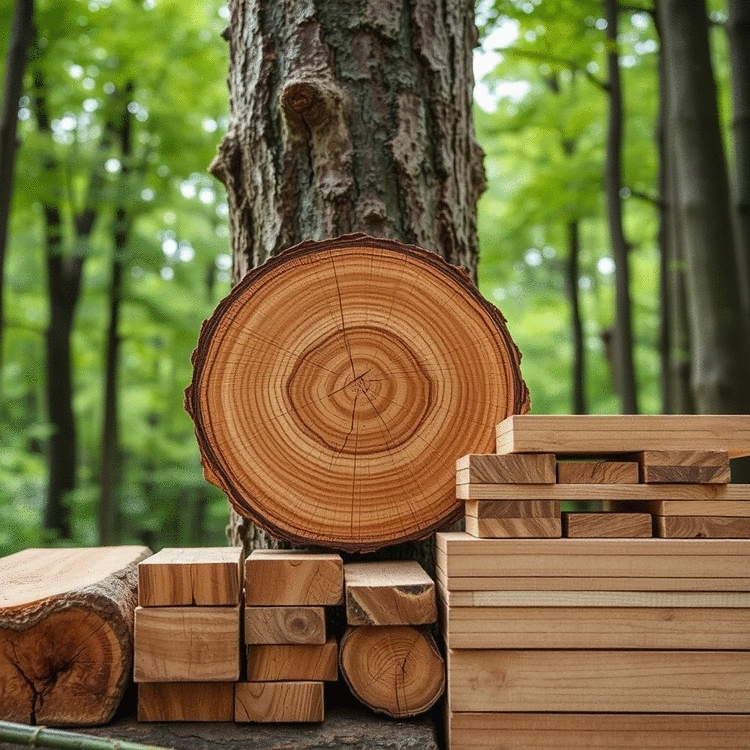
Understanding the key differences between hardwoods and softwoods is essential for making informed lumber choices. Essential tree care and landscaping often starts with knowledge of various wood types and their properties.
- Come from deciduous trees.
- Denser structure, ideal for durability.
- Commonly used in furniture and flooring.
- Sourced from coniferous trees.
- Grow faster, more abundant.
- Often used in construction framing.
- Hardwoods offer greater longevity.
- Softwoods are lighter and easier to handle.
- Hardwoods typically higher priced.
- Softwoods are often more cost-effective.
When it comes to lumber production, the type of tree species plays a crucial role in determining the quality and application of the wood. Each species brings unique characteristics to the table, influencing everything from strength and durability to aesthetic appeal. At Deep Roots Journal, I believe that understanding these connections can deepen our appreciation for the resources we use and help us make informed choices for our projects.
In the timber industry, choosing the right tree species can significantly impact production efficiency and the final product's performance. Whether you’re a seasoned professional or just starting your woodworking journey, knowing the specific benefits of different tree species helps in selecting materials that meet your needs. For instance, hardwoods are often favored for their durability, while softwoods may be chosen for their workability and cost-effectiveness.
The importance of tree species in the timber industry cannot be overstated. Various species provide distinct benefits, making them suitable for specific applications. The right choice of tree species goes beyond immediate project needs; it can influence sustainability efforts, market demand, and environmental impact. For more insights into species selection, consider learning about selecting trees for your area.
Here are some key reasons why the choice of tree species matters:
In the world of lumber, we often categorize trees into two main groups: hardwoods and softwoods. This distinction helps us understand their general properties and uses. While both types of wood have their advantages, they serve different purposes based on their unique characteristics.
So, what’s the difference? Here’s a quick overview:
Understanding the distinction between hardwoods and softwoods allows us to make informed decisions about which lumber to use in our projects. At Deep Roots Journal, I encourage you to explore these options and consider how they can enhance your work, be it in your own garden or as part of a larger project. For more on this, you might be interested in tree species growth habits explained.
Here's a brief recap of the key points discussed so far:
Hardwoods come from deciduous trees that lose their leaves annually and typically have a denser structure, making them durable for furniture and flooring. Softwoods come from coniferous trees, grow faster, are more abundant, and are often used in construction framing due to their lighter weight and ease of handling.
The right tree species affects a project's durability, workability, cost, and aesthetic appeal. Different woods offer varying levels of strength, ease of shaping, price points influenced by availability, and unique grain patterns or colors that enhance design.
You can deepen your knowledge by reading books on botany and woodworking, taking online courses, visiting local lumber yards for firsthand information, and participating in community workshops to gain practical skills.
Sustainable practices include choosing certified wood from sustainably managed forests, supporting local suppliers to reduce transportation emissions, and educating others about responsible sourcing and environmental impacts.
Engaging with the lumber community allows you to share insights, ask questions, and learn from experienced professionals. This can involve attending workshops, joining online forums, and following industry leaders to gain valuable advice and inspiration.
When considering the world of lumber production, it's crucial to recognize the importance of choosing the right wood species. Different tree species not only offer unique aesthetics but also varying structural properties that can affect the outcome of your projects. Whether you’re crafting furniture or constructing a home, understanding these characteristics can help you make informed decisions that enhance both durability and beauty.
In the realm of hardwoods, species like oak and maple provide exceptional strength and versatility, making them favorites in flooring and furniture. On the softwood side, pine and cedar are popular for their affordability and aesthetic charm. Knowing the specific qualities of each type allows you to select the most suitable material for your needs, which is essential in both residential and commercial applications.
Choosing the appropriate wood species can significantly impact the performance and longevity of your projects. Here are several key factors to consider:
At Deep Roots Journal, we aim to empower our readers with the knowledge needed to navigate these choices, ensuring that your lumber selections align with your project goals. It’s all about connecting with the right materials, and each wood species tells its own story that can contribute to the overall narrative of your work.
For those eager to deepen their understanding of tree species and lumber production, there are numerous resources available. Here are some valuable sources to explore:
By utilizing these resources, you can elevate your lumber knowledge and connect with others who share your passion for sustainable practices. It’s an exciting journey that transforms how we view the materials in our surroundings!
Engaging with the lumber community is essential for anyone passionate about woodworking and environmental sustainability. Building connections allows you to share insights, ask questions, and learn from experienced professionals. Deep Roots Journal encourages our readers to become active participants in this thriving community!
When diving into the world of lumber, seeking expert advice can be incredibly beneficial. Here are some ways to connect with knowledgeable individuals:
The stories and testimonials from these experts can inspire you and help you navigate challenges in your projects. Often, their experiences resonate with your journey, making their advice even more relevant. Consider exploring managing root care for trees for a deeper dive into the health of your wooden resources.
As we engage with the community, it's important to advocate for sustainable practices in lumber use. Here are some strategies to consider:
By taking these steps, we can all contribute to a more sustainable future while enjoying the beauty of lumber and the craftsmanship it inspires. The journey continues as we nurture our connections with nature and each other, creating a brighter tomorrow for generations to come. For more on environmentally friendly choices, read about native trees for sustainable landscapes.
Here is a quick recap of the important points discussed in the article:
Rowan Thorne
Horticulturist. Environmental advocate. Nature enthusiast.
Rowan Thorne brings years of hands-on experience in botany and root care, sharing practical tips and expert insights to help you nurture a thriving natural environment. Follow along at DeepRootsJournal.com for fresh, inspiring content that deepens your connection to the ecosystem.
Discover the intricate world of tree species, soil health, and root care through our expert insights. We are passionate horticulturists dedicated to helping you cultivate a thriving natural environment.