



- Tree Species
- Nov 08
2026-07-15
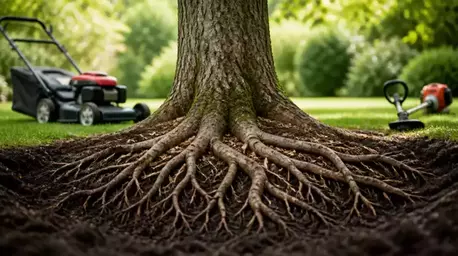
What if I told you that the health of your garden's trees is intricately tied to their exposed roots? These roots, while often seen as a nuisance, are vital players in our ecosystem. Protecting them is essential for nurturing a vibrant and resilient garden.
Understanding the risks associated with exposed tree roots and the best practices for their care is vital for maintaining healthy trees. For further insights into overall tree wellness, explore essential tree care and landscaping techniques.
As a passionate horticulturist, I often find myself in awe of the intricate lives that thrive beneath the surface of our gardens. Exposed tree roots not only tell a story of resilience but also come with their own set of challenges. Protecting these roots is vital for the overall health of the tree, and understanding their risks can make all the difference in nurturing a thriving ecosystem.
Exposed roots can become vulnerable to various threats, such as environmental stressors, pests, and even physical damage. This is why it’s essential for gardeners and tree lovers alike to recognize the signs of surface roots and take proactive measures to safeguard them. Let's dive deeper into identifying these roots and the risks they face!
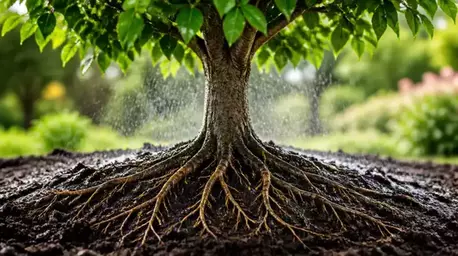
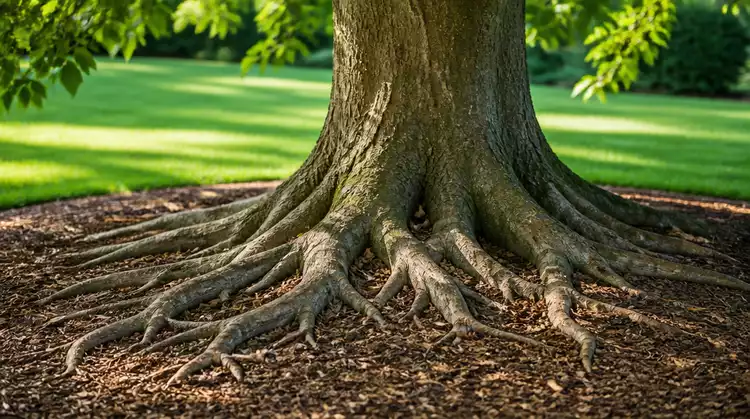
First things first, how do we identify exposed roots? Generally, these roots are visible above the soil, often protruding due to erosion, soil compaction, or even the natural growth of the tree. Their presence can indicate a need for care, as they may not be receiving the nutrients and protection they require. To learn more about how soil conditions can impact trees, read about soil compaction's effect on roots. Here are some common risks associated with exposed roots:
It's essential to monitor these risks closely. Ignoring the health of exposed roots can lead to long-term consequences for your trees, making it crucial to take action when you notice them.
One of the most significant dangers is the misconception that cutting surface roots can solve problems like overcrowding or poor aesthetics. In reality, cutting these roots can have devastating effects on the tree. This includes:
Ultimately, understanding the consequences of cutting surface roots emphasizes the need for careful management and protection of these vital structures.
Now, let's explore what causes these roots to surface in the first place. There are several factors that can lead to exposed roots, including:
Recognizing these causes is the first step in preventing root exposure. By understanding what leads to this issue, we can take proactive measures to enhance soil health and protect our trees. Remember, at Deep Roots Journal, we aim to empower you with knowledge that fosters a thriving natural environment!
Did you know? Regularly aerating the soil around your trees not only promotes better air and water movement but also helps in reducing soil compaction, which is a major cause of exposed roots. Incorporating organic matter like compost can further enhance soil structure, providing a more nourishing environment for your tree’s roots to thrive!
When caring for trees, especially those with exposed roots, understanding what *not* to do is just as important as knowing the right practices. Many gardeners, including myself, may unintentionally harm these vital root systems. Protecting our trees requires vigilant awareness of how we interact with these roots to ensure they thrive for years to come.
One of the biggest mistakes I’ve seen is the temptation to bury exposed roots under layers of soil or mulch. While it seems like a good way to hide them, this practice can lead to significant problems, including suffocation of the roots. Let’s take a closer look at the critical warnings and the damages that can result from improper root management.
Burying tree roots beneath soil can lead to a condition known as *topsoil suffocation*. When roots are covered, they struggle to access the air, water, and nutrients they need to grow. This can stunt a tree's growth or even lead to its premature decline.
Moreover, buried roots can become targets for fungal infections and pests, further weakening the tree. It’s crucial to be mindful of how much soil is around your tree roots, as too much can be just as harmful as too little! For more information on preventing common root issues, see our guide on identifying and preventing root rot.
To make tree care simpler, I find that a "Do vs. Don't" comparison can be handy. It summarizes key actions to take or avoid for healthy root maintenance. Remember, making informed decisions will help ensure that your tree continues to thrive!
| Do | Don't |
|---|---|
| Water deeply but infrequently. | Overwater or flood the roots. |
| Use mulch sparingly to protect roots. | Bury roots under excessive mulch or soil. |
| Observe the tree for signs of stress. | Ignore changes in health or growth patterns. |
One important aspect of tree care that I often think about is the timing of watering and mulching. Seasonality can play a role in how we approach these tasks, ensuring roots are supported appropriately through various weather conditions.
Healthy soil is fundamental to the stability of your tree's roots. Unfortunately, many homeowners overlook the significance of soil health in their gardening efforts. Inadequate soil conditions, such as compaction, can severely affect root growth and overall tree strength.
It's fascinating how soil compaction can occur from simple activities like foot traffic or heavy machinery. When soil is compacted, it limits root expansion and can lead to shallow, weak growth. By focusing on maintaining optimal soil conditions, we create a healthier environment for our trees.
The role of organic matter in enhancing soil structure cannot be overstated. It’s like giving our trees a solid foundation to grow strong and resilient. Consider incorporating compost into your soil routine; it’s a simple yet effective way to boost the overall health of your tree!
As we reflect on the importance of protecting our trees’ roots, let’s consider some best practices that can help us prevent future issues. Healthy roots are crucial for a tree’s longevity, and by being proactive, we can ensure they receive the care they need. Dive deeper into strategies for encouraging healthy root development to further strengthen your trees.
Remember, engaging with a professional arborist for guidance can be invaluable. They possess the expertise to assess your trees and provide personalized recommendations tailored to your specific environment. If you're looking for expert advice, feel free to reach out to us at Deep Roots Journal; we're here to help!
Lastly, let’s encourage safe practices among homeowners and garden enthusiasts. By sharing resources and fostering a community of informed caretakers, we can ensure that our trees continue to flourish for generations to come!
Here is a quick recap of the important points discussed in the article:
Rowan Thorne
Horticulturist. Environmental advocate. Nature enthusiast.
Rowan Thorne brings years of hands-on experience in botany and root care, sharing practical tips and expert insights to help you nurture a thriving natural environment. Follow along at DeepRootsJournal.com for fresh, inspiring content that deepens your connection to the ecosystem.
Discover the intricate world of tree species, soil health, and root care through our expert insights. We are passionate horticulturists dedicated to helping you cultivate a thriving natural environment.