

- Root Care
- Oct 30
2026-06-27
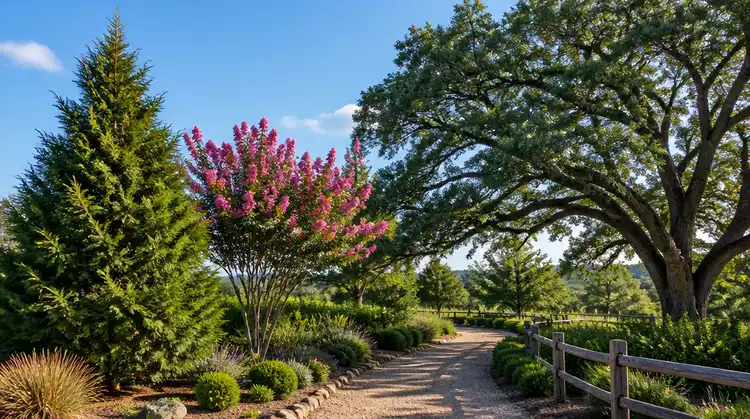
Consider this: the right tree selection can significantly reduce wildfire risks and create a safer environment for your home and community. By understanding the importance of fire-resistant tree species, you can make informed decisions that enhance both beauty and safety in your landscape.
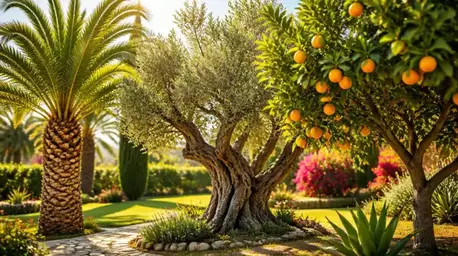
The effectiveness of tree species in enhancing landscape safety varies significantly based on their fire resistance and drought resistance. Building a resilient landscape often involves selecting trees for your garden with an eye toward both these qualities. Below is a visual comparison highlighting key characteristics of these two categories of trees.
When thinking about creating a beautiful but safe landscape, it’s essential to consider fire-resistant tree species. These trees not only enhance the beauty of your garden but also offer vital protection against wildfires. At Deep Roots Journal, we believe that understanding the role of these trees can significantly impact the safety and resilience of your outdoor spaces.
Fire-resistant trees play a crucial role in mitigating wildfire risks. By incorporating these species into your landscape, you're contributing to a safer environment not just for your family, but for the entire community. Have you ever thought about how your garden choices can influence fire safety? It’s fascinating to realize that the right tree selections can act as a buffer against flames!
One of the primary benefits of fire-resistant trees is their ability to slow the spread of flames. They typically feature dense foliage and higher moisture content, which helps to reduce the risk of ignition. Moreover, these trees can often withstand heat and are designed to thrive in areas prone to wildfires. For insights into general tree health, read more about essential tree care and landscaping.
Moisture content is an essential factor in determining a tree's fire resistance. Trees that are well-hydrated are less likely to catch fire, making them key players in fire-safe landscaping. Additionally, some tree species produce natural resins that further enhance their fire-resistant qualities, acting like a shield against flames.
This is why it's crucial to choose trees with these characteristics for your garden. As someone who has spent years studying the interactions between trees and their environments, I can assure you that nurturing these species can lead to a healthier, more resilient landscape.
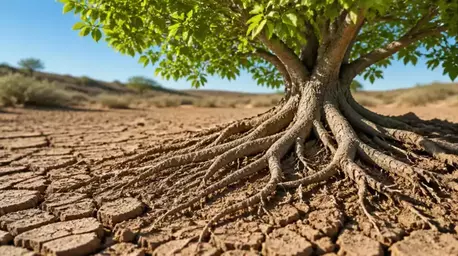
Drought-resistant trees are another important aspect of fire-safe landscaping. These trees are specially adapted to survive in low-water conditions, which is particularly valuable in fire-prone areas. Have you considered how drought resistance might contribute to your landscape's overall safety and health?
Drought-resistant trees often have deep root systems that allow them to access moisture underground, making them well-suited for areas with limited rainfall. By integrating these species into your garden, you can create a sustainable landscape that not only withstands drought but also helps reduce fire risks. Learning about watering techniques for tree roots can further enhance their resilience.
Incorporating drought-resistant species into your landscape offers many advantages. Not only do they demand less water, but they also help create a balanced ecosystem. This resilience can be instrumental in fire prevention, as healthier trees are less likely to become fuel for wildfires.
As I explore these connections through my work at Deep Roots Journal, I find that understanding and implementing these principles can truly make a difference in our landscapes and communities.
When selecting trees for fire safety, it's also important to consider the differences between deciduous and coniferous trees. Each type has unique characteristics that affect fire risk, and knowing these can help you make informed decisions for your landscape.
Deciduous trees, like oaks and maples, shed their leaves in the fall, which helps to reduce fuel loads during fire season. They also tend to have higher moisture content compared to conifers, making them less likely to ignite. This characteristic can be incredibly beneficial in creating a safe landscape.
On the other hand, coniferous trees like pines and spruces have needle-like leaves that can easily catch fire. Their resinous nature can also contribute to their flammability, which is why it's essential to be cautious when planting these species in fire-prone areas. However, proper management and spacing can mitigate their risks!
As we think about the best tree choices for our landscapes, it's evident that knowledge is power. By making informed decisions, we not only enhance the beauty of our gardens but also contribute to safer environments for ourselves and future generations.
Did you know? Choosing the right tree species for your landscape not only enhances fire safety but also contributes to biodiversity. Incorporate a mix of native fire-resistant trees and drought-resistant species to create a thriving ecosystem that supports local wildlife while protecting your property from wildfires.
As we wrap up our discussion on fire-resistant trees, it's clear that these plants play a vital role in creating safer landscapes. Not only do they help mitigate the risk of wildfires, but they also contribute to the overall health of our gardens and ecosystems. At Deep Roots Journal, we believe that understanding the benefits of these species is essential for anyone looking to cultivate a resilient and beautiful environment.
By choosing the right fire-resistant trees and incorporating them into your landscaping plan, you can enhance safety while maintaining aesthetic appeal. It’s important to remember that the benefits extend beyond mere fire resistance; these trees also offer shade, improve air quality, and provide habitats for local wildlife. So, let’s recap some key strategies to foster a fire-safe landscape!
Choosing fire-resistant trees according to your specific region is crucial. Each environment presents unique challenges, and the right species can make all the difference in creating a safe zone. Here are some considerations when selecting trees:
In addition to selecting the right species, integrating maintenance and safety practices is essential. Regular upkeep will not only keep your trees healthy but also reduce fire hazards. Here are some practices to include in your routine:
Now that we’ve explored the importance of fire-resistant trees, it’s time to take action! Transforming your landscape into a fire-safe oasis starts with a few simple steps. Don’t hesitate to reach out to local experts who can provide personalized advice tailored to your specific needs.
Consulting local arborists can be incredibly valuable. They possess the knowledge of which species thrive in your area and how to care for them properly. Whether you’re a seasoned gardener or just starting, their insights can guide you in making informed choices. Here are some steps to consider:
In addition, engaging with community resources focused on wildfire safety can provide further support. Many areas offer workshops, informational sessions, and even grants to assist with creating fire-safe environments. By connecting with these resources, you empower yourself and your community to take proactive steps toward fire safety, and learning about the benefits of native tree planting can further enhance these efforts.
Together, we can foster a safer environment for our families and our planet! By investing in fire-resistant tree species and adopting sustainable practices, we contribute to a landscape that thrives in the face of challenges. Let’s protect our natural world for future generations, one tree at a time! For more details on maintaining overall tree health, consider exploring managing root care for trees.
Here is a quick recap of the important points discussed in the article:
Rowan Thorne
Horticulturist. Environmental advocate. Nature enthusiast.
Rowan Thorne brings years of hands-on experience in botany and root care, sharing practical tips and expert insights to help you nurture a thriving natural environment. Follow along at DeepRootsJournal.com for fresh, inspiring content that deepens your connection to the ecosystem.
Discover the intricate world of tree species, soil health, and root care through our expert insights. We are passionate horticulturists dedicated to helping you cultivate a thriving natural environment.