
Characteristics of Ideal Trees
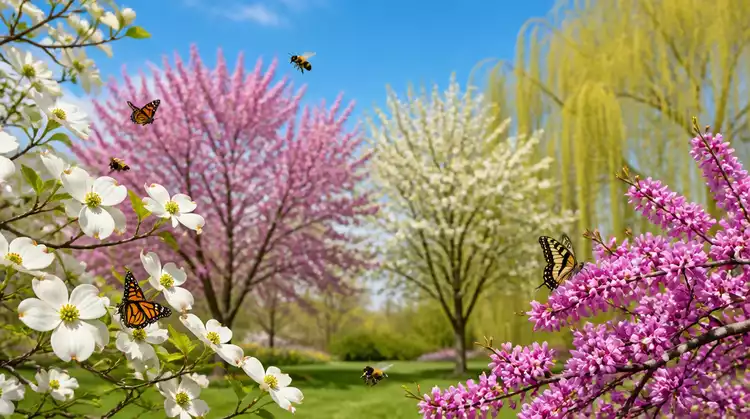
- Flowering periods that coincide with pollinator activity.
- Varied bloom colors and shapes to attract diverse species.
- Fruit or seed production for food sources.
2026-07-08
What if the key to a vibrant garden isn’t just the flowers and vegetables, but the trees that stand tall beside them? As we explore the importance of trees in pollinator-friendly gardens, you'll discover how vital these giants are in nurturing the ecosystem and attracting essential pollinators. Let’s delve into their benefits and how you can incorporate them into your gardening efforts!
Choosing the right trees significantly impacts pollinator success and biodiversity in your garden. Below are key takeaways that highlight the characteristics of suitable tree species. To learn more about selecting the best options for your space, explore our guide on selecting trees for your garden.
Planting trees that bloom at different times ensures a consistent nectar source for pollinators.
When we think of gardens, we often picture colorful flowers and lush greenery, but have you ever considered the vital role that trees play in creating a thriving ecosystem? Trees are not just beautiful; they are essential for supporting pollinators like bees, butterflies, and birds. By understanding how trees contribute to a pollinator-friendly garden, we can make informed choices that help our gardens flourish while benefiting these important creatures.
Pollinators are the unsung heroes of our gardens. They help plants reproduce by transferring pollen, which is essential for fruit and seed production. Without them, many species would struggle to survive, leading to a decline in biodiversity. Think about the fruit you enjoy, like apples or blueberries—without pollinators, we would see a significant reduction in their availability!
Pollinators are crucial for maintaining healthy ecosystems. They not only support plant reproduction but also contribute to the stability of food webs. For instance, many animals rely on the fruits and seeds produced by flowering plants. By nurturing pollinators in our gardens, we are also nurturing the entire ecosystem around us. Understanding the benefits of native tree planting further emphasizes this ecological connection.
Here are some key roles that pollinators play:
Trees offer a wealth of benefits for pollinators. They provide habitats, food sources, and shelter that enhance the overall health of our gardens. By incorporating trees into our pollinator-friendly spaces, we create a welcoming environment for these essential creatures.
Some of the significant benefits trees provide include:
Choosing the right trees for your garden can significantly impact pollinator success. Not all trees are created equal when it comes to supporting these vital species. Understanding which trees provide the best resources for pollinators will empower you to create a flourishing habitat.
Several tree species are particularly well-suited for attracting pollinators. By selecting these trees, you can enhance the beauty and ecological value of your garden. Consider trees like:
When selecting trees for your pollinator garden, look for those that offer abundant flowers and fruit. Ideal trees should also be resilient to local pests and diseases, ensuring they can thrive without much intervention. Remember, a healthy tree contributes to a stable environment for our buzzing friends! For more insights on ensuring your trees thrive, explore our guide on essential tree care and landscaping.
Some characteristics to consider include:
Native trees are often the best choice for supporting local pollinator populations. These trees have co-evolved with native bees and other pollinators, making them essential for a balanced ecosystem. By planting native trees, you not only promote biodiversity but also help preserve the unique characteristics of your local environment.
Incorporating native trees into your garden can yield significant benefits:
At Deep Roots Journal, we believe that understanding these connections is key to fostering a thriving natural environment. By selecting the right trees and nurturing our pollinators, we can create gardens that not only look beautiful but also play a vital part in the ecosystem!
Did you know? Incorporating a variety of flowering tree species can significantly enhance your garden's appeal to pollinators! Aim to plant trees that bloom at different times throughout the seasons. This strategy ensures a continuous nectar source, supporting pollinator health and activity all year round.
Creating a pollinator-friendly garden is a rewarding endeavor that contributes significantly to the health of our ecosystem. At Deep Roots Journal, I believe that selecting the right trees is crucial for attracting and supporting various pollinator species. By focusing on a few key practices, you can make a meaningful difference in your garden and beyond!
When it comes to tree selection, it's important to consider the specific needs of pollinators. Here are some key takeaways to keep in mind:
Throughout this journey in understanding pollinator-friendly gardens, we’ve highlighted several effective tree species. Trees like Flowering Dogwood, Serviceberry, and various fruit trees are all excellent choices. Each of these species brings unique benefits that help create a thriving environment for pollinators.
For continuous support, seasonal bloomers like the Red Maple and Eastern Redbud provide early spring nourishment, while Sumac and Basswood keep the nectar flowing in summer. Don't forget about the mighty Oak trees, which are champions for biodiversity!
Seasonal diversity plays a significant role in maintaining a healthy pollinator population. By planting trees that bloom at various times, we ensure that pollinators have a constant food source throughout the year. This approach not only supports their survival but also promotes the overall health of our gardens.
Consider creating a bloom calendar to track when your trees flower. This simple tool can help guide your planting strategy and allow you to plan accordingly, ensuring that your garden remains a haven for pollinators!
Diverse plantings have a profound impact on local pollinator populations. By incorporating a variety of plants and trees, you're creating a habitat that supports a wider range of species. This not only enhances the ecological balance in your garden but also makes for a more vibrant landscape!
At Deep Roots Journal, I advocate for sustainable gardening practices that nurture our environment. By focusing on native species and creating diverse ecosystems, we can contribute to healthier pollinator communities. To further enhance your garden's health, consider practices like enhancing roots with natural fertilizers.
Now is the perfect time to get started on your pollinator garden! Gather the recommended tree species we discussed, and think about how you can incorporate them into your space. Remember, every small action counts when it comes to supporting our essential pollinators!
As you embark on this journey, consider connecting with fellow gardening enthusiasts or local community groups. Sharing experiences and insights can enhance your gardening practice and contribute to a larger movement of sustainability.
Incorporating both native and pollinator species into your gardening strategy is essential for fostering a rich ecosystem. Native trees and plants are adapted to local conditions, providing the ideal environment for pollinators to thrive. This connection not only enriching your garden but also promotes a healthier environment overall. Learning about native trees for sustainable landscapes can be a great starting point.
Let’s celebrate our local flora and fauna by creating spaces that support biodiversity. Join me at Deep Roots Journal as we explore and implement sustainable practices that encourage pollinator-friendly gardens—together, we can make a meaningful impact!
Here is a quick recap of the important points discussed in the article:
Rowan Thorne
Horticulturist. Environmental advocate. Nature enthusiast.
Rowan Thorne brings years of hands-on experience in botany and root care, sharing practical tips and expert insights to help you nurture a thriving natural environment. Follow along at DeepRootsJournal.com for fresh, inspiring content that deepens your connection to the ecosystem.
Discover the intricate world of tree species, soil health, and root care through our expert insights. We are passionate horticulturists dedicated to helping you cultivate a thriving natural environment.