
Oxygen's Role in Root Health
Oxygen is essential for:
- Energy Production
- Nutrient Uptake
- Growth Regulation
2026-08-30
Have you ever thought about how vital oxygen is for the roots of trees? Just like us, trees depend on oxygen for their survival, making it essential for their growth and health. This article delves into the critical role oxygen plays in root health and how we can ensure that our trees thrive in their environments.
Understanding the necessity of oxygen for tree roots is critical for ensuring their health and growth. Below is a summarized visual representation of the main points discussed in the article.
Oxygen is essential for:
Key factors affecting oxygen availability in roots:
Types of roots and their functions:
Effects of soil type on oxygen flow:
Have you ever paused to consider how vital oxygen is for tree roots? Much like us, trees rely on oxygen for their survival. It plays a crucial role in root health and respiration, which ultimately supports the entire tree's growth and vitality.
Oxygen is essential not just for the roots but for the processes they undergo. Through respiration, roots convert sugars produced in the leaves into energy. This energy fuels their growth, development, and the absorption of water and nutrients from the soil. Without a sufficient supply of oxygen, roots struggle to thrive, leading to overall tree health issues. For more details on maintaining overall tree health, consider exploring essential tree care and landscaping practices.
When it comes to root health, oxygen serves as the lifeblood. It’s essential for the biochemical processes within the roots. These processes include energy production and nutrient uptake, both of which are essential for the tree's well-being.
This healthy respiration not only empowers roots but also strengthens the tree’s resilience against environmental stresses. By ensuring good oxygen levels, we support trees in withstanding challenges they may face.
The connection between soil aeration and oxygen availability is intricate. Well-aerated soil allows oxygen to reach the roots effectively. If the soil is compacted or poorly drained, oxygen levels can plummet, putting the roots at risk.
At Deep Roots Journal, I often emphasize the importance of maintaining healthy soil conditions. Regularly checking soil aeration can help ensure that your trees receive the oxygen they need to thrive. Keeping an eye on these factors, and understanding how soil compaction affects roots, can lead to a healthier, more robust root system, ultimately benefiting the overall vitality of your trees.
Understanding the structure of tree roots is crucial for appreciating their need for oxygen. The way roots grow and expand significantly impacts their ability to access oxygen. A well-developed root system is better equipped to absorb nutrients and moisture, making oxygen availability even more critical.
Let’s dive deeper into how the structure of roots affects their health and growth, shall we?
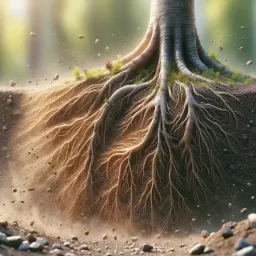
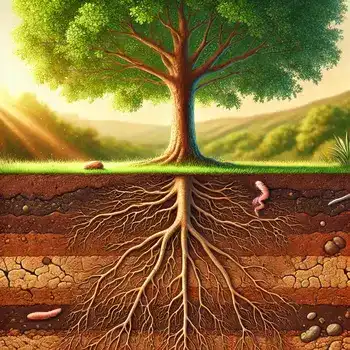
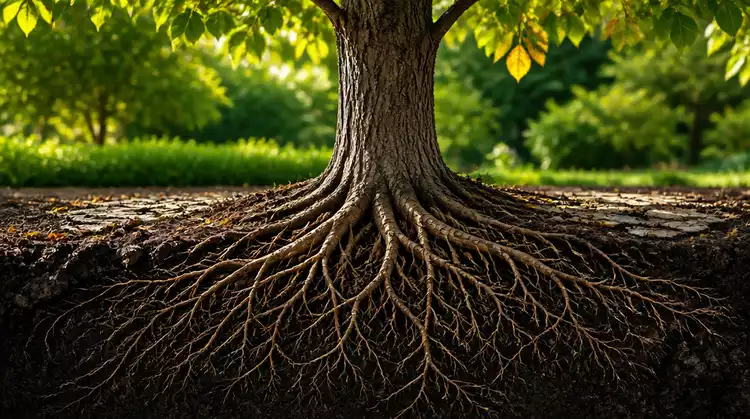
The structure of a root system is fascinating! Roots can be divided into primary roots and lateral roots, each playing a role in accessing oxygen and nutrients. The primary root grows deep, while lateral roots spread out to capture more resources. This dual approach helps maximize oxygen absorption.
Ultimately, a tree’s success is closely tied to the efficiency of its root system. When we understand this, we can take steps to improve their environment and ensure they have the best chance to thrive, including methods for encouraging healthy root development.
Soil permeability is another critical factor in root oxygenation. Soil must have the right texture and structure to allow air to flow. Compacted or clay-heavy soils can hinder this process, making it difficult for roots to access the oxygen they need.
As I explore various soil types, I’m reminded of the importance of choosing suitable soils for planting. By enhancing soil permeability through amendments, we can create a thriving environment for tree roots, ensuring they receive the oxygen necessary for robust growth. This also aligns with principles of aerating soil for healthy roots, which is vital for long-term tree vitality.
Did you know? Regularly aerating your soil can significantly enhance oxygen availability for tree roots. Simple practices such as using a garden fork to poke holes in compacted soil or applying a layer of mulch can help improve air circulation, allowing roots to breathe easier and absorb vital nutrients more effectively. This small step can lead to healthier trees and a more vibrant garden!
Understanding the significance of oxygen for tree roots is essential for maintaining a thriving garden. Oxygen is not just a luxury for trees; it is a crucial element that supports their growth, health, and overall vitality. As we've explored throughout this article, a well-oxygenated root system translates to stronger trees capable of withstanding environmental stresses. So, let’s recap the main points to keep your trees well-nurtured!
By keeping these takeaways in mind, you can take proactive steps to support your trees' oxygen needs. Remember, a healthy tree starts from the ground up, and with the right practices, you can cultivate a vibrant ecosystem in your own backyard.
Maintaining optimal soil conditions is a continuous journey that requires attention and care. It's not just about planting a tree; it’s about nurturing it through understanding its needs. As an advocate for healthy trees and soil, I believe that regular checks on soil health and root systems will pay off immensely in the long run.
Consider introducing organic matter into your soil, as it will improve aeration and nutrient availability. This simple act can create a thriving environment for tree roots, allowing them to flourish. Additionally, keeping an eye on soil compaction and water drainage is crucial for preventing oxygen deficiencies.
With these strategies, you can help your trees reach their full potential, creating a healthier environment for both plants and the community!
I would love to hear about your own experiences with tree care and root health! Have you noticed any changes in your trees after making adjustments to soil conditions? What challenges have you faced in ensuring your trees get enough oxygen? Sharing these insights not only enriches our community but can also lead to practical solutions that benefit everyone.
Feel free to leave your comments or questions below. Your engagement is important, and together we can foster a deeper connection with the natural world around us!
If you’re eager to learn more about nurturing your trees, I recommend diving into some additional resources that can enhance your knowledge. Here are a few valuable reads and materials to consider:
By exploring these resources, you can deepen your understanding of tree root health and soil management, aligning perfectly with our mission at Deep Roots Journal to educate and inspire!
As urban landscapes evolve, the need for effective tree maintenance becomes even more critical. Trees serve as the lungs of our cities, providing oxygen and improving air quality. However, urban environments can present unique challenges, such as compacted soil and limited root space.
By prioritizing tree maintenance, we can ensure that urban trees thrive despite these difficulties. Engaging in practices like regular soil testing, monitoring root health, and fostering community awareness about tree care can make a significant difference. Together, let's create urban spaces that not only look beautiful but also support healthy ecosystems!
Here is a quick recap of the important points discussed in the article:
Rowan Thorne
Horticulturist. Environmental advocate. Nature enthusiast.
Rowan Thorne brings years of hands-on experience in botany and root care, sharing practical tips and expert insights to help you nurture a thriving natural environment. Follow along at DeepRootsJournal.com for fresh, inspiring content that deepens your connection to the ecosystem.
Discover the intricate world of tree species, soil health, and root care through our expert insights. We are passionate horticulturists dedicated to helping you cultivate a thriving natural environment.