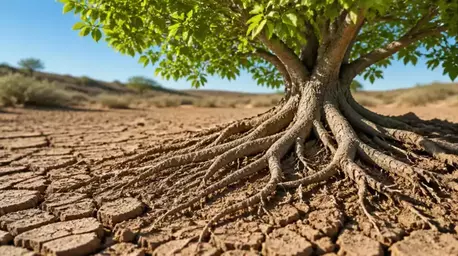

Root Suffocation
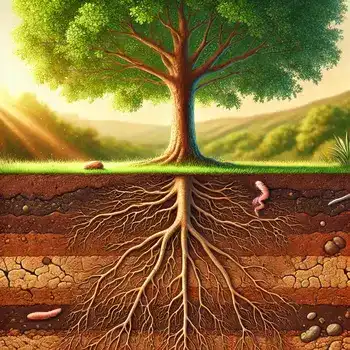
Excess water limits oxygen available to roots, leading to suffocation.
2026-08-19
Choosing the right trees for your garden can truly transform a landscape, especially when you’re dealing with challenging clay soils. With knowledge and the right strategies, you can create a thriving ecosystem that supports both your plants and local wildlife.
Understanding how poor drainage affects tree growth is vital for gardeners facing heavy clay soils. Below are key impacts displayed visually.
Excess water limits oxygen available to roots, leading to suffocation.
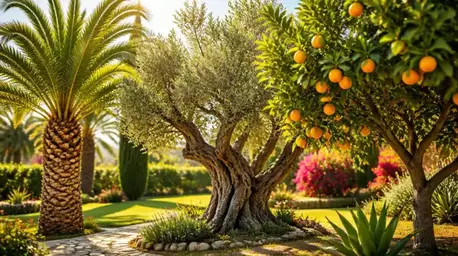
Trees may grow poorly or not at all in waterlogged conditions.
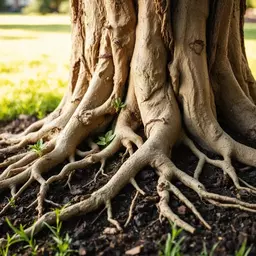
High moisture levels create a perfect environment for pests and diseases.
When we talk about clay soils, we’re diving into a unique world of gardening challenges! Clay soil is known for its dense, sticky texture that can hold water like a sponge. This characteristic makes it essential to understand how clay behaves, especially when planting trees. Recognizing these traits is the first step toward nurturing a thriving garden despite the obstacles posed by heavy ground.
So, what exactly defines clay soil? It's composed of very fine particles that create a tightly-packed structure. This means it retains moisture and nutrients, but it also leads to poor drainage. This can create conditions where roots struggle to breathe, leading to problems for trees trying to establish themselves in such environments. Have you ever noticed how long the soil stays wet after a rain? That’s the clay doing its job—holding onto moisture, sometimes a little too much! For more insights into how to choose the best trees for your soil type, check out our guide on selecting trees for your garden.
To truly appreciate clay soils, let’s explore their composition and texture. Clay particles are less than 0.002 mm in diameter, which is incredibly small! This tiny size gives clay its unique ability to form clumps and retain moisture, but it can also make it difficult for roots to spread. Did you know that clay can expand when wet and contract as it dries? This hustle and bustle beneath the surface can lead to cracking, which adds another layer of complexity when growing trees.
Understanding the impact of these characteristics is crucial for any gardener. For instance, poor drainage often results in waterlogged conditions that can suffocate tree roots. Trees, much like us, need air to thrive. If the roots can't breathe, they can rot, leading to stunted growth or even tree death. A simple way to assess your soil is to do a jar test. Just mix a sample of your soil with water in a jar, shake it, and let it settle. You’ll see layers form based on grain size, giving you insight into your soil type.
The texture of clay is intricate and fascinating! It’s not just about how it feels; it’s about how the particles interact with water. The tightly compacted particles can create a barrier that makes it challenging for roots to penetrate. As gardeners, it’s vital we recognize this when selecting tree species. When you dig into clay soil, it’s often sticky and moldable, which can be both a blessing and a curse.
When planting, consider mixing in organic matter such as compost or well-rotted manure. This can help improve soil structure, promoting better drainage while enriching the nutrients available to your trees. Think of it as adding a little “food” to the soil, helping it to provide a nurturing environment for your plants!
Imagine trying to grow a tree in a puddle—frustrating, right? Poor drainage can create a myriad of issues for tree growth. Too much water can lead to root rot, which is a leading cause of tree death in heavy soils. This is why understanding your soil is critical before planting. Not only do we want to know about moisture levels, but we also need to consider how the soil drains after rainfall. This is crucial for identifying and preventing root rot in your trees.
Here are some key impacts of poor drainage on tree growth:
Planting trees in heavy ground presents specific challenges that every gardener should be prepared for. The most prominent issue is the risk of waterlogging. When it rains, the water has nowhere to go in clay soils, leading to soggy conditions that can overwhelm tree roots. Therefore, identifying the right tree species that can handle these challenges becomes essential.
As I’ve experienced in my own gardening journey, the struggle with heavy soils can feel discouraging. However, with the right strategies and insights, we can overcome these obstacles. One effective method is to use raised beds or mounds, which can improve drainage and provide a better environment for tree roots to thrive.
Some common issues that arise when planting in heavy soils include:
Soil preparation is critical in heavy soils. It’s not just about digging a hole and dropping in a tree! Taking the time to amend your soil can greatly enhance the chances of your trees thriving. Adding materials like sand or compost can improve drainage and promote healthier root systems. Think of it as creating a comfy home for your trees!
Here are a few essential steps for soil preparation:
When dealing with clay soils, consider creating a rain garden! This not only helps manage excess water but also provides a beautiful habitat for local wildlife. By selecting native plants that thrive in wet conditions, you can create a stunning feature that enhances your landscape while improving drainage.
As we wrap up our exploration of suitable tree species for clay soils and heavy ground, it's crucial to remember that the right choices can lead to thriving landscapes. Selecting trees that are well-suited for these conditions not only enhances your garden's beauty but also promotes a healthier ecosystem. So, what are some of the optimal tree species you should consider for your challenging soil?
In our journey, we've identified several species that stand out. They include Sycamore, Tulip Tree, and Norway Spruce. Each of these trees has unique attributes that allow them to thrive in clay soils, providing not only shade but also an array of benefits for wildlife and the environment.
Let’s take a closer look at some of the trees that excel in these conditions. Each one brings something special to the table, making them reliable choices for your garden:
In addition to these top picks, there are other trees worth considering for heavy soils. Each of them has unique qualities that could further enhance your garden:
These three trees not only thrive in clay soils but also provide a range of environmental benefits. Let's keep exploring some additional options:
Incorporating any of these species into your garden can create a vibrant landscape that’s not only visually appealing but also ecologically sound. It’s this kind of thoughtful selection that aligns with our mission at Deep Roots Journal—to empower and inspire you in nurturing a thriving natural environment!
Now that we’ve identified suitable tree choices, let’s reflect on some essential planting and maintenance strategies. Proper care is fundamental to ensuring your trees thrive in challenging soils.
Combining these strategies with our recommended tree choices can lead to a flourishing garden. Remember, a little effort in the beginning can reap big rewards in the long run! Let’s continue nurturing our connection with nature and make informed choices that benefit both our gardens and our environment. For more comprehensive essential tree care and landscaping advice, visit our guide.
As we venture down the path of sustainable gardening, it's vital to consider the impact our choices have on biodiversity. By selecting native and adaptable tree species, we contribute to a healthier ecosystem that supports various forms of wildlife.
Incorporating trees that are well-suited to clay soils not only ensures their survival but also enhances the vitality of the surrounding environment. Have you thought about how your garden can serve as a habitat for creatures big and small? Every tree planted is a step toward a richer, more diverse ecosystem!
Are you ready to embark on your tree planting journey? With the insights shared in this article, you have a solid foundation to begin making impactful choices for your garden. Let’s get started! Choose a tree, prepare your site, and nurture it along the way.
At Deep Roots Journal, we're here to support you every step of the way. Share your experiences and discoveries as you plant and cultivate your trees—together, we can foster a thriving natural environment for future generations!
Here is a quick recap of the important points discussed in the article:
Rowan Thorne
Horticulturist. Environmental advocate. Nature enthusiast.
Rowan Thorne brings years of hands-on experience in botany and root care, sharing practical tips and expert insights to help you nurture a thriving natural environment. Follow along at DeepRootsJournal.com for fresh, inspiring content that deepens your connection to the ecosystem.
Discover the intricate world of tree species, soil health, and root care through our expert insights. We are passionate horticulturists dedicated to helping you cultivate a thriving natural environment.