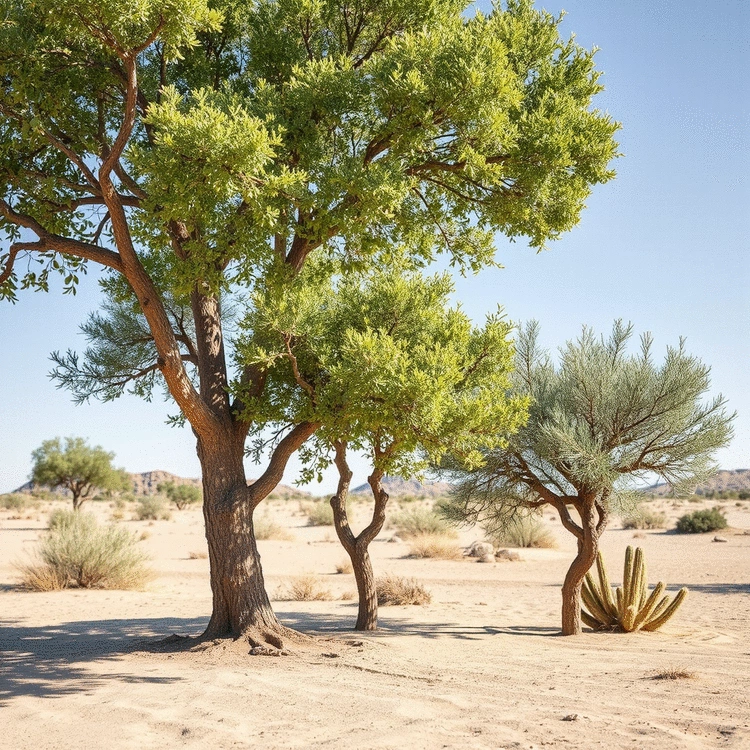

Water Efficiency
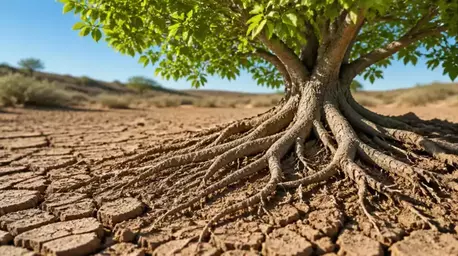
Drought-resistant trees have adapted to use water more effectively, making them ideal for dry conditions.
2026-03-28
As climate change continues to challenge our ecosystems, the selection of drought-resistant tree species becomes increasingly vital. These trees not only survive but also contribute to the ecological health of our environments. Understanding which species can thrive in dry conditions is the first step towards creating sustainable and beautiful landscapes.
Drought-resistant trees offer various advantages crucial for maintaining sustainable landscapes in arid conditions. To learn more about essential tree care and landscaping, explore our detailed guides.
Drought-resistant trees have adapted to use water more effectively, making them ideal for dry conditions.
These trees typically require less care, allowing you to enjoy your garden without constant upkeep.
Choosing native drought-resistant species can support local wildlife and promote a balanced ecosystem.
These trees are better equipped to handle the stress of changing weather patterns, ensuring their survival.
As we face the challenges posed by dry climates, understanding which tree species can thrive with minimal water becomes essential. Drought-resistant trees not only survive but can also contribute to the beauty and health of our gardens. At Deep Roots Journal, we’re passionate about sharing insights that empower you to make informed decisions when selecting trees, especially in regions where water is scarce.
Drought resistance in trees refers to their ability to survive and grow in conditions with limited water availability. This characteristic is influenced by various factors, including their physiological adaptations and morphology. Trees that have developed strategies to cope with dry conditions can maintain their health and even thrive amidst adversity.
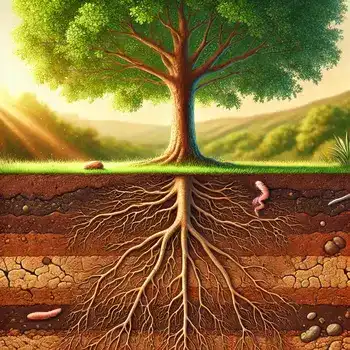
The ability to endure drought is primarily linked to two physiological mechanisms: water conservation and efficient water usage. For instance, some trees possess deep roots that reach groundwater. Others have small leaves that reduce water loss through transpiration. By understanding these mechanisms, we can appreciate how certain species can flourish even in the driest of climates. For more information on deep roots for stable trees, check out our article.
Several physiological traits contribute to a tree's drought tolerance, including stomatal regulation, which controls the exchange of gases and minimizes water loss. Another important aspect is the development of thickened cuticles on leaves that help reduce evaporation. These adaptations allow trees to withstand prolonged periods without rain, making them ideal choices for dry landscapes.
Additionally, trees may exhibit what is known as embolic resistance, which helps prevent damage to their vascular systems during water scarcity. This means that even when external moisture is lacking, trees can continue to transport water effectively within their structure.
Water-use efficiency is a critical aspect of drought-resistant trees. It refers to how well a tree can convert water into biomass. Trees that excel in this area can allocate resources efficiently, ensuring that they grow steadily even with limited water. This trait is particularly significant in dry conditions where every drop counts!
One way to enhance water-use efficiency is by selecting native species adapted to local conditions. Deep Roots Journal encourages you to consider these species, as they often have evolved mechanisms that allow them to conserve water effectively while providing essential benefits to local ecosystems.
Climate plays a crucial role in determining which tree species will thrive in your landscape. Understanding the specific challenges posed by your region’s climate can help you make better choices when selecting drought-resistant trees. For instance, trees that do well in the Southeastern U.S. may not necessarily perform well in other arid areas. For assistance in selecting trees for your area, refer to our comprehensive guide.
It’s also important to consider the temperature extremes, precipitation patterns, and soil types unique to your location. By knowing these environmental factors, you can more effectively choose trees that are not only drought-resistant but also suited to your particular climate.
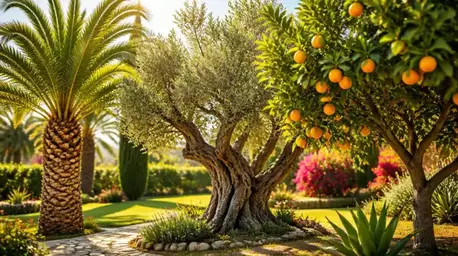
Dry climates generally experience lower humidity and less rainfall, leading to unique growth patterns among trees. In these regions, trees often develop specialized adaptations, such as thicker bark and reduced leaf size, to combat water loss. Such features help them to maximize their chances of survival and maintain health during dry spells.
Moreover, trees in these conditions may have slower growth rates due to limited water availability. However, this doesn’t mean they can’t thrive! With the right care and selection, trees can still flourish, creating beautiful landscapes that are both sustainable and resilient.
The Southeastern U.S. offers a unique blend of climate conditions that can support a variety of tree species, but they may differ significantly from those found in other arid regions. Here are some key factors to keep in mind:
By considering these factors, you can make more informed decisions when selecting trees that will not only survive but thrive in your specific environment, ultimately enhancing the beauty and overall health of your landscape. Remember, at Deep Roots Journal, we’re here to help you navigate these choices and cultivate a thriving natural environment!
Here's a brief recap of the key points discussed so far:
Here are some common questions about drought-resistant trees and their selection for dry climates:
As we navigate the challenges posed by increasingly dry climates, selecting drought-resistant trees becomes a priority for both our gardens and the environment. These trees not only survive but thrive in arid conditions, ensuring our landscapes remain vibrant and resilient. By understanding the advantages of these species, we can make informed choices that benefit our ecosystems and reduce water usage.
Drought-resistant trees contribute significantly to water conservation, making them a sustainable choice for landscaping. They often require less maintenance, which can save both time and resources in the long run. When you plant these trees, you’re not just adding beauty to your garden; you're also playing a part in nurturing a healthier ecosystem for future generations! Consider the many benefits of native tree planting for your local environment.
In my journey as a horticulturist, I’ve seen firsthand how selecting the right trees transforms a landscape. For example, using native species like oak or elm provides a sustainable solution that benefits both the gardener and the environment. Remember, the right tree choice not only beautifies your space but also contributes to a thriving ecosystem.
As we strive for a greener future, embracing sustainable landscaping practices is essential. At Deep Roots Journal, we believe that every small action counts when it comes to protecting our environment. By choosing drought-resistant trees, we can make a positive impact while also enjoying the beauty they bring to our gardens.
Engaging with our communities to promote eco-friendly practices is vital for fostering a culture of environmental stewardship. Have you thought about how you can encourage others to plant drought-resistant trees? Sharing your experiences or organizing community tree-planting events can inspire those around you! For inspiration on native trees for sustainable landscapes, explore our articles.
We invite you to be part of the growing movement toward sustainable landscaping. By planting drought-resistant trees, you’re not just creating a beautiful space; you’re contributing to the health of our planet. Let's work together to inspire others to think about their tree choices and how they can make a difference!
Finding the perfect tree for your specific climate zone has never been easier! Utilize interactive tools and resources available online to explore suitable drought-resistant species. These tools can help you:
By leveraging these resources, you can make informed decisions that align with your gardening goals and contribute positively to our ecosystem. Let's embrace the power of knowledge together and cultivate the landscapes of tomorrow! If you're interested in learning about climate change and tree species, we have more resources available.
Here is a quick recap of the important points discussed in the article:
Rowan Thorne
Horticulturist. Environmental advocate. Nature enthusiast.
Rowan Thorne brings years of hands-on experience in botany and root care, sharing practical tips and expert insights to help you nurture a thriving natural environment. Follow along at DeepRootsJournal.com for fresh, inspiring content that deepens your connection to the ecosystem.
Discover the intricate world of tree species, soil health, and root care through our expert insights. We are passionate horticulturists dedicated to helping you cultivate a thriving natural environment.