


- Tree Species
- May 14
2026-07-24
Did you know that a single tree can absorb up to 48 pounds of carbon dioxide per year? This remarkable statistic highlights not only the environmental benefits of trees but also their crucial role in erosion control. Understanding how trees contribute to soil stability can empower us to make informed choices for healthier landscapes and a more sustainable future.
Explore the key benefits of vegetation in combating soil erosion through the following elements:
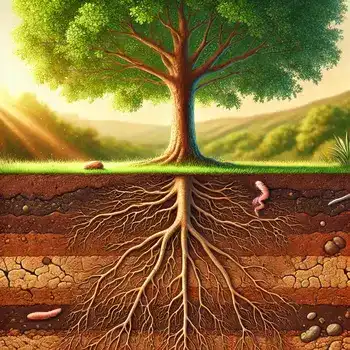
Trees have extensive root systems that anchor the soil. You can learn more about enhancing tree root drainage to further support their stability.
Tree crowns intercept rainfall, reducing the impact on the soil surface.
Decaying leaves and other organic materials improve soil structure.
Trees help moderate temperatures, promoting a healthier ecosystem.
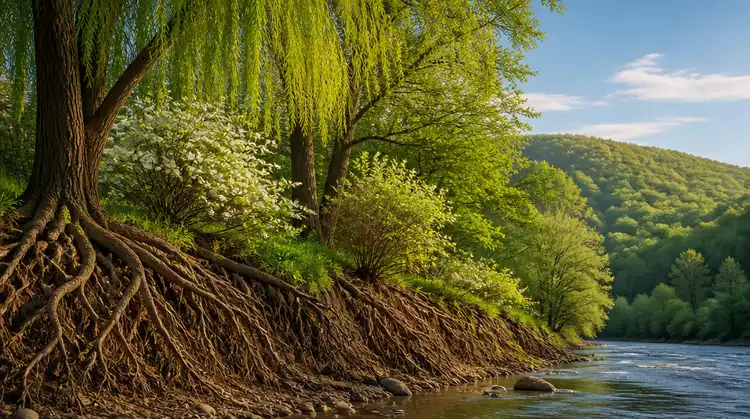
Erosion is a significant issue, especially on slopes and banks where soil can easily wash away. At Deep Roots Journal, we recognize the vital role trees play in preventing this erosion. By understanding how trees contribute to soil stability, we can make informed choices that promote healthy landscapes and protect our environment.
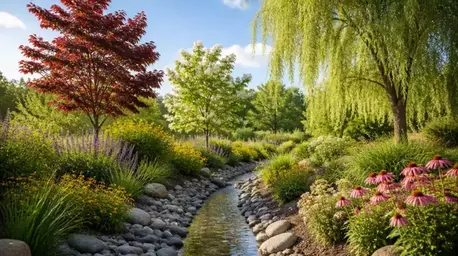
When we plant trees, we're not just adding beauty to our surroundings; we are creating a barrier against erosion. The roots of these trees dig deep into the soil, forming a network that helps hold everything together. This natural process is essential for maintaining the integrity of our slopes and banks!
Vegetation, especially trees, acts as a powerful defense against soil erosion. Their roots keep the soil intact, while the foliage helps to slow down rainwater, preventing it from washing the soil away. Have you noticed how lush areas with trees tend to stay stable even in heavy rain? That’s the magic of nature at work! For more on this, consider exploring encouraging healthy root development.
Here are some ways vegetation aids in erosion prevention:
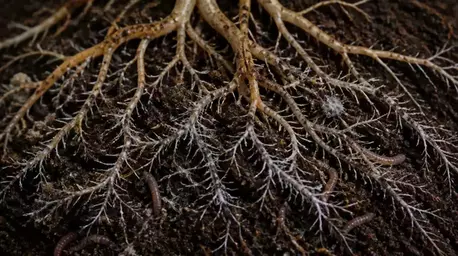
Trees are nature's engineers! Their roots not only secure the soil but also enhance water infiltration, which is crucial for maintaining soil health. When trees are strategically planted, they can significantly reduce the risk of landslides and soil washout, especially on steep banks.
Moreover, trees provide a habitat for various organisms, contributing to biodiversity which further enriches the ecosystem. By fostering a community of life, we strengthen the natural defenses against erosion.
Planting trees for erosion control comes with a host of benefits. Aside from stabilizing the soil, trees also improve air quality and offer shade, making our environments more pleasant. It’s like giving our earth a big hug!
Some key benefits include:
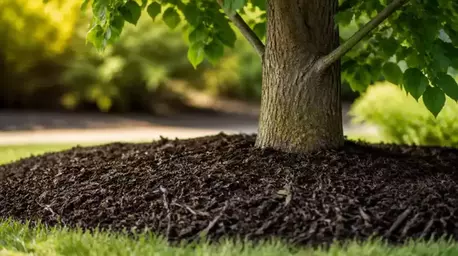
Did you know? Regularly mulching around your erosion control trees can significantly enhance their health and effectiveness. Mulch helps retain moisture, suppress weeds, and improve soil structure over time. Aim to apply a layer of organic mulch about 2-3 inches thick, keeping it a few inches away from the tree trunk to prevent rot.
Maintaining erosion control trees is essential for their long-term effectiveness. Just like we need care and attention to grow strong, our trees require ongoing support to thrive. At Deep Roots Journal, I believe that understanding the needs of these trees ensures that we not only prevent erosion but also enhance biodiversity and soil health. For comprehensive guidance on essential tree care and landscaping, check out our dedicated guide.
Regular maintenance practices can make a huge difference in the health of your trees. It’s important to develop a routine that incorporates everything from watering to monitoring soil health. By doing so, we can create a vibrant environment that supports our efforts in erosion control.
To keep your erosion control trees flourishing, it's crucial to follow specific care guidelines. Here are some practices that can help:
By following these practices, you can ensure that your trees are well-supported and effective in preventing erosion. It’s amazing how a little care goes a long way in enhancing the resilience of these trees!
For established trees, the watering needs change. They have deeper roots and can access moisture more effectively, but they still need attention, especially during dry seasons. Here are some guidelines for watering established trees:
Following these tips will help your trees remain healthy and continue their role in preventing erosion!
Another vital aspect of long-term maintenance is monitoring the health of both the soil and trees. Healthy soil is the foundation for healthy trees. Here’s how I recommend keeping a close eye on these factors:
By being proactive in monitoring soil health and tree growth, you’ll ensure that your erosion control efforts are successful. It's all about creating a thriving ecosystem that benefits us and the environment! For tips on how to assess tree root health, read our guide.
Here is a quick recap of the important points discussed in the article:
Rowan Thorne
Horticulturist. Environmental advocate. Nature enthusiast.
Rowan Thorne brings years of hands-on experience in botany and root care, sharing practical tips and expert insights to help you nurture a thriving natural environment. Follow along at DeepRootsJournal.com for fresh, inspiring content that deepens your connection to the ecosystem.
Discover the intricate world of tree species, soil health, and root care through our expert insights. We are passionate horticulturists dedicated to helping you cultivate a thriving natural environment.