
Improved Soil Structure
Better root penetration leading to more resilient trees.
2026-07-31
Did you know that enhancing tree root health can significantly transform the overall vitality of trees in your garden? Understanding the pivotal role of compost in this process can lead to thriving trees that withstand environmental challenges.
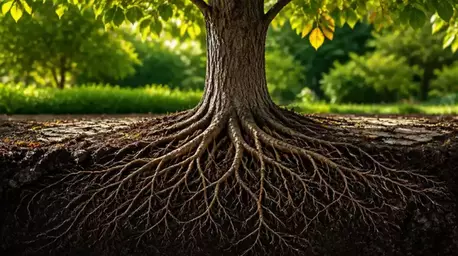
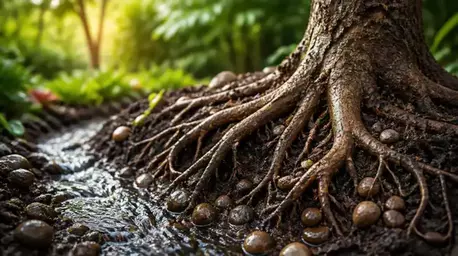
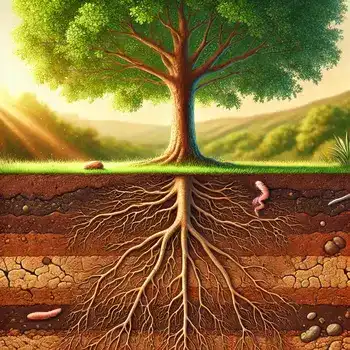
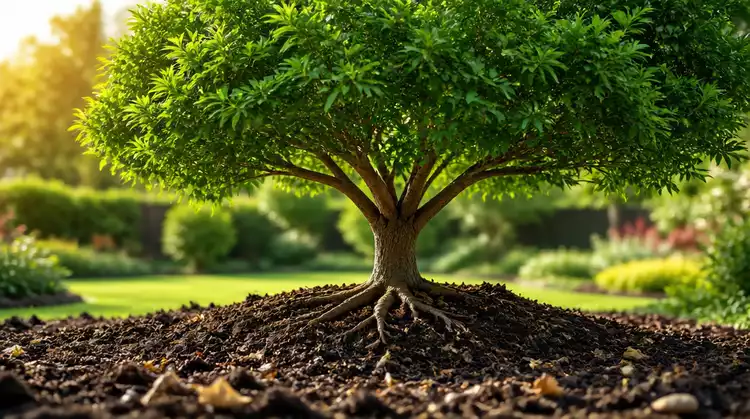
Compost contributes to several critical aspects of tree health, which can be summarized in the visuals below.
Better root penetration leading to more resilient trees.
Supports healthy tree growth by providing essential minerals.
Promotes soil fertility and helps maintain healthy ecosystems.
Ensures optimal hydration for tree roots during dry spells.
As I delve into the world of tree care, I often find myself pondering the significance of tree root health. Our trees are remarkable living beings, relying on their roots for stability, nourishment, and overall well-being. Understanding the health of these roots is crucial, as they not only anchor the tree but also interact directly with the soil to absorb water and nutrients. When we prioritize root health, we ultimately enhance the vitality of the entire tree.
Healthy roots mean a stronger tree that can withstand environmental challenges. A well-established root system helps trees access moisture during dry spells and nutrients from the soil. Have you ever noticed how a tree thrives in one spot yet struggles in another? Often, the key lies in the root system's health and the surrounding soil environment. By focusing on root care, we can cultivate trees that flourish and contribute positively to our ecosystem. For more information on nurturing your garden's foundation, consider these essential tree care and landscaping tips.
Tree root health can be defined by several factors, including root density, structure, and the ability to access nutrients and water. A healthy root system should be extensive, with a mix of thick roots for stability and fine feeder roots for nutrient absorption. This balance not only supports the tree above ground but also helps prevent soil erosion. It's fascinating to think about how these tiny roots play a crucial role in the broader ecosystem!
Maintaining tree root health can lead to a multitude of benefits, such as improved growth, increased resistance to diseases, and even enhanced fruit production. Some key aspects include:
Compost is often dubbed "black gold" in gardening circles for good reason! It's a rich, organic material created from decomposed plant matter, kitchen scraps, and other organic waste. When we incorporate compost into our soil, we’re not just adding nutrients; we’re reviving the soil ecosystem. Compost acts as a natural fertilizer while improving soil structure, which is essential for healthy root development. This process is instrumental in encouraging healthy root development.
When we apply compost, it undergoes a process that enriches the soil with microbial life. This microbial activity breaks down organic matter, releasing nutrients that trees need for growth. Here’s how compost works its magic:
Soil health is the foundation upon which tree root systems thrive, and organic matter plays a pivotal role in this equation. Healthy soils are teeming with life, and organic matter acts as a food source for a variety of organisms. By adding compost, we enrich the soil, enhancing both its physical properties and biological activity. It's like giving our soil a nutritious meal!
Here’s why organic matter, like compost, is so important for soil health:
In my journey with Deep Roots Journal, I have seen how focusing on soil health through organic matter can transform our gardening experience. By understanding and nurturing the relationship between compost and tree root health, we can create thriving landscapes that stand the test of time.
Consider creating a compost tea by steeping compost in water for a few days. This nutrient-rich liquid can be used to water your trees, delivering a concentrated dose of nutrients directly to the root zone and enhancing their health even further!
As we wrap up our discussion, it's vital to reflect on the long-term benefits compost can have on tree root health. Compost is not just a one-time solution; it serves as a powerful ally in nurturing robust and resilient trees. By enhancing soil structure, providing vital nutrients, and fostering beneficial microbial communities, compost contributes to sustainable root growth that can make a world of difference for your garden. This aligns with approaches for enhancing roots with natural fertilizers.
Some of the key benefits to keep in mind include:
Incorporating compost into your tree care routine is an investment that pays off over time. As the roots grow stronger and healthier, you'll notice the lush foliage and vibrant blooms that follow. This interconnectedness between soil health, root vitality, and overall tree well-being is a testament to the power of compost!
While composting has incredible benefits, ongoing monitoring is crucial to ensure your tree's health continues to flourish. By regularly checking soil conditions and observing tree growth, you can make informed decisions about future compost applications. This adaptability not only supports tree vitality but also enhances your gardening skills.
As someone deeply invested in horticulture, I recommend focusing on these aspects:
By paying attention to these factors, you can make the best decisions for your trees and ensure they thrive in their environment. Remember, it's all about building a relationship with your plants and responding to their needs as they evolve!
To maximize the benefits of compost, establishing a clear timeline for application and monitoring is key. A well-structured plan ensures that your trees receive the nutrients they need at the right time, promoting healthy growth throughout the seasons. Here’s a simple outline to consider:
This timeline not only helps in maintaining tree health but also builds a rhythm to your gardening routine, making it easier to stay on top of your tree care! For a more comprehensive guide on year-round care, check out this tree root care schedule guide.
I’d love to hear from you! Have you had any experiences with using compost that you'd like to share? Your stories could inspire others in our community at Deep Roots Journal to explore composting further. If you have questions about tree care or compost applications, feel free to reach out. Together, we can cultivate a thriving environment for our trees!
Finally, as we embrace composting, let’s also explore other eco-friendly practices that complement our tree care efforts. Here are some strategies to consider:
Implementing these practices not only benefits your trees but also contributes to a healthier environment for future generations! Remember, every small step counts when it comes to nurturing our planet. For additional insights on supporting your trees sustainably, read about the benefits of native tree planting.
Here is a quick recap of the important points discussed in the article:
Rowan Thorne
Horticulturist. Environmental advocate. Nature enthusiast.
Rowan Thorne brings years of hands-on experience in botany and root care, sharing practical tips and expert insights to help you nurture a thriving natural environment. Follow along at DeepRootsJournal.com for fresh, inspiring content that deepens your connection to the ecosystem.
Discover the intricate world of tree species, soil health, and root care through our expert insights. We are passionate horticulturists dedicated to helping you cultivate a thriving natural environment.