
Texture
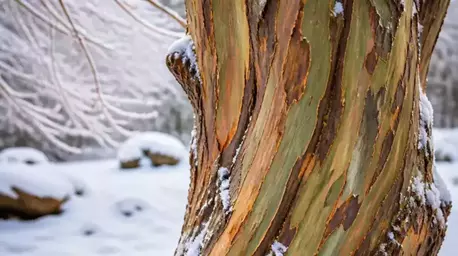
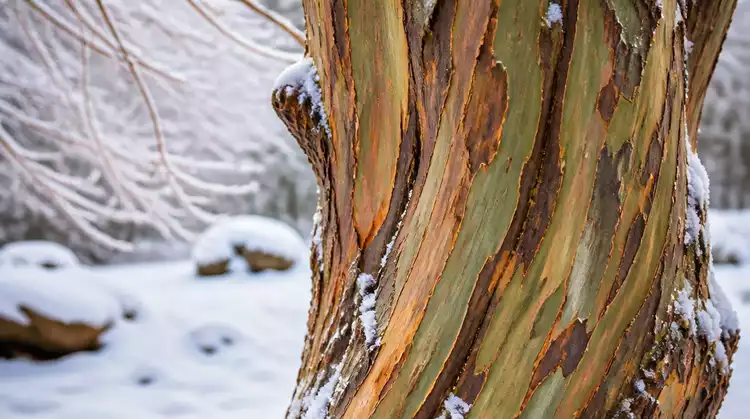
Look for smooth, rough, or peeling textures that add dimension to your garden.
2026-11-26
Winter landscapes may seem dull, but have you ever considered how the bark of trees can bring life and color to the scene? As the snow blankets the ground and leaves fall away, the unique textures and hues of tree bark can transform your garden into a vibrant winter wonderland. Let’s explore the fascinating world of trees with attractive bark and how they can enhance your winter landscape.
Understanding the characteristics of trees with beautiful bark enhances winter landscapes. Below are features to look for:
Look for smooth, rough, or peeling textures that add dimension to your garden.
Choose trees with vibrant, contrasting colors to stand out against winter's backdrop.
Intricate patterns on the bark can provide visual intrigue and interest.
As winter paints the landscape in shades of gray and white, the allure of trees takes on a new dimension. One often overlooked feature is the bark. Trees with attractive bark can transform a winter scene into a vibrant tapestry of color and texture. When you think about enhancing your winter garden, I encourage you to consider the role of bark aesthetics; it’s more than just a protective layer; it’s a canvas that tells a story of beauty and resilience. For more tips on how to select the perfect additions to your green space, explore our guide on selecting trees for your garden.
Incorporating trees with striking bark not only brightens up your landscape but also brings a unique charm to it. The smooth, peeling, or rough textures can create visual interest that captivates the eye. As someone who has spent countless hours observing how different trees stand out in winter, I can assure you that these bark characteristics are truly enchanting!
Let’s delve deeper into the appeal of ornamental bark. During the colder months, when most flowers and leaves have gone, the bark becomes a focal point that can define the character of your garden. Trees like the Paperbark Maple display a rich, warm color that can stand out against a snow-covered backdrop, making the garden feel alive even in the frost.
Ornamental bark serves not only as a visual delight but also as a conversation starter. I often find myself sharing stories with fellow gardening enthusiasts about the fascinating textures and colors found in nature’s elements. Here are a few key reasons why bark aesthetics are important:
During winter, when many trees stand bare, the bark reveals its true beauty. This is when we can appreciate the intricate patterns and colors that trees have to offer. For example, the striking cinnamon-brown bark of the Himalayan Birch can catch the light beautifully, creating a warm glow even on the coldest days. Such features not only brighten up a winter landscape but can also provide a sense of warmth. Understanding how to manage tree roots is also crucial for the overall health and aesthetics of your trees; learn more about managing tree roots in gardens to ensure their vitality.
The beauty of bark can evoke emotions and memories, reminding us of the warmth of summer while we endure the chill of winter. Trees are living pieces of art, and their bark tells a story of endurance against harsh elements. By selecting trees with appealing bark, we enrich our landscapes and foster a connection to the natural world.
Beyond winter, bark contributes to year-round interest in your garden. Each season offers a different perspective on its visual impact. In spring, new growth against the bark can create a stunning contrast, while in autumn, the foliage colors may complement the bark tones beautifully. This dynamic interplay can keep your garden engaging throughout the year.
Incorporating trees with varied bark textures and colors can create a captivating scene that evolves with the seasons. Consider these benefits of year-round bark interest:
To select the right trees for your winter landscape, understanding the key characteristics of trees with beautiful bark is essential. Each tree species displays unique features that can enhance the overall beauty of your garden. For example, some trees have smooth, glossy bark, while others may have a rough or peeling texture, each providing a different aesthetic experience.
From my own experiences, I find that considering the bark texture and color can significantly influence your garden’s design. Below are features to look for when choosing trees with striking bark:
Bark texture plays a crucial role in how trees are perceived in winter. Some species, like the Paperbark Maple, have a unique peeling bark that creates layers, resembling the pages of a well-loved book. Others, like the River Birch, have smooth, silvery bark that glistens in the sunlight, creating a stunning effect against the stark winter landscape.
When selecting trees, consider how their textures will interact with other elements in your garden. Coarse and rough bark can add contrast to smooth surfaces, while soft textures can provide a gentle touch. This interplay can create a rich tapestry, adding layers of interest to your landscape design.
Color variations in tree bark can dramatically impact the overall aesthetic of your winter garden. For instance, the bright white bark of a Birch stands out sharply against the dark winter sky, creating a striking visual element. Similarly, the deep, dark colors of the Red Maple bark can create a stunning contrast against a snowy backdrop.
Here are some colors to consider for winter interest:
Next time you wander through a winter landscape, take a moment to appreciate the beauty of tree bark. As I reflect on the treasures hidden within our natural surroundings, I find that understanding these details can deepen our connection to the environment. Embracing the allure of trees with attractive bark not only enhances our gardens but also celebrates the resilience of nature during the coldest months.
Here's a brief recap of the key points discussed so far:
Choosing trees with striking bark is an exciting journey in enhancing your winter landscape! At Deep Roots Journal, I’m passionate about helping you connect with nature through beautiful plant selections. Let’s explore some important considerations to keep in mind when selecting those standout trees that can bring joy and elegance even in the colder months.
First and foremost, evaluate the light and space requirements for the trees you’re considering. Each species has its own preferences, and ensuring that they thrive in the right conditions is key for long-term success. Take note of the amount of sunlight your planting area receives, as well as the tree's mature size to avoid overcrowding. For those looking to grow new trees, understanding home tree propagation methods can be a valuable skill.
In addition, it’s crucial to avoid common mistakes while picking trees for winter interest. Here are some tips to steer clear of pitfalls:
By keeping these considerations in mind, you’re setting the stage for a striking winter landscape that showcases nature's beauty.
Next, let’s dive into how to create visual interest with the trees you've chosen. Trees can serve as architectural elements, enhancing the overall design of your garden. Think about how their shapes and heights can create focal points or even layers of interest throughout your landscape.
Here are some ways to effectively use trees in your winter garden design:
In addition to stunning trees, consider incorporating other winter plants for enhanced appeal. Species like Fagus sylvatica (European Beech) and Ginkgo biloba (Ginkgo) can complement your chosen trees beautifully. Their shapes and foliage can add layers of texture and color, enriching your winter landscape. To ensure your trees thrive, it’s essential to be proactive about identifying and treating tree root diseases.
As we wrap up, let’s reflect on the lasting benefits of choosing trees with beautiful bark. Not only do they enhance your landscape, but they also foster a deeper connection with nature. Observing the changing seasons provides a source of inspiration and peace, something we can all cherish during the colder months.
Beautiful bark trees contribute to biodiversity and create habitats for various wildlife. They serve as a reminder of nature's resilience and adaptability, encouraging us to appreciate the world around us. By thoughtfully selecting and planting these trees, you're not just adding aesthetic value; you’re also playing a part in nurturing our ecosystem.
I invite you to share your favorite bark trees with me and the Deep Roots Journal community! Have you discovered a tree that brings joy to your winter landscape? Your experiences can inspire others and promote community engagement around planting and gardening.
Let’s continue to cultivate a love for trees and a passion for gardening together. Whether it’s through sharing insights or exchanging plants, there’s a wealth of knowledge and camaraderie within our gardening community waiting to be explored! For more comprehensive guidance, check out our resources on essential tree care and landscaping.
Here is a quick recap of the important points discussed in the article:
Rowan Thorne
Horticulturist. Environmental advocate. Nature enthusiast.
Rowan Thorne brings years of hands-on experience in botany and root care, sharing practical tips and expert insights to help you nurture a thriving natural environment. Follow along at DeepRootsJournal.com for fresh, inspiring content that deepens your connection to the ecosystem.
Discover the intricate world of tree species, soil health, and root care through our expert insights. We are passionate horticulturists dedicated to helping you cultivate a thriving natural environment.