
Healthy Roots
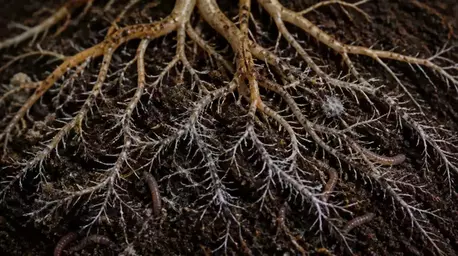
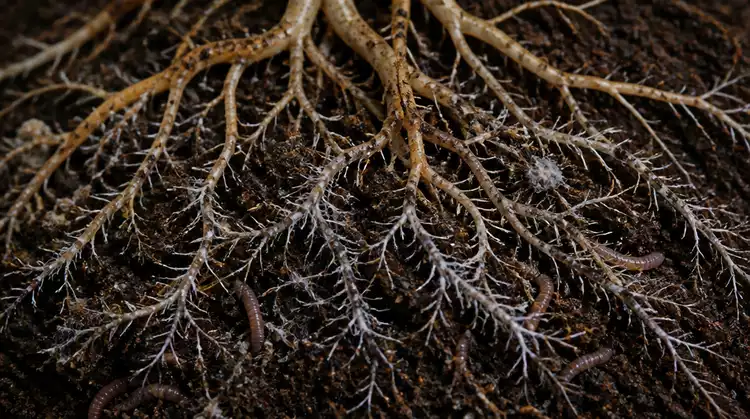
- Firm and white or light brown
- Well-distributed throughout the root zone
- Fine roots enhance nutrient uptake
2026-10-20
Did you know that the hidden world of tree roots plays a crucial role in a tree's health, stability, and overall growth? Understanding these underground workings not only helps in maintaining your own trees but also contributes to a healthier ecosystem.
Understanding what healthy tree roots look like can help ensure the vitality of your trees. Below are key characteristics and comparisons between healthy and unhealthy tree roots. For more comprehensive information on maintaining overall tree health, consider exploring essential tree care and landscaping practices.
When we think about trees, we often focus on their majestic trunks and lush canopies. However, the real magic happens underground. Healthy tree roots are crucial for stability, nutrient uptake, and overall tree vitality. In this section, we’ll explore what healthy roots look like and how they function, helping you understand the critical role they play in the life of a tree.
So, what characterizes healthy tree roots? There are a few key traits that we can look for to determine if a tree’s roots are thriving. First, healthy roots should appear firm and robust, anchoring the tree securely in the soil. They also need to be adequately spaced, ensuring that the tree can absorb nutrients and water effectively.
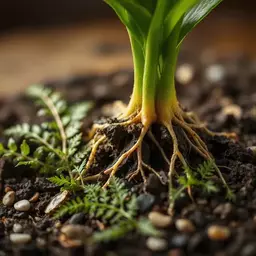
Healthy tree roots are generally white or light tan in color, with a smooth and shiny surface. You might see some fine roots, which are key for nutrient absorption. These roots should not be excessively dark or mushy, as those could indicate problems. Regular checks can help you catch any early signs of trouble!
The color and texture of roots tell us a lot about their health. Here are some indicators to keep in mind:
Understanding the structure of tree roots can help you appreciate their importance even more! Roots are not just one uniform type; they serve different functions. The anatomy of roots plays a vital role in how they support the tree's health and growth. For more details on fostering robust root systems, check out our guide on encouraging healthy root development.
Roots can be categorized into several types, each serving its own purpose:
Mycorrhizae are fungi that form symbiotic relationships with tree roots, enhancing their ability to absorb nutrients. They increase the surface area of the roots, allowing for better nutrient uptake. This partnership is vital for the health of many trees, and it's fascinating to see how interconnected our ecosystems truly are!
The architecture of a root system varies between species, but it generally refers to how roots are arranged in the soil. A well-developed root system will have a balance of depth and spread, ensuring that the tree can access both moisture and nutrients efficiently. This architecture is fundamental to a tree's overall health.
Roots don't just grow randomly; they have specific growth patterns that help them thrive in their environments. Understanding these patterns can assist you in providing the best care for your trees.
The root zone is the area around the tree's roots where they grow and absorb nutrients. It's essential to recognize that most tree roots are found in the top 12 to 18 inches of soil. This is where they can access oxygen, water, and nutrients. Ensuring this area is healthy is vital for your tree's success!
The tree's canopy has a direct impact on its root spread. A wide canopy often means extensive lateral root development. This relationship is vital for stability. If you notice a tree with a large crown but limited root spread, it may struggle during storms, so keep an eye on this balance!
Root depth is equally important as spread. Deep roots can access water during dry periods, allowing the tree to survive challenges. However, if roots are too shallow, the tree may be more vulnerable to drought and storms. Understanding these factors can help you nurture a stable and thriving tree!
Being able to distinguish between healthy and unhealthy roots is crucial for anyone who loves gardening. There are visual cues and symptoms that can guide you in assessing root health.
Here’s a quick visual checklist to help you identify healthy roots:
Root rot can be a serious issue and is often marked by some telltale signs:
Several diseases can impact root health, leading to more significant problems. Common diseases include:
As a gardener, knowing how to inspect tree roots safely is essential. We want to ensure we don’t cause any damage while checking for root health.
To inspect roots safely:
Having the right tools can make root inspection easier:
Conducting a thorough root assessment involves checking for both physical and environmental factors. Look for:
The health of tree roots doesn't exist in a vacuum; it's influenced by various environmental factors. Understanding these can help you create a supportive environment for your trees.
Different soil types affect root structure and growth. For instance, sandy soils drain quickly, while clay retains moisture. Knowing your soil type can help you choose the right trees and care methods. If you’re unsure, a simple soil test can provide valuable insights! For further reading on this topic, refer to our article on soil types for tree roots.
The composition of your soil, including its organic matter content, plays a critical role in nutrient uptake. Healthy soil should contain a balanced mix of clay, sand, and silt, along with organic materials. Regularly adding compost can help maintain this balance and improve root health.
Weather patterns can significantly affect root growth. For example, extended dry spells can lead to shallow root development, while excessive rain may cause root rot. Being aware of your local climate can guide you in making proactive care decisions for your trees!
Soil moisture and aeration are essential for healthy roots. Roots need air to breathe, and compacted soil can suffocate them. Ensuring proper drainage and aeration through practices like mulching can keep your tree roots thriving.
Preventing damage to tree roots is just as important as nurturing them. Recognizing the potential threats can help you take proactive steps to protect your trees.
Construction activities can wreak havoc on root systems. Heavy machinery and grading can compress soil, damaging roots and disrupting their growth. It’s essential to plan carefully when working near existing trees!
Proper mulching and watering practices can greatly enhance root health. Here are some best practices:
Soil compaction occurs when soil particles are pressed together, reducing pore space. This can prevent roots from accessing water and nutrients. Regularly aerating the soil around your trees can help alleviate this issue!
Root barriers can be beneficial in preventing roots from invading unwanted areas, such as sidewalks or foundations. They help maintain healthy root growth while protecting infrastructure. Consider consulting with a professional to determine the best approach for your trees. You can learn more about understanding root barriers for trees in our detailed guide.
Here's a brief recap of the key points discussed so far:
As we wrap up our journey through the fascinating world of tree roots, it’s essential to reflect on the key indicators of healthy roots. Healthy roots form the foundation for vibrant tree growth, ensuring that your tree has access to water and nutrients. Just think about how a well-established root system translates into lush leaves and strong branches! Here’s a quick recap of what makes roots thrive:
By understanding these indicators, we can appreciate the importance of fostering healthy root systems. A tree with robust roots is like a strong foundation for a house; it supports everything above ground. For more information on ensuring your trees have strong, stable foundations, explore our article on deep roots for stable trees.
Even with the best care, tree roots can sometimes run into trouble. Knowing when to call in an expert can make a world of difference! If you notice the following signs, it might be time to consult an arborist:
Having a professional assess your tree’s root health can provide peace of mind and ensure that your tree gets the care it needs to flourish.
Your community is a treasure trove of resources to support tree health! Local university extension services and arborist groups can be valuable allies in your quest for healthier trees. Here are some ways to engage:
These local connections can deepen your understanding and equip you with tools to ensure your trees thrive.
As we conclude, I encourage you to integrate sustainable practices into your tree care routine. Simple actions can make a significant difference in promoting healthy root systems. Consider these tips:
By adopting these practices, you’re contributing to a healthier ecosystem. Remember, at Deep Roots Journal, we are committed to helping you cultivate resilient trees and a thriving environment for future generations! You can find more tips on protecting your trees from damage in our comprehensive guides.
Here is a quick recap of the important points discussed in the article:
Rowan Thorne
Horticulturist. Environmental advocate. Nature enthusiast.
Rowan Thorne brings years of hands-on experience in botany and root care, sharing practical tips and expert insights to help you nurture a thriving natural environment. Follow along at DeepRootsJournal.com for fresh, inspiring content that deepens your connection to the ecosystem.
Discover the intricate world of tree species, soil health, and root care through our expert insights. We are passionate horticulturists dedicated to helping you cultivate a thriving natural environment.