
Root Zone Watering Benefits
- Promotes strong root growth
- Enhances nutrient absorption
- Increases resistance to pests and diseases
2026-08-12
Watering trees effectively is essential for their health and vitality. Proper techniques not only promote robust root growth but also enhance resilience against environmental stressors. As you cultivate your garden, consider how your watering practices can lead to thriving trees and a healthier ecosystem.
Understanding the benefits of proper watering practices is crucial for tree health. Below are vital comparisons and processes for effective tree watering. For more comprehensive insights into maintaining robust trees, explore essential tree care and landscaping techniques.
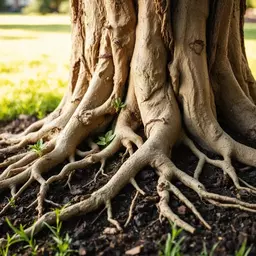
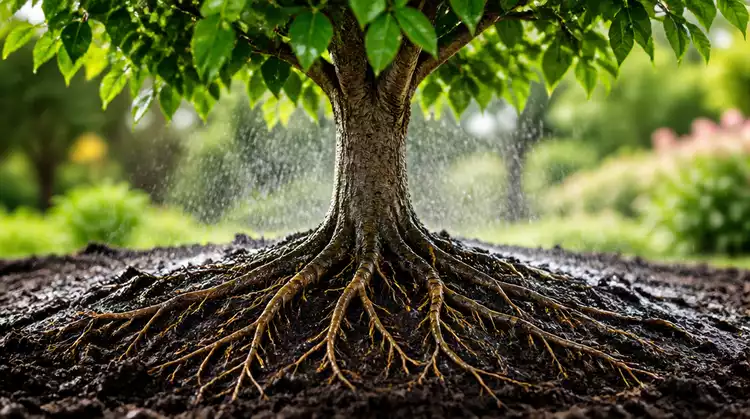
Watering trees might seem simple, but it plays a crucial role in their overall health. Root zone watering means delivering water directly to the area where the roots grow. This approach ensures that trees get the moisture they need to thrive while also promoting deeper root growth. Understanding this concept can significantly enhance your gardening efforts and contribute to a healthier ecosystem.
Many factors influence a tree's vitality, including how much and how often they are watered. The root zone is where the magic happens! Healthy roots not only absorb water but also nutrients from the soil. When we focus on proper watering techniques, we create conditions that allow trees to flourish and withstand environmental stress, making root zone watering a key component of tree care.
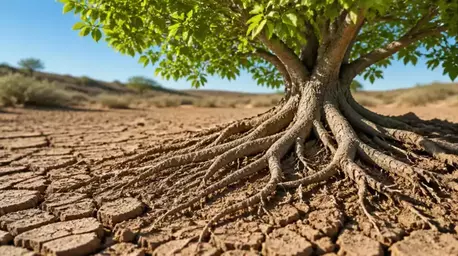
Effective root zone watering can lead to stronger, more resilient trees. By ensuring that moisture reaches the roots directly, trees can develop a robust root system. This system not only supports the tree but also helps it access essential nutrients from the soil. With a healthy root zone, trees are better equipped to adapt to challenges like drought or heavy rainfall.
Moreover, trees that receive proper watering are less susceptible to diseases and pests. A well-hydrated tree can fend off threats more effectively, creating a vibrant and thriving garden. It’s all about nurturing that delicate balance between providing enough water and avoiding overwatering, which can lead to root rot.
The way we water trees can have long-lasting effects on their growth and lifespan. Consistent and appropriate root zone watering helps trees establish themselves, particularly when they are young. Younger trees often require more frequent watering to support their rapid growth and development.
As a horticulturist, I've seen firsthand how different watering techniques can impact tree health over time. When trees receive adequate water, they tend to grow taller and develop fuller canopies. A strong tree is a happy tree, and well-watered trees often produce more flowers and fruits, enhancing the beauty and productivity of our gardens.
The type of soil in which your trees grow can greatly influence your watering practices. Different soil compositions—like clay, sandy, or loamy soils—drain water at varying rates. Understanding your soil type is essential for effective watering. For instance, clay soils retain water longer, while sandy soils drain quickly.
By recognizing these differences, you’ll be better equipped to adjust how you water. This means providing the right amount of water and ensuring it reaches the roots effectively. Adapting your practices based on soil composition ultimately supports tree health and resilience.
Monitoring soil moisture is vital for tree care. Too much moisture can drown roots, while too little can lead to stress. By checking the moisture level in your soil regularly, you can identify the right timing to water your trees. This knowledge also helps prevent common watering mistakes that might harm your plants.
Drainage is equally important; well-draining soil allows excess water to escape, reducing the risk of root rot. If you're unsure about your soil's moisture levels, consider using a moisture meter. This handy tool can provide you with real-time insights into your soil's condition!
Soil pH can also impact how trees absorb water and nutrients. Most trees prefer slightly acidic to neutral pH levels. If your soil is too alkaline or too acidic, it may hinder nutrient uptake and affect overall health. Regularly testing your soil can help you identify any pH imbalances.
Once you know your soil's pH, you can make necessary adjustments, either through amendments or by selecting tree species that thrive in your soil conditions. Tailoring your watering techniques based on soil type and pH not only improves tree vitality but also fosters a more balanced ecosystem in your garden.
Effective water management is essential for the health of your trees. By developing a strategic approach to watering, you can ensure that your trees receive the right amount of moisture at the right time. This includes considering seasonal changes and weather patterns that can influence both rainfall and evaporation rates.
Additionally, recognizing the unique needs of various tree species allows you to optimize your watering practices. Some trees may require more water during dry spells, while others can thrive with less. Keeping this balance will help create a flourishing environment for your plants!
To enhance your irrigation efforts, consider implementing techniques like drip irrigation or soaker hoses. These methods provide water directly to the root zone and minimize evaporation. Efficient irrigation not only conserves water but also promotes healthier trees.
Another valuable strategy is to water early in the morning or late in the evening. This timing helps minimize evaporation and allows the water to penetrate the soil more effectively. By adopting these easy strategies, you can significantly boost the health of your trees and garden!
Mulching is a fantastic practice that helps retain soil moisture while suppressing weeds. By applying a layer of organic mulch around the base of your trees, you create a protective barrier that reduces water evaporation. This simple step can make a big difference in maintaining consistent moisture levels.
Additionally, mulch enriches the soil as it breaks down, providing even more benefits to your trees. Consider using materials like wood chips, straw, or shredded leaves to create a beautiful and functional landscape in your garden!
Trees face various environmental stressors, and understanding how to manage them is crucial for their health. Factors like drought, heavy rain, and extreme temperatures can impact a tree's ability to absorb water effectively. By recognizing these stressors, you can adapt your watering practices to ensure your trees remain healthy and resilient.
Monitoring your trees regularly for signs of stress can also help you take action before problems escalate. Keeping an eye on your trees in different weather conditions allows you to respond proactively to any challenges they may face.
Water stress manifests in various ways, such as wilting leaves, yellowing foliage, or stunted growth. Root rot, on the other hand, can lead to a decline in tree vigor and may result in tree death if not addressed. Learning to identify these symptoms early is key to maintaining healthy trees.
If you notice these signs, it’s essential to check the moisture level in the soil. This can help determine whether your trees are underwatered or overwatered, allowing you to make the necessary adjustments.
Transpiration is the process through which trees release water vapor into the atmosphere. This essential function helps regulate temperature and maintain moisture levels within the tree. Understanding how transpiration works can aid in tailoring your watering practices to ensure your trees are well-hydrated.
As climate conditions change, trees may need to adapt to varying moisture levels. By paying attention to the signs your trees give you and adjusting your watering habits, you can help them thrive amid changing environmental conditions.
Did you know? Regularly checking soil moisture levels not only helps prevent overwatering but also encourages deeper root growth. Consider using a simple moisture meter to gauge when your trees truly need water, ensuring your watering efforts are both efficient and effective!
Here are some common questions about watering trees:
As we wrap up our exploration of tree watering practices, it’s important to reflect on the most significant points we've discussed. Ensuring the health and vitality of your trees hinges on effective root zone watering methods. By avoiding common mistakes and implementing best practices, you can significantly enhance your trees’ growth and longevity.
Additionally, remember that each tree species has its unique needs, which means that a one-size-fits-all approach won’t cut it. Tailoring your watering methods to the specific requirements of your trees, including their age and the type of soil they inhabit, is essential for fostering a thriving environment. This not only promotes strong roots but also ensures your trees remain resilient against environmental stressors.
One of the most common pitfalls in tree care is overlooking proper watering techniques. To help you steer clear of these mistakes, consider the following key points:
By paying attention to these aspects, you significantly reduce the risk of stress on your trees. Remember, a healthy tree is a happy tree, and proper watering is a crucial part of that equation! For further reading on this topic, consider our guide on watering guide for new trees.
Now that we understand the importance of avoiding common mistakes, let’s focus on best practices that can lead to optimal tree health. Here are some effective strategies:
By implementing these practices, you’re not just nurturing your trees; you’re cultivating a vibrant ecosystem. Every little action contributes to a stronger, healthier tree, ready to face the challenges of weather and pests!
To further enhance your trees' hydration and overall health, it’s essential to recognize the importance of fertilization and pruning. These practices support tree hydration by:
By incorporating fertilization and pruning as part of your tree care routine, you’re helping your trees to flourish and thrive. Remember, healthy foliage means better hydration, which translates into robust growth! For more insights, learn about how to enhance roots with natural fertilizers.
Another crucial component in tree health is ensuring optimal soil composition. A rich, well-balanced soil can significantly improve your trees' access to water and nutrients. Here are some ways to enhance your soil:
With a little effort, you can create a thriving environment for your trees that supports their growth and resilience!
As we conclude this article, I invite you to delve deeper into the fascinating world of tree care. Do you have any questions about specific watering techniques or strategies? Engaging in a community discussion can provide invaluable insights and foster a deeper understanding of tree care practices.
Your experiences and inquiries are always welcome! Whether you’re a seasoned gardener or just starting, sharing your thoughts can lead to enriching conversations. What challenges have you faced regarding tree watering? I would love to hear your stories and explore solutions together!
To further support your journey, I recommend exploring various resources available on Deep Roots Journal. From detailed guides to practical tips, these tools can help you implement effective watering strategies and improve your overall gardening experience. Check back often for fresh insights and helpful advice tailored just for you!
Here is a quick recap of the important points discussed in the article:
Rowan Thorne
Horticulturist. Environmental advocate. Nature enthusiast.
Rowan Thorne brings years of hands-on experience in botany and root care, sharing practical tips and expert insights to help you nurture a thriving natural environment. Follow along at DeepRootsJournal.com for fresh, inspiring content that deepens your connection to the ecosystem.
Discover the intricate world of tree species, soil health, and root care through our expert insights. We are passionate horticulturists dedicated to helping you cultivate a thriving natural environment.