



- Root Care
- Jan 11
2026-04-24
As a tree owner, understanding the health of your plants is crucial. Did you know that circling roots can cause serious issues for your trees, leading to reduced stability and vitality? Recognizing the signs early can make all the difference in nurturing a thriving garden. Here’s what you will learn about circling roots and how to address them effectively.
Identifying the signs of circling roots is essential for maintaining healthy trees. Below are key visual symptoms and corresponding treatment methods to address these issues. For more comprehensive insights into maintaining robust trees, explore our guide on essential tree care and landscaping.
When it comes to tree health, one issue I often encounter is circling roots. These roots can tell us a lot about the well-being of a tree. If left unchecked, they might lead to serious consequences, such as reduced stability, nutrient uptake, and overall vitality of your beloved plants. As a horticulturist, I’ve seen firsthand how recognizing the signs of circling roots can make all the difference in nurturing a healthy tree.
One thing to keep in mind is that circling roots can often develop unnoticed, especially in young trees. They may appear perfectly healthy on the surface, but beneath, the roots might be struggling. Understanding how to identify these signs is crucial, whether you’re a gardening enthusiast or a professional. At Deep Roots Journal, we aim to equip you with the insights needed to ensure your trees thrive!
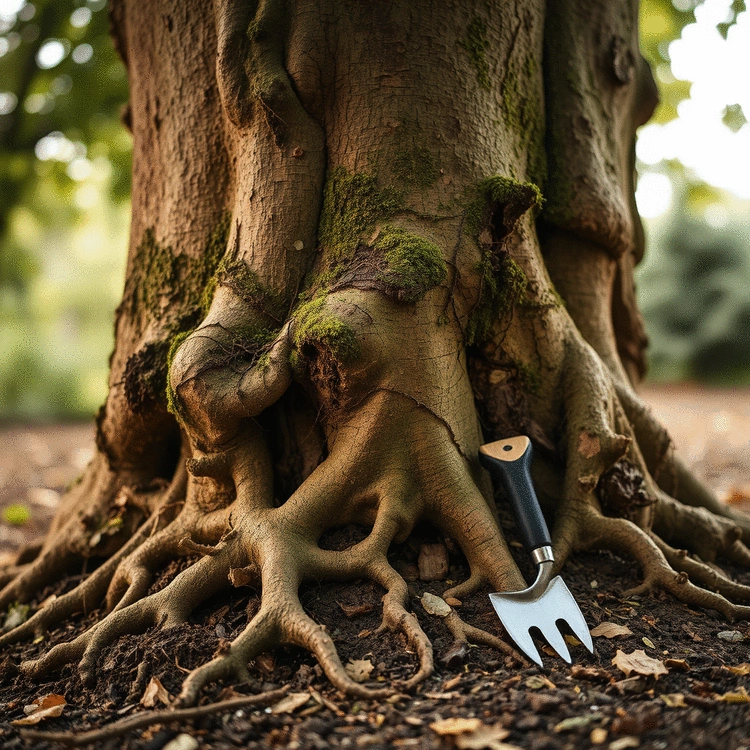
Girdling roots occur when roots start to grow around the trunk of the tree, cutting into the bark and potentially strangling it. This can lead to a host of issues, including restricted nutrient flow and water uptake, which are vital for healthy growth. The implications of ignoring these roots can be severe; trees may become weak and more susceptible to diseases or pests. For proactive strategies, learn more about identifying and preventing root rot.
Additionally, girdling roots can affect a tree's stability, especially during storms or high winds. This instability puts you, your property, and your tree at risk. As someone passionate about soil health, I can't stress enough how important it is to proactively identify and address these issues for the sake of your trees and the surrounding ecosystem.
Recognizing the symptoms of circling roots is the first step to addressing the issue. Look out for these key visual signs:
Each of these symptoms is a red flag that should prompt further investigation. By staying vigilant and monitoring your trees, you can catch these issues early, ensuring a healthier environment for your plants and the community. Remember, a flourishing tree begins at the roots!
Understanding the root causes of circling roots is essential for prevention. Often, these issues stem from planting practices or environmental factors that disrupt healthy root development. As a horticulturist, I’ve witnessed how small changes in care can lead to profound improvements in tree health!
Did you know? Regularly inspecting your tree's root system can prevent circling roots from becoming a significant issue. Consider conducting a root inspection annually, especially after heavy rains or storms, to catch any signs of trouble early. A proactive approach can save you time and effort in the long run, ensuring your trees remain healthy and vibrant!
Understanding the signs of circling roots is essential for maintaining healthy trees. The most common indicators include visible circling roots, a buried root flare, and a thinning canopy, which can lead to serious growth issues. Addressing these signs promptly can help safeguard the overall health of your trees and enhance their resilience.
To effectively tackle circling roots, consider implementing these crucial fixes: root removal, which involves carefully extracting the problematic roots; shaving the roots to encourage healthier growth; and bare-rooting with air or water to revitalize root systems. Each of these methods can be instrumental in restoring the tree’s vitality.
Remember, addressing these concerns early on is key! At Deep Roots Journal, we believe that a proactive approach to tree care can significantly improve their chances of thriving in your garden. For effective root management, explore strategies for pruning tree roots for health.
Want to take your tree care knowledge to the next level? I highly encourage you to download our free annual root check checklist PDF. This handy resource will provide you with practical steps to monitor your trees throughout the year. Staying engaged with your trees not only helps you identify potential issues but also deepens your connection with nature!
In addition to the checklist, we offer a variety of resources on our website to help you better understand tree species, soil health, and root care. Exploring these resources can empower you to make informed decisions and nurture a vibrant garden. For diverse options, consider our tips on selecting trees for your garden.
By engaging with these resources, you’ll be well-equipped to foster a thriving environment for your trees, ensuring they continue to flourish for years to come. Happy gardening!
Here is a quick recap of the important points discussed in the article:
Rowan Thorne
Horticulturist. Environmental advocate. Nature enthusiast.
Rowan Thorne brings years of hands-on experience in botany and root care, sharing practical tips and expert insights to help you nurture a thriving natural environment. Follow along at DeepRootsJournal.com for fresh, inspiring content that deepens your connection to the ecosystem.
Discover the intricate world of tree species, soil health, and root care through our expert insights. We are passionate horticulturists dedicated to helping you cultivate a thriving natural environment.