
Characteristics
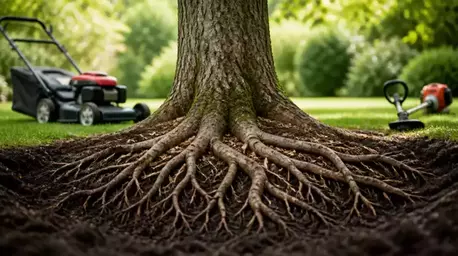
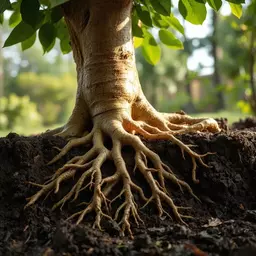
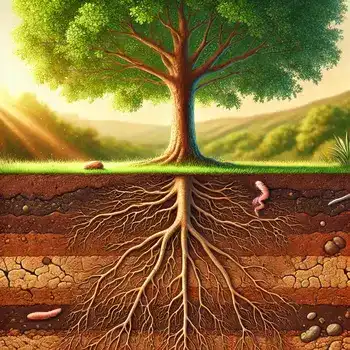
- Deep root systems that access moisture from below
- Waxy or thick leaves that retain water
- Low nutrient requirements, making them easy to care for
2026-04-17
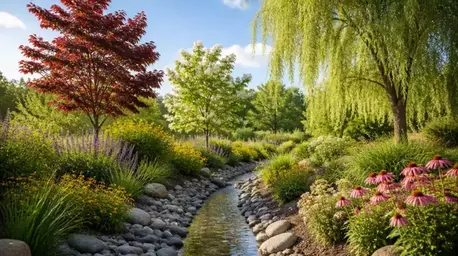
In the pursuit of sustainable landscaping, the choice of trees can make a profound difference. Did you know that selecting the right tree species can significantly reduce water usage while enhancing the beauty of your landscape? By understanding drought-tolerant trees, not only do you contribute to a healthier ecosystem, but you also create a garden that thrives in challenging conditions.
Drought-tolerant trees play an essential role in sustainable landscaping. Below are the key characteristics and benefits that illustrate their importance. For more insights on how to choose the best trees for your garden, explore our guide on selecting trees for your garden.
Integrating drought-tolerant trees in landscaping conserves water and supports a sustainable environment. These trees are essential for adapting to climate variations.
As we dive into sustainable landscaping, it’s essential to understand the role of drought-tolerant trees. These trees are not only resilient but also contribute to a healthier ecosystem. My journey in horticulture has shown me how selecting the right tree species can significantly reduce water usage while enhancing the beauty of our landscapes. It’s exciting to think about how we can create sustainable gardens that thrive even in challenging conditions!
Drought-tolerant trees are specially adapted to survive with minimal water. They typically possess unique features that allow them to withstand dry conditions, such as deeper root systems or smaller leaves that reduce water loss. Recognizing these characteristics can help you make informed choices when planning your landscape.
Some key characteristics of drought-tolerant trees include:
The benefits of incorporating low-water trees into your landscape are numerous! They not only require less irrigation but also help improve soil health and support local wildlife. By choosing these trees, you’re promoting a more sustainable environment that adapts to climate variations. For more information on maintaining the health of your trees, read our article on essential tree care and landscaping.
Furthermore, these trees can serve as effective windbreaks and shade providers, ultimately leading to energy savings for your home or business. It's truly amazing how the right tree can transform a space, making it both eco-friendly and appealing!
Incorporating drought-tolerant trees into your landscaping plays a crucial role in water conservation. As our climate continues to change, it becomes increasingly vital to create landscapes that require less water. By choosing these trees, we contribute to a more sustainable future while preserving our precious water resources.
Consider the positive impacts on both a local and global scale! It’s not just about our gardens—this effort can influence broader environmental health. I encourage you to embrace the idea of water-wise landscaping and make a conscious choice to plant drought-tolerant species in your next gardening project.
A1: Drought-tolerant trees possess specific adaptations such as deep root systems to access water from deeper soil layers, waxy or thick leaves that minimize water loss through transpiration, and low nutrient requirements, enabling them to thrive with minimal water.
A2: The primary benefits include significant water conservation, improved soil health by preventing erosion and enhancing nutrient cycling, provision of essential habitats for local wildlife, and aesthetic enhancement of landscapes with reduced maintenance needs.
A3: Yes, by requiring less frequent and less intensive irrigation, drought-tolerant trees can significantly reduce your water consumption, leading to lower water bills, especially in dry climates or during periods of drought.
A4: Popular examples include Eucalyptus (known for fast growth and aroma), Crepe Myrtle (valued for stunning blooms and vibrant colors), and Olive Trees (offering a Mediterranean aesthetic with minimal water needs).
A5: They conserve water, enrich soil, prevent erosion, and provide food and shelter for various wildlife, thus promoting biodiversity and creating a more resilient and sustainable environment that can better adapt to climate variations.
Here's a brief recap of the key points discussed so far:
As we wrap up our journey through the fascinating world of drought-tolerant trees, it’s crucial to remember their significant impact on sustainable landscaping. Not only do these trees help conserve water, but they also provide essential habitats for wildlife and beautify our gardens with their unique characteristics. By selecting the right tree species, we can create a vibrant ecosystem that thrives even in challenging conditions!
Choosing the right tree for your landscape can be a game-changer. Drought-tolerant trees like the Eucalyptus, Crepe Myrtle, and Olive Tree are not just resilient in the face of heat; they also offer stunning aesthetics that enhance your outdoor space. Each of these species brings its own beauty and functionality, making them perfect for anyone looking to adopt water-wise practices while enjoying a lush environment.
Let’s take a moment to spotlight some of the standout drought-tolerant tree species we've covered. These trees are not only hardy but also versatile, able to thrive in various landscapes:
When we embrace these species, we’re not just planting trees; we’re making a statement about our commitment to sustainability and environmental stewardship. At Deep Roots Journal, we believe that every tree we plant contributes to a healthier ecosystem, making it vital to choose wisely! For additional guidance on selecting the right trees for your specific region, consider exploring selecting trees for your area.
The right tree can elevate the aesthetics of your yard while providing practical benefits. Choosing drought-tolerant trees means less maintenance and lower water bills, which is a win for both your wallet and the environment. Remember, selecting trees that fit your local climate and soil will enhance their survival and longevity.
Moreover, well-chosen trees can reduce the urban heat island effect, improve air quality, and offer shade that cools your home naturally. By investing in the right species, we're paving the way for healthier landscapes that embrace nature's wisdom and resilience.
Incorporating drought-tolerant trees into your landscaping comes with a multitude of benefits:
Overall, integrating these trees into your garden not only creates a beautiful space but fosters an environment where nature can thrive harmoniously. To learn more about how different tree species contribute to soil health, check out our article on tree species and soil health.
As we think about how to move forward, I encourage you to join the water-wise movement! Being responsible stewards of our landscapes is crucial, and it starts with informed decisions about the plants we choose. Let’s work together to promote sustainable practices that not only benefit us today but also future generations.
Ready to dive into your water-wise landscape? Here are some resources to help you plan:
Together, let’s foster a deeper appreciation for our natural environment and make sustainable choices that reflect our commitment to nurturing the earth. The journey doesn’t end here; it’s just the beginning!
When it comes to landscaping, every choice we make matters. By opting for drought-tolerant trees, we contribute to a more resilient ecosystem and reduce our reliance on precious water resources. I invite you to reflect on your own gardening practices and consider how you can make a difference.
As I often say at Deep Roots Journal, understanding the connections between trees, soil, and our overall environment is key to cultivating a thriving landscape. Let’s plant the seeds of sustainability today for a greener tomorrow! Discover more about trees for arid environments and how they can transform your garden.
Here is a quick recap of the important points discussed in the article:
Rowan Thorne
Horticulturist. Environmental advocate. Nature enthusiast.
Rowan Thorne brings years of hands-on experience in botany and root care, sharing practical tips and expert insights to help you nurture a thriving natural environment. Follow along at DeepRootsJournal.com for fresh, inspiring content that deepens your connection to the ecosystem.
Discover the intricate world of tree species, soil health, and root care through our expert insights. We are passionate horticulturists dedicated to helping you cultivate a thriving natural environment.