



- Root Care
- May 13
2026-06-19
Did you know that the unseen world beneath the soil can greatly affect the health of the trees we cherish? Understanding root girdling is crucial for anyone invested in maintaining vibrant, healthy trees. In this article, we delve into the often-overlooked complications caused by girdling roots and how to address them effectively.
Understanding the impact of girdling roots on tree health is essential for maintaining stability and vitality.
When we think about the health of our trees, we often focus on what we can see above ground, but the real story often lies beneath the surface! Root girdling is a significant problem that can jeopardize tree stability and health. At Deep Roots Journal, I aim to shed light on this issue, helping you understand its implications and how to address it effectively.
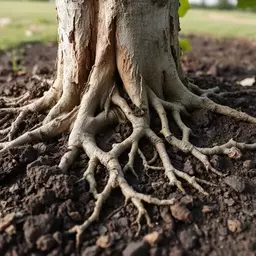
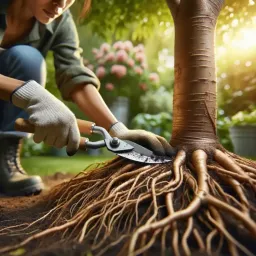
Girdling roots are roots that grow in a circular pattern around the base of a tree, often wrapping tightly around the trunk. This can occur in both young and mature trees and is typically caused by improper planting techniques or poor soil conditions. When these roots tighten around the trunk, they can suffocate and damage the tree, affecting its overall health. For more insights on general tree care, consider reading our guide on essential tree care and landscaping.
As a passionate horticulturist, I’ve seen how these roots can choke the very foundation of our beloved trees! Identifying girdling roots early is crucial to prevent long-term harm. Remember, a tree’s root system plays a vital role in nutrient uptake, so we want to ensure it remains healthy and functional.
When girdling roots restrict the flow of water and nutrients, trees can experience significant stress, leading to wilting leaves, stunted growth, and even tree decline. This not only affects the tree itself but can also impact the surrounding ecosystem, as healthy trees provide habitat and support local wildlife.
If you notice symptoms like yellowing leaves or a lack of new growth, it’s time to investigate! Trees that struggle due to girdling roots can become unstable and more susceptible to pests and diseases. Understanding these effects can empower you to take action and protect your trees. Learn more about deep roots for stable trees and how essential a strong foundation is.
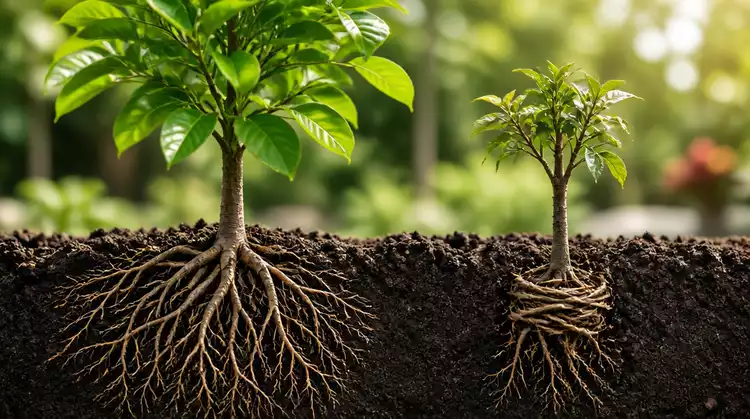
To grasp the issue of girdling roots, it’s essential to understand tree root systems. Trees typically develop a network of roots that spread outwards and downwards, anchoring them firmly in the soil. The root system not only provides stability but also plays a crucial role in water and nutrient absorption.
As we explore trees' anatomy, we begin to see how important it is to maintain a healthy root structure. Strong roots lead to healthy trees, and by being aware of how roots grow, we can take better care of them. It’s all about fostering a thriving environment!
Root density refers to how many roots are present in a given area. High root density can lead to girdling as roots compete for space and resources. When roots become crowded, they may start to coil around each other, creating a girdling effect.
By understanding the relationship between root density and tree health, we can take proactive steps to ensure our trees thrive. Keep an eye on your trees and their root systems to foster a more resilient environment. For additional information on promoting root health, check out our article on encouraging healthy root development.
Did you know? Regularly aerating the soil around your trees can significantly improve root health and reduce the risk of girdling. This practice allows for better water penetration and nutrient absorption, promoting a more robust root system. Consider implementing this simple technique during your tree care routine!
As we wrap up our discussion on root girdling, it's crucial to remember that early detection is vital for maintaining tree health. Girdling roots can lead to serious problems if not identified and addressed promptly. By keeping an eye on your trees and understanding the signs, you can save them from potential decline and ensure they thrive for years to come!
Here’s a quick recap of what we’ve covered regarding root girdling and its impacts:
Recognizing the early signs of girdling roots can be the difference between a healthy tree and one that struggles to survive. Trees are resilient, but they need a little help from us! By staying vigilant and monitoring their growth, we can prevent many issues related to girdling.
When observing your trees, look for:
Each observation can provide valuable information about your tree's health. As a horticulturist, I know firsthand that the earlier we notice these clues, the better chance we have to assist our trees in flourishing.
Taking a proactive approach can save you time and effort in the long run! By implementing a few simple strategies, you can prevent root girdling before it becomes a problem. Here are some key practices to consider:
By following these strategies, you can create an environment that encourages healthy roots and prevents issues like girdling. At Deep Roots Journal, we believe that empowering our community with this knowledge is essential for nurturing a thriving ecosystem.
Embracing proactive tree care can transform your gardening experience! Regular inspections and a solid understanding of tree health can make all the difference in fostering a robust environment for our green friends. Remember, our trees rely on us to provide the best care possible.
Creating a visual checklist can be a simple yet effective tool for homeowners. This way, you can easily assess the health of your trees during routine visits. Consider including:
By keeping this checklist handy, you'll be more equipped to spot any potential issues before they escalate. Trust me, your trees will thank you!
Expanding your knowledge about tree care is essential for anyone wanting to enhance their gardening skills. Here are some fantastic resources to consider:
As you explore these resources, you’ll find a wealth of information that can empower you as a gardener. Understanding the intricate relationships between trees and their roots will ultimately lead to a healthier environment. For more detailed information on preventing specific issues, read about identifying and fixing circling roots.
Now that you have this knowledge at your fingertips, it’s time to take action! Engaging with your local community and professionals can enhance your tree care efforts. Let’s work together to create a thriving urban forest!
Don’t hesitate to connect with local arborists for a professional evaluation of your trees! They can provide expert guidance on how to maintain tree health and address any concerns you may have about root girdling.
Make it a habit to schedule regular health checks—your trees will appreciate the extra attention!
Being part of a community initiative can significantly enhance your gardening practices. Whether it’s a neighborhood tree planting day or a workshop on tree care, these activities foster a sense of responsibility and excitement for our natural environment.
Plus, you’ll meet fellow tree enthusiasts who share your passion!
Finally, dive into urban forestry practices to understand how to manage trees sustainably. By learning about these approaches, you can contribute to a healthier urban ecosystem and ensure that our trees continue to flourish for generations to come. To learn more about selecting the right trees for your specific needs, explore our article on selecting trees for your garden.
As we nurture our trees, we also nurture our communities, creating a beautiful balance in our shared environments.
Here is a quick recap of the important points discussed in the article:
Rowan Thorne
Horticulturist. Environmental advocate. Nature enthusiast.
Rowan Thorne brings years of hands-on experience in botany and root care, sharing practical tips and expert insights to help you nurture a thriving natural environment. Follow along at DeepRootsJournal.com for fresh, inspiring content that deepens your connection to the ecosystem.
Discover the intricate world of tree species, soil health, and root care through our expert insights. We are passionate horticulturists dedicated to helping you cultivate a thriving natural environment.