
Prevent Damage
Root barriers help prevent cracking and buckling of sidewalks and driveways caused by aggressive tree roots.
2026-09-12
Have you ever pondered the unseen forces that drive the growth of trees and the resilience of your outdoor spaces? Understanding how root barriers function can transform your landscaping approach, allowing you to harmonize nature and infrastructure seamlessly.
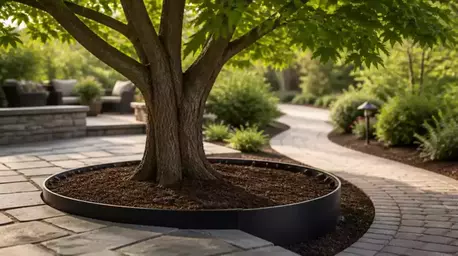
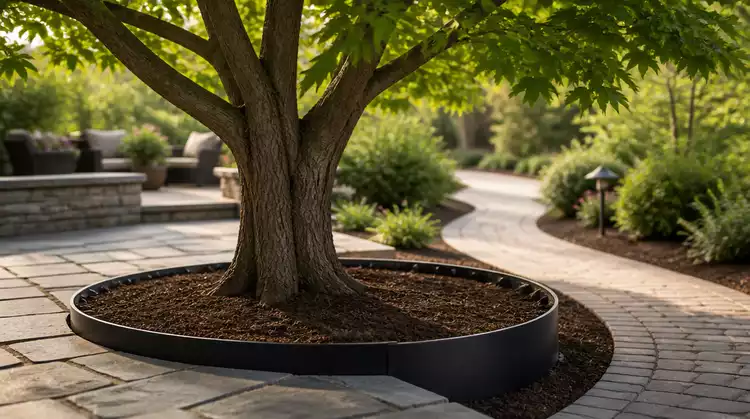
Root barriers play a vital role in protecting hardscapes and ensuring tree health. Here are some essential benefits illustrated below:
Root barriers help prevent cracking and buckling of sidewalks and driveways caused by aggressive tree roots.
By redirecting roots, these barriers encourage healthy growth, allowing trees to seek nutrients and water effectively.
Installing root barriers minimizes the risk of trip hazards created by uneven surfaces in outdoor spaces.
Root barriers contribute to the longevity of sidewalks and roads in urban environments, protecting city aesthetics.
When it comes to landscaping, the concept of root barriers is often overlooked, yet they play a crucial role in maintaining the harmony between trees and hardscapes. Essentially, a root barrier is a physical barrier installed in the soil to redirect tree roots away from structures like sidewalks, patios, and driveways. Their primary purpose is to ensure that trees can thrive without disrupting nearby hardscapes—an essential consideration for anyone aiming to maintain both a beautiful garden and a functional yard. For more insights on how to foster a thriving garden, consider our guide on essential tree care and landscaping.
These barriers can be made from various materials, including plastic and metal, each designed to withstand the forces of nature while effectively guiding root growth. By understanding how root barriers work, you can make informed decisions about the best practices for your landscaping projects. After all, protecting your trees while preserving your hardscapes is a win-win situation!
Root barriers are typically installed vertically in the soil, creating a wall that tree roots cannot penetrate. This allows roots to grow freely in desired directions while preventing them from causing damage to your hardscapes. When considering a root barrier, think of it as a protective shield for both your trees and your landscaping!
By redirecting roots, these barriers help prevent a host of issues, including:
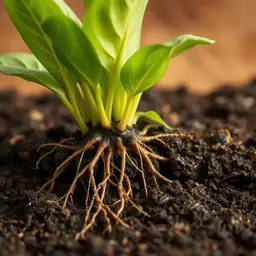
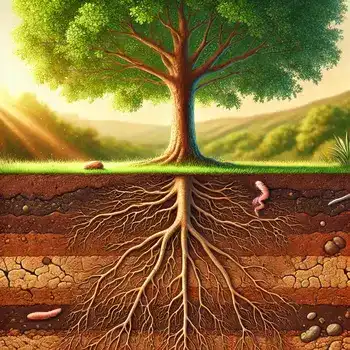
Additionally, root barriers promote healthier tree growth by encouraging roots to explore new areas for nutrients and water. This is a fantastic way to create a balanced ecosystem in your garden! As I often remind my readers at Deep Roots Journal, understanding the intricacies of tree and soil health is vital for nurturing our natural environments, and it can significantly impact how you approach encouraging healthy root development.
Have you ever walked down a neighborhood street and noticed how tree roots can lift sidewalks and patios? That’s an all-too-common sight, and it underscores the importance of utilizing root barriers. These barriers not only protect hardscapes but also save you from costly repairs down the road.
Here’s how root barriers contribute to the longevity of your outdoor spaces:
By proactively installing root barriers, you’re taking an essential step toward safeguarding your investment in landscaping. As you set out on your gardening journey, take note of your hardscapes and how they interact with nearby trees. This awareness can make all the difference!
In urban settings, trees and hardscapes often coexist closely, making root barriers a key component of sustainable landscaping. Urban forestry emphasizes the need for green spaces while also addressing the challenges that come with living in a built environment. In this context, root barriers help maintain a healthy urban ecosystem.
Root barriers play a vital role in urban forestry by:
As we strive to create sustainable urban environments, let’s remember how crucial it is to integrate tree care knowledge into our landscaping practices. By installing root barriers, we not only protect our infrastructure but also enhance the urban canopy—leading to healthier and more beautiful cities for future generations! You can learn more about how to choose the right trees for your specific urban needs in our guide to selecting trees for your area.
Here's a brief recap of the key points discussed so far:
Determining the right depth for a root barrier is crucial to ensure it effectively protects your patio without harming the tree. A good rule of thumb is to install the barrier at a depth of at least 24 to 36 inches. However, factors such as the specific tree species, soil type, and the proximity to the hardscape can influence this depth.
For example, if you are dealing with large trees with aggressive root systems, you might want to go deeper. Here are some key factors to consider:
Choosing the right type of root barrier can make all the difference in protecting your sidewalks from tree roots. Several options are available in the market, each with its own benefits. Here's a breakdown of some popular materials:
When selecting a product, think about your landscaping goals and the specific conditions of your site. Understanding these options can help you make informed choices that align with the mission of Deep Roots Journal—to promote sustainable horticulture practices!
The type of tree you have plays a significant role in the effectiveness of root barriers. Different species exhibit unique growth patterns, which can influence how and where you install these barriers. For instance, fast-growing trees like silver maples may require more robust barriers compared to slower-growing varieties like oaks. You can explore more about different tree types and their needs in our article on selecting trees for your garden.
Here are some considerations when assessing tree species:
By understanding these factors, you can enhance the longevity of both your trees and hardscapes, embodying the principles we advocate for at Deep Roots Journal. It's all about striking that perfect balance!
In summary, root barriers are invaluable tools for preserving both tree health and hardscape integrity. By strategically directing tree roots, we can reduce damage to sidewalks and patios without compromising the vitality of the tree itself. This balance is essential for maintaining a healthy urban forestry environment!
Remember, a well-placed root barrier can ensure trees thrive while safeguarding your investments in hardscapes. It’s all about nurturing our green companions while protecting our built environments!
As you consider your landscaping needs, take the time to assess your specific situation. Think about the types of trees you have, their proximity to hardscapes, and the materials you wish to use for barriers. If this feels overwhelming, don’t hesitate to reach out for professional consultations. For further reading, consider our guide on protecting tree roots in construction to ensure comprehensive care for your trees.
At Deep Roots Journal, we are committed to empowering you with the right knowledge and resources to make informed decisions. Our aim is to help you cultivate a thriving environment where both trees and infrastructure can coexist harmoniously. Let’s make those green spaces work for you!
Here is a quick recap of the important points discussed in the article:
Rowan Thorne
Horticulturist. Environmental advocate. Nature enthusiast.
Rowan Thorne brings years of hands-on experience in botany and root care, sharing practical tips and expert insights to help you nurture a thriving natural environment. Follow along at DeepRootsJournal.com for fresh, inspiring content that deepens your connection to the ecosystem.
Discover the intricate world of tree species, soil health, and root care through our expert insights. We are passionate horticulturists dedicated to helping you cultivate a thriving natural environment.