
Zone 3
- American Larch
- Black Spruce
- Tamarack
2026-05-27
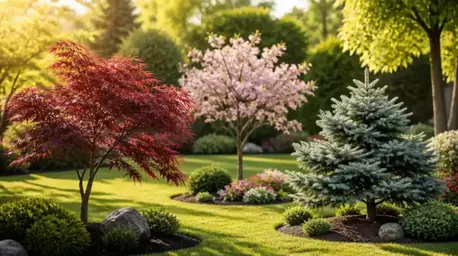
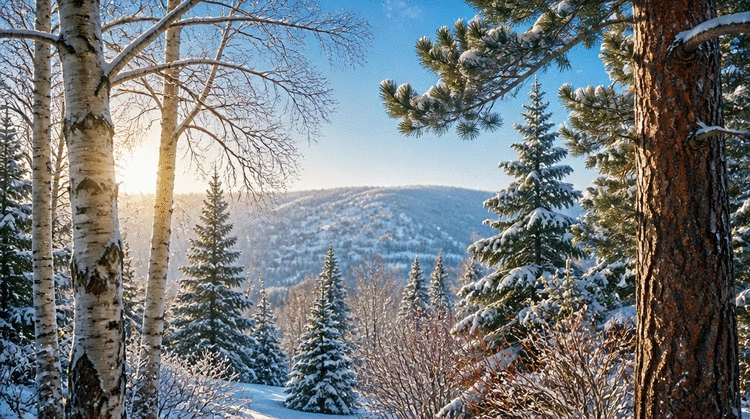
As winter approaches, the right choices in your landscape can make all the difference. Selecting cold-hardy trees not only enhances the beauty of your garden but also ensures that it thrives even in the harshest conditions. What makes these trees special? Let's explore their benefits and why they're essential for your winter garden.
Understanding the USDA hardiness zones paired with suitable cold-hardy tree species can help you select the best trees for your landscape. Below is a visual representation of the recommended trees for various hardiness zones. For more comprehensive guidance on selecting trees for your garden, consider exploring additional resources.
As winter approaches, the importance of choosing cold-hardy trees becomes evident, especially in regions with harsh climates. These resilient species offer numerous benefits, from providing shelter for wildlife to maintaining aesthetic beauty in your landscape. At Deep Roots Journal, we believe that understanding these trees can help you create a thriving environment that withstands the rigors of winter.
Choosing cold-hardy trees is essential for ensuring that your landscape thrives during the winter months. These trees are specifically adapted to survive freezing temperatures and snow cover, allowing them to flourish when other plants struggle. By selecting the right species, you can create a vibrant garden that continues to support local ecosystems even in the harshest conditions.
Moreover, cold-hardy trees contribute to soil health and improve air quality. They act as natural windbreaks and can help reduce energy costs by shielding your home from harsh winds. In essence, these trees are not just beautiful additions; they're vital for sustainable gardening and enhancing your property’s value. Delve deeper into essential tree care and landscaping to maximize these benefits.
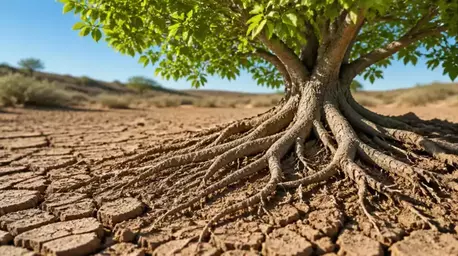
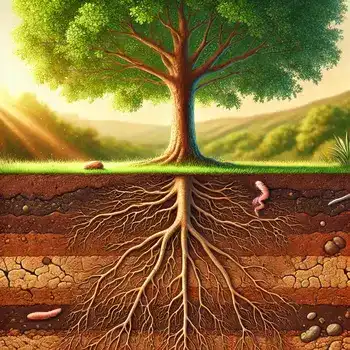
Cold-hardy trees exhibit unique characteristics that enable them to survive in frigid conditions. One of the key traits is their frost tolerance, which allows them to endure freezing temperatures without suffering damage. These species often have deep and robust root systems, providing stability and access to water even when the ground is frozen.
Additionally, cold-hardardy trees are usually adaptable to various soil types, making them versatile for different landscapes. This adaptability means they can thrive in areas with poor drainage or compacted soils, ensuring that you can choose the right species for your specific garden conditions. Understanding these traits allows you to make informed decisions that benefit your landscape.
When it comes to selecting cold-hardy trees for your garden, there are numerous species to consider. Each tree brings its own unique benefits and beauty, ensuring that your landscape is both functional and visually appealing. At Deep Roots Journal, we’ve curated a list of some of the most reliable cold-hardy tree species.
When selecting cold-hardy trees, consider their mature size and growth rate. Opting for native species can also enhance biodiversity in your garden, providing habitat for local wildlife while ensuring that the trees are well-adapted to your specific climate and soil conditions.
When planning your landscape, understanding the USDA hardiness zones is crucial. This map is a valuable tool that categorizes regions based on their climate, specifically the average minimum temperatures. By knowing your zone, you can make informed choices about which trees will thrive in your area’s unique winter conditions.
The USDA hardiness zone map is divided into several zones, each representing a specific temperature range. For example, Zone 3 experiences average winter lows of -30 to -40°F, while Zone 6 ranges from 0 to -10°F. This classification helps gardeners like you select tree species that are best suited to withstand the cold and flourish throughout the seasons.
The USDA hardiness zone map is not just a fancy chart; it plays a vital role in plant survival. It takes into account various factors, including *temperature extremes* and the length of the growing season. When choosing trees for your landscape, consider how these elements affect their growth and overall health. For an in-depth look at this, check out our article on resilient trees for tough soils.
For instance, if you live in a colder zone, you’ll want to select tree species that demonstrate strong *cold hardiness*. This means they have developed traits that enable them to withstand freezing temperatures, ensuring they thrive even in harsh winters. By aligning your choices with the hardiness zones, you can cultivate a resilient landscape that endures the test of time.
Now that we understand the hardiness zones, let’s dive into selecting specific trees that align with each zone. Each zone has its unique characteristics, making it essential to choose wisely. This helps ensure your trees will not only survive but also flourish in your landscape.
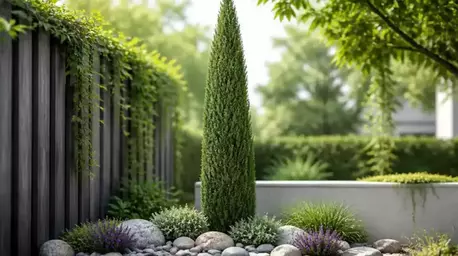
In colder regions, I often recommend trees that are known for their *resilience*. For example, if you’re in Zone 3, the American Larch stands out with its ability to thrive in harsh winters. In contrast, those in warmer zones might explore trees like the White Oak, which is known for its strength and adaptability.
To help you further, let’s take a closer look at some specific tree species that thrive in particular USDA hardiness zones. Knowing which trees are best suited for your area can make a significant difference in the success of your landscaping efforts.
When considering your options, think about not just the aesthetics but also the role each tree will play in your landscape. For example, the Quaking Aspen, cherished for its vibrant fall colors, is perfect for those in Zones 4 and 5. Meanwhile, the robust American Larch is a great match for colder climates, providing both beauty and resilience. For more on creating a thriving environment, explore our guide on encouraging healthy root development.
A: Cold-hardy trees are species specifically adapted to survive and thrive in regions with freezing temperatures and harsh winter conditions. They possess characteristics like frost tolerance and deep root systems.
A: Choosing cold-hardy trees ensures your landscape remains vibrant during winter, supports local wildlife, improves soil health and air quality, acts as a natural windbreak, and can help reduce energy costs.
A: The USDA hardiness zone map is a geographical tool that categorizes regions based on their average annual minimum winter temperatures. It helps gardeners select plants that are most likely to survive in their area's climate.
A: You can find your USDA hardiness zone by entering your zip code on the official USDA Plant Hardiness Zone Map website or by consulting local gardening resources.
A: While it's generally best to stick to your zone, some trees might survive one zone above or below with extra care and protection. However, success is not guaranteed, and it often requires more effort to maintain their health.
A: For Zone 3, consider American Larch or Black Spruce. For Zone 4, Paper Birch and Norway Maple are good choices. Zone 5 can thrive with Sugar Maple and Red Oak, while Zone 6 is suitable for Eastern Red Cedar and White Oak.
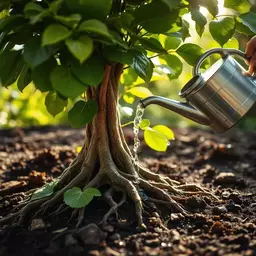
As you plan your landscape, consider visiting Deep Roots Journal for more detailed insights on each species. Remember, selecting the right tree based on your USDA hardiness zone not only enhances your garden's beauty but also ensures the health and vitality of your trees throughout the seasons! To learn more about proper tree care, read our article on watering techniques for tree roots.
Here is a quick recap of the important points discussed in the article:
Rowan Thorne
Horticulturist. Environmental advocate. Nature enthusiast.
Rowan Thorne brings years of hands-on experience in botany and root care, sharing practical tips and expert insights to help you nurture a thriving natural environment. Follow along at DeepRootsJournal.com for fresh, inspiring content that deepens your connection to the ecosystem.
Discover the intricate world of tree species, soil health, and root care through our expert insights. We are passionate horticulturists dedicated to helping you cultivate a thriving natural environment.