

- Root Care
- Oct 11
2026-09-06
Have you ever wandered through a garden and been captivated by the sweet scent of blooming trees? The transformative power of fragrant trees in your landscape design goes beyond mere aesthetics; it creates a sensory haven that invites relaxation and enjoyment. Discover how you can enhance your outdoor space with these aromatic wonders!
Fragrant trees provide various benefits that enhance the overall experience of your garden. Below, we compare key characteristics and advantages of popular fragrant tree species. For more insights on choosing the right trees for your space, explore our guide on selecting trees for your garden.
Creamy white flowers emit a sweet, citrus-like fragrance. Ideal for USDA zones 7 and above.
Delicate pink blooms offer a lovely, short-lived scent in spring.
Known for its intoxicating aroma, especially in the evening.
Produces fragrant flowers and provides ample shade.
Adds visual and olfactory beauty in the spring.
A small tree that offers lovely, bell-shaped flowers with a sweet scent.
Have you ever walked through a garden and been enveloped by a sweet aroma? The allure of fragrant trees can truly transform your landscape, adding not just beauty but a sensory experience. Incorporating these trees into your yard can enhance your outdoor atmosphere, making your garden feel like a peaceful retreat where every breath is infused with nature's perfume.
At Deep Roots Journal, I believe that fragrance plays a crucial role in landscape design. It can evoke memories, create a welcoming ambiance, and even serve practical purposes, like attracting pollinators. Imagine sitting under a flowering tree that releases delightful scents, turning your yard into a fragrant oasis!
When considering the elements of your outdoor space, the scent of trees can significantly impact your enjoyment. Fragrant trees offer a variety of benefits that enhance the overall experience of your garden:
By choosing fragrant tree species, you're not just planting trees; you're crafting an experience that invites you to engage with nature. Have you ever noticed how certain scents can transport you back to a cherished moment? That's the magic of fragrance in your yard! For more on creating inviting landscapes, discover ornamental trees for your yard.
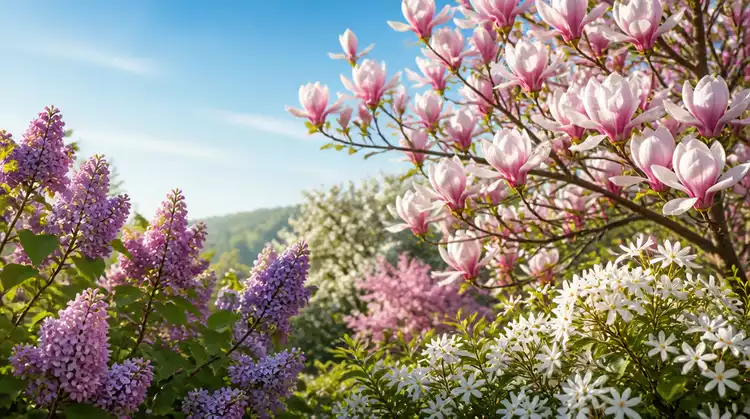
Incorporating scented trees into your landscape design can create a multisensory experience that resonates with all who visit. Trees like magnolias or lilacs provide stunning visuals, not to mention their enchanting scents that waft through the air. These trees can be strategically placed to frame gathering areas, offering a natural backdrop that feels both inviting and tranquil.
Consider planting fragrant trees near patios or walkways to maximize your sensory experience. As you walk by, you’ll be greeted with lovely aromas, enhancing your outdoor gatherings and quiet moments alike. It’s a simple yet effective way to elevate your space!
Another aspect of fragrant trees is their ability to attract essential pollinators, such as bees and butterflies. These creatures are vital to our ecosystem and play a crucial role in the growth of many plants. By choosing trees that produce delightful scents, you can create a haven for these pollinators.
As a gardener passionate about sustainability, I find joy in creating environments that benefit not just my family but also the local wildlife. By thoughtfully selecting fragrant trees, we invite nature into our gardens while enhancing the beauty of our landscapes. Learn more about trees for pollinator-friendly gardens.
When exploring fragrant trees, it's essential to understand their unique characteristics. Different species offer various scent profiles, bloom times, and growth habits. This knowledge will empower you to select the right trees that align with your landscape goals.
Let’s dive deeper into the scent profiles of popular varieties, ensuring you make informed decisions that will enrich your garden’s atmosphere.
Here's a brief recap of the key points discussed so far:
As we dive deeper into the world of fragrant trees, it’s natural to have questions. What should you look for when selecting the perfect tree for your yard? At Deep Roots Journal, we aim to provide clarity on these topics to help you make informed decisions that enhance your outdoor spaces. Here, I’ll address some of the most frequently asked questions regarding fragrant tree selection.
When considering fragrant trees, one of the first questions that often arises is about the most fragrant options available. It’s important to note that the answer can vary based on personal preferences and environmental conditions. However, some trees consistently stand out for their delightful scents!
Another common inquiry surrounds the suitability of fragrant trees for specific USDA zones. For instance, if you’re in USDA Zone 7, you’re in luck! There are several fragrant options that thrive beautifully in this climate, ensuring your landscape remains vibrant and aromatic.
Here are some common questions about incorporating fragrant trees into your landscape:
It’s exciting to think about the impact fragrant trees can have on your outdoor space! When planning the addition of aromatic trees, consider how they can fit into a cohesive landscape design. This is where your vision can truly come to life, as you blend scent with aesthetics to create an inviting atmosphere.
Additionally, I encourage you to think about the biodiversity benefits that come with your fragrant tree choices. By selecting a variety of scented trees and plants, you can create a habitat that attracts beneficial pollinators and enhances the overall health of your garden. For more comprehensive tips on tree care and landscaping, check out our guide on essential tree care and landscaping.
Incorporating aromatic herbs and flowers alongside your fragrant trees can further enrich your landscape. Imagine strolling through your yard, surrounded by the scents of thyme, chamomile, and peony as they mingle with the fragrance of your trees. This thoughtful combination not only heightens the sensory experience but also supports a diverse ecosystem, creating a thriving natural environment.
Now that you have the tools to enhance your landscape with fragrant trees, it’s time to take action! Consider where to find the best cultivars that suit your needs. Local nurseries often carry a wide selection, and they can provide valuable insights on care and maintenance.
While selecting your fragrant trees, remember to consider the specific conditions of your garden. Understanding factors like soil type, sunlight, and moisture levels is crucial for success. Each tree has unique requirements, and matching them with your environment will ensure healthy growth. You can find more information on soil types for tree roots to help with your planting decisions.
As you embark on this journey, seek out local gardening communities or online forums. Engaging with fellow plant enthusiasts not only builds connections but also opens up a treasure trove of tips and tricks to help you along the way. At Deep Roots Journal, I believe that sharing knowledge is key to nurturing our gardens and our environment!
Don’t hesitate to connect with local gardening clubs or social media groups focused on horticulture. These communities are excellent resources for advice, inspiration, and even plant exchanges. We all benefit from sharing our experiences, and together, we can cultivate landscapes that celebrate the beauty of fragrant trees!
Here is a quick recap of the important points discussed in the article:
Rowan Thorne
Horticulturist. Environmental advocate. Nature enthusiast.
Rowan Thorne brings years of hands-on experience in botany and root care, sharing practical tips and expert insights to help you nurture a thriving natural environment. Follow along at DeepRootsJournal.com for fresh, inspiring content that deepens your connection to the ecosystem.
Discover the intricate world of tree species, soil health, and root care through our expert insights. We are passionate horticulturists dedicated to helping you cultivate a thriving natural environment.